World
• Analysis
Giant 12-mile sewage tunnel proposed to stop discharges into Windermere
Plans are under way for a 12-mile (19km) tunnel to carry sewage away from Windermere, England's largest lake, in a £3.6bn project backed by United Utilities, the Environment Agency and local campaigners.
By Haut Monde Post
• October 21, 2026
• 2 Min Read
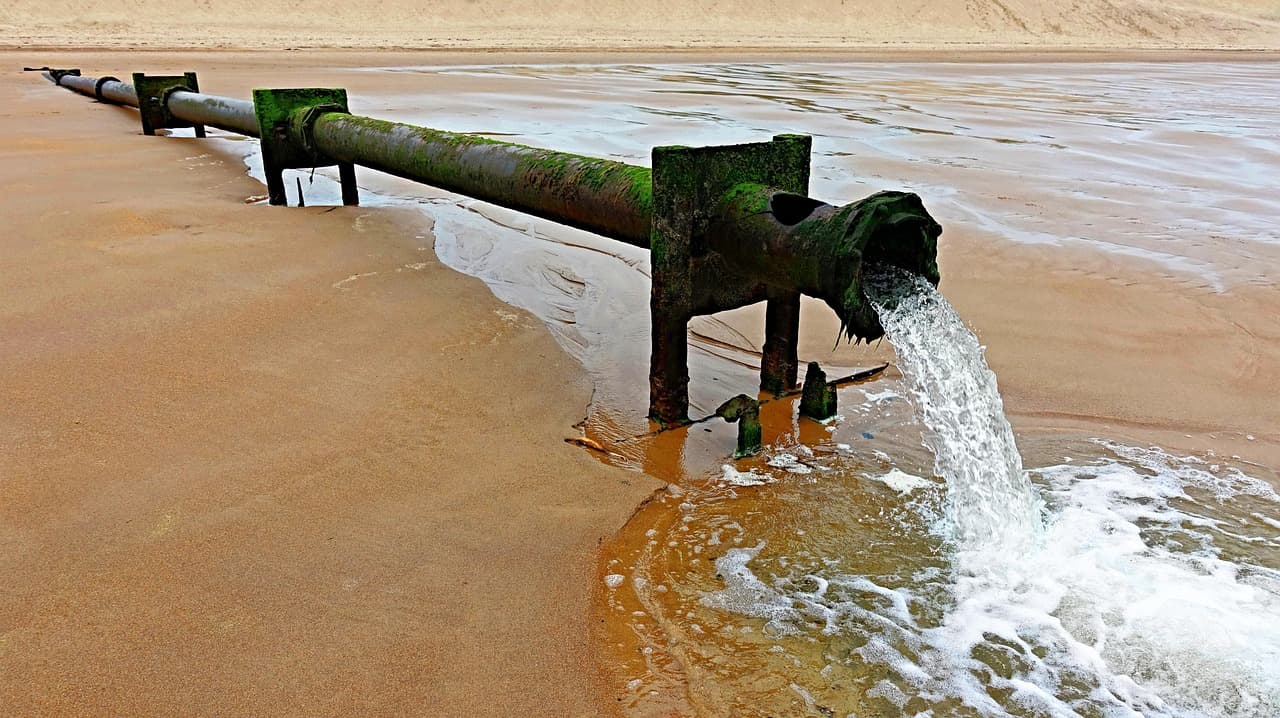
A proposed 12-mile (19km) Windermere sewage tunnel would transport sewage away from the lake, in plans estimated to cost £3.6bn. The scheme has the backing of United Utilities, the Environment Agency and local campaigners, who want an end to discharges into the water.
Why Windermere needs the tunnel
The lake has suffered raw sewage and bacterial pollution from United Utilities discharges. Campaigners say this has driven more frequent toxic blue-green algal blooms, with the public advised to avoid swimming.
- •Windermere sits at the heart of the Lake District Unesco world heritage site and draws an estimated 17.7 million visitors every year.
- •Modelling suggests the climate crisis will bring more intense rainfall to the catchment, adding further pressure on wastewater infrastructure.
Where the sewage would go and what it costs
Under the proposals, treated effluent would be discharged into either the River Leven or the Irish Sea at Ulverston.
- •The project is estimated to cost £3.6bn, and United Utilities will ask the government for permission to raise customer bills to fund it.
- •The company said the programme could add up to £3.17 a month to water bills in 2035.
It added that tunnelling techniques would minimise disruption to local communities.
A campaigner's case, modelled on Lake Annecy
Matt Staniek of the Save Windermere campaign said producing the feasibility report involved weekly meetings over 15 months. He has campaigned for more than five years to end discharges into the lake, and said he was initially concerned about partnering with the polluting company - but that only they could fix it. The team also looked to Lake Annecy in France, widely recognised as one of Europe's cleanest lakes, which faced similar pollution in the 1950s before authorities invested in long-term infrastructure to eliminate discharges.
"This has demonstrated that it is possible not to dump sewage in Lake Windermere."
- Matt Staniek, Save Windermere
What happens next
The project will now enter a detailed design phase expected to take two years, with specialised engineers working out the technicalities of the build. If permission to raise bills is granted, United Utilities said it could be complete within seven years and provide a "one and done" solution with immediate impact. "This is up to the government now. The plan is there, it's in place," Staniek said.