Politics
• Analysis
Jackdaw Gasfield Approval Reframes UK Energy Security Debate
The Jackdaw gasfield, 150 miles east of Aberdeen, has been approved to produce in time for winter, as government data shows oil and gas provided 75% of UK energy in 2025 and about 43% of overall energy was imported last year.
By Haut Monde Post
• October 21, 2026
• 3 Min Read
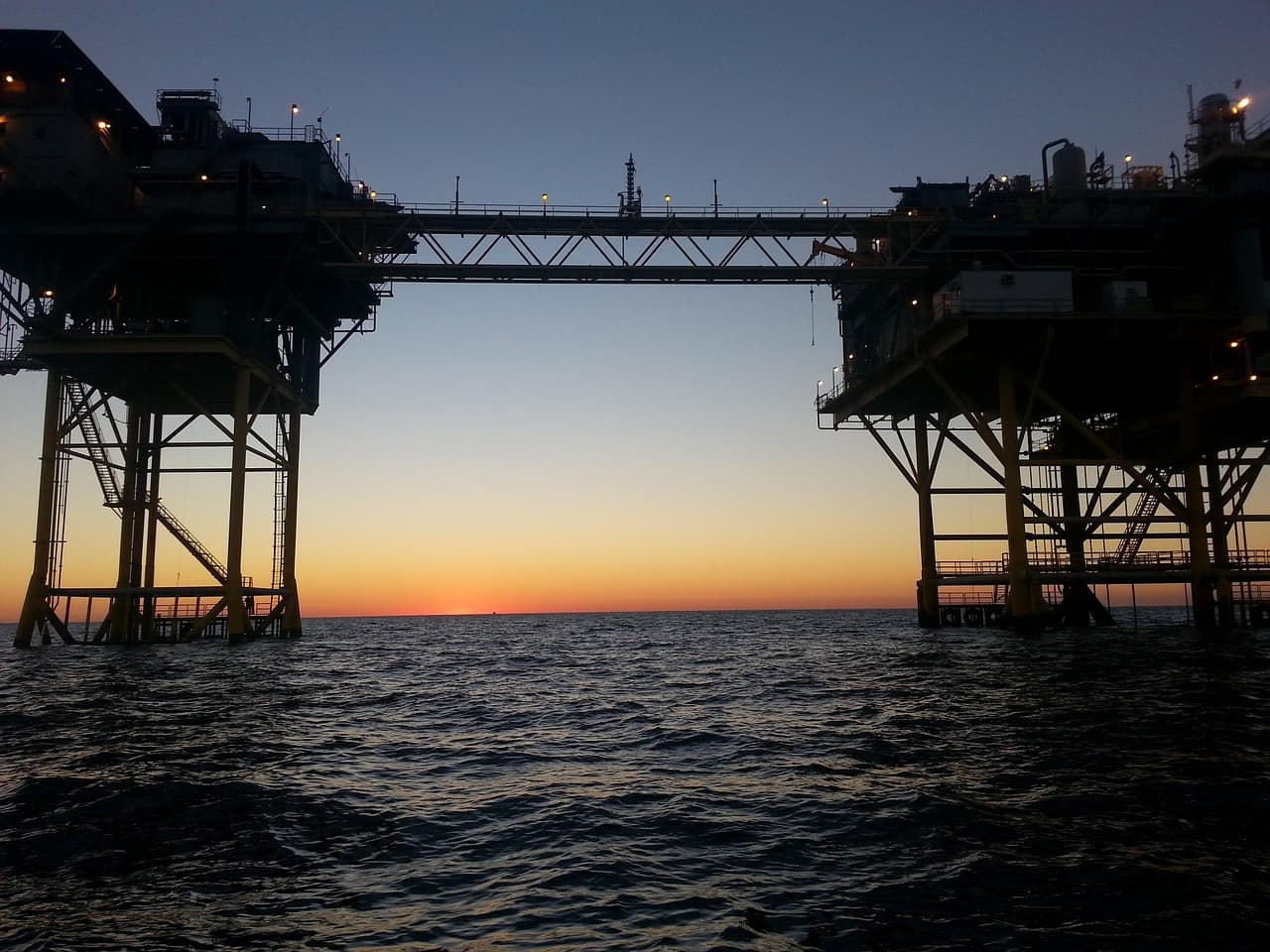
The Jackdaw gasfield approval, confirmed for a field 150 miles east of Aberdeen, will bring gas ashore in time for winter. The decision lands against a backdrop the government itself set out: oil and gas provided 75% of the UK's energy in 2025, and about 43% of overall energy was imported last year even as renewables roll out.
Why the import reliance shapes the call
The numbers behind the UK energy security argument point in one direction: most of the fuel British homes and factories burn arrives from abroad. Gas is the sharpest case. Norway supplied 40% of UK gas consumption last year, chiefly through the 725-mile Langeled pipeline, the primary route for Norwegian supplies. Shipped LNG covered another 20% of gas imports last year, with cargos coming mostly from the United States.
- •Norway supplied 40% of UK gas consumption last year, mainly via the Langeled pipeline
- •LNG cargos made up 20% of UK gas imports, mostly from the US
- •Norway scrapped a planned electricity cable to Scotland in 2023
Norway's willingness to act in its own interest was underlined in 2023, when it scrapped a planned electricity cable to Scotland.
Burnham's case and the slow switch
Prime minister Andy Burnham, in his first fortnight in office, framed the logic directly: "The question isn't whether Britain will still be using oil and gas, the question is, where does it come from?"
The case rests on how slowly the country is moving off fossil fuels. Fewer than 2% of UK households have heat pumps, according to the lobby group Electrify Britain, while 24 million households still have a gas boiler. Nearly 95% of vehicles on the road run on petrol and diesel. For industry, hydrogen and biomethane have barely taken off as alternatives to gas in high-temperature processes.
What Jackdaw delivers and what comes next
Jackdaw is a modest but real addition to domestic supply. At peak it will account for 6% of UK North Sea gas production over the field's lifespan. Even so, on the current trajectory only about a third of UK oil and gas consumption will come from domestic sources on a net basis; offshore lobbyists say boosted production would lift that to about a half.
The wider picture complicates the domestic-supply argument:
- •Tornado, west of the Shetlands, is a possible next tie-back field, and the government said it is asking the regulator to consider urgent cases that could benefit from similar measures
- •Rosebank, also near the Shetlands, is mostly oil, which is more polluting and will produce for longer
- •The UK has four refineries, down from nine at the turn of the century
- •Some, perhaps the majority, of Rosebank's output could return to the UK as refined fuel after processing in Rotterdam or elsewhere in north-west Europe
On the policy side, the government paired the approval with two commitments: a new energy wealth fund will reinvest oil and gas revenues into renewable and low-carbon projects, and energy secretary Miatta Fahnbulleh insisted the commitment to net zero by 2050 was intact. GMB general secretary Gary Smith has argued it was hard for the UK to claim real climate leadership if it was simply off-shoring emissions.
The next step sits with the regulator, which the government is asking to weigh urgent cases such as Tornado that could benefit from measures similar to those applied to Jackdaw.