World
• Analysis
Life on the strait of Hormuz: ferries, fishers and a war that lingers
On Iran's coast along the strait of Hormuz, ferry captain Farouq and other residents of Hormozgan province have kept working through the US-Israeli war on Iran that began on 28 February, even as attacks damaged hundreds of vessels in Bandar Abbas and daily life tightened under a fragile ceasefire.
By Haut Monde Post
• October 21, 2026
• 4 Min Read
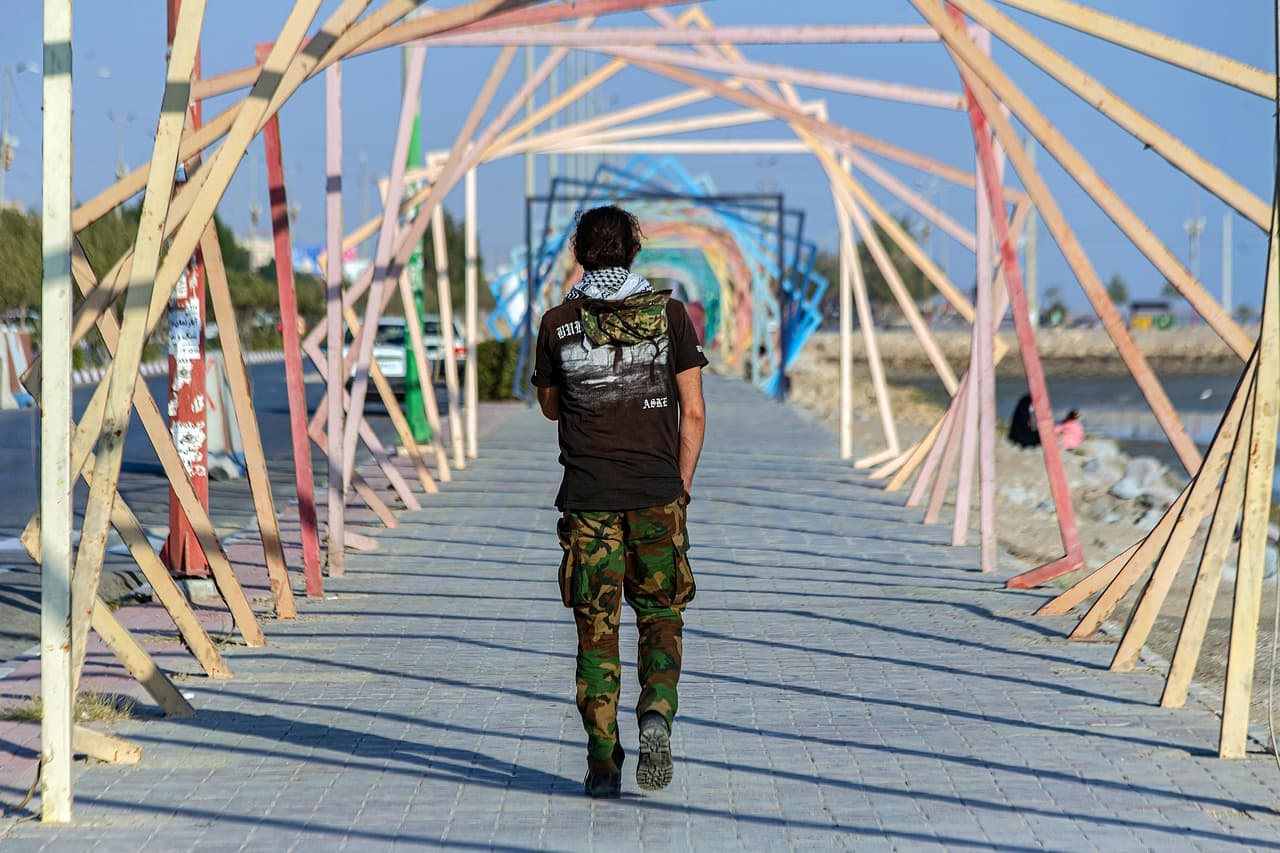
The ferry still runs
Capt Farouq, 39, has spent 18 years ferrying passengers across the strait of Hormuz, a stretch of water he calls his second home. His crossing from Haqqani Port on the Iranian mainland to Hormuz Island takes about half an hour and costs 340,000 toman, roughly £1.
Since the US-Israeli war on Iran began on 28 February, the boats have never stopped running, though Farouq says fewer people travel and the journeys are more dangerous. About 100 passengers were aboard on the night in question, around half capacity. For months he has heard explosions from the strait without being able to tell whether they come from air defence or attacks, or both.
A port under attack
The damage along the coast has been extensive, and it reaches the ferries themselves. Farouq's own vessel was hit by shrapnel while docked at Bandar Abbas port, though it was quickly repaired. According to Iranian government sources, attacks on the southern port have damaged 760 fishing and commercial vessels. The waterway itself remains a target:
- •At least 12 attacks were reported on oil, liquefied natural gas and liquefied petroleum gas tankers in the first week of October alone, pushing oil prices back above $100 a barrel.
- •With pressure mounting on US president Donald Trump before the midterm elections, he is rumoured to be once again considering strikes.
A fragile ceasefire is in place, but on the coast it has barely felt as though the war has stopped.
Livelihoods on hold
Fishers, captains and harbour workers across Hormozgan province all depend on the strait for their income, and the war has made their work increasingly difficult. Iranian fishers cannot venture as far out as before, and many people fled Bandar Abbas early in the fighting. At the city's fish market, 38-year-old Anvar Sadat says business has slowed and several of his colleagues in the city were killed in attacks.
"Fishing boats can't go out as freely as before the war, and our movement is restricted," he says.
The danger reached even those whose work kept them on land. Abdul Salam, a 45-year-old garbage collector, says the beaches near the port were among the most dangerous places at the height of the war, and he stopped working almost entirely.
On Hormuz Island, 45-year-old tour guide Omran says tourism has taken the biggest hit. Guesthouses, homestays, restaurants and many cafes remain closed, and visitors have largely stopped coming.
Staying on the island
Hormuz Island has long been known as a "hippy paradise", a place Iranians regard as "free" that draws artists and creatives from the bigger cities. Yashar, a 35-year-old surfer, says life there has changed little despite some new restrictions and a handful of mostly infrastructure attacks. The government has closed parts of the island's north.
"As long as you don't go north, they leave you alone," he says of the army.
The island's roughly 8,000 residents are trying to support each other and to preserve its sense of freedom. On clear days, from the higher ground, the strait is visible all the way to the mountains of Khasab in Oman, where residents have at times watched the war unfold.
Among those who never considered going anywhere is Khaleh Kaniz, a 67-year-old painter born and raised on the island. Asked in February whether she thought of leaving, she laughed.
"Why should we leave? Where would we go? Our homes and our lives are here."
Tankers remain stranded in the strait and explosions are still heard regularly, yet residents say the war has not driven them from the island.