Business
• Analysis
United Airlines CEO wealth tax call draws rightwing backlash
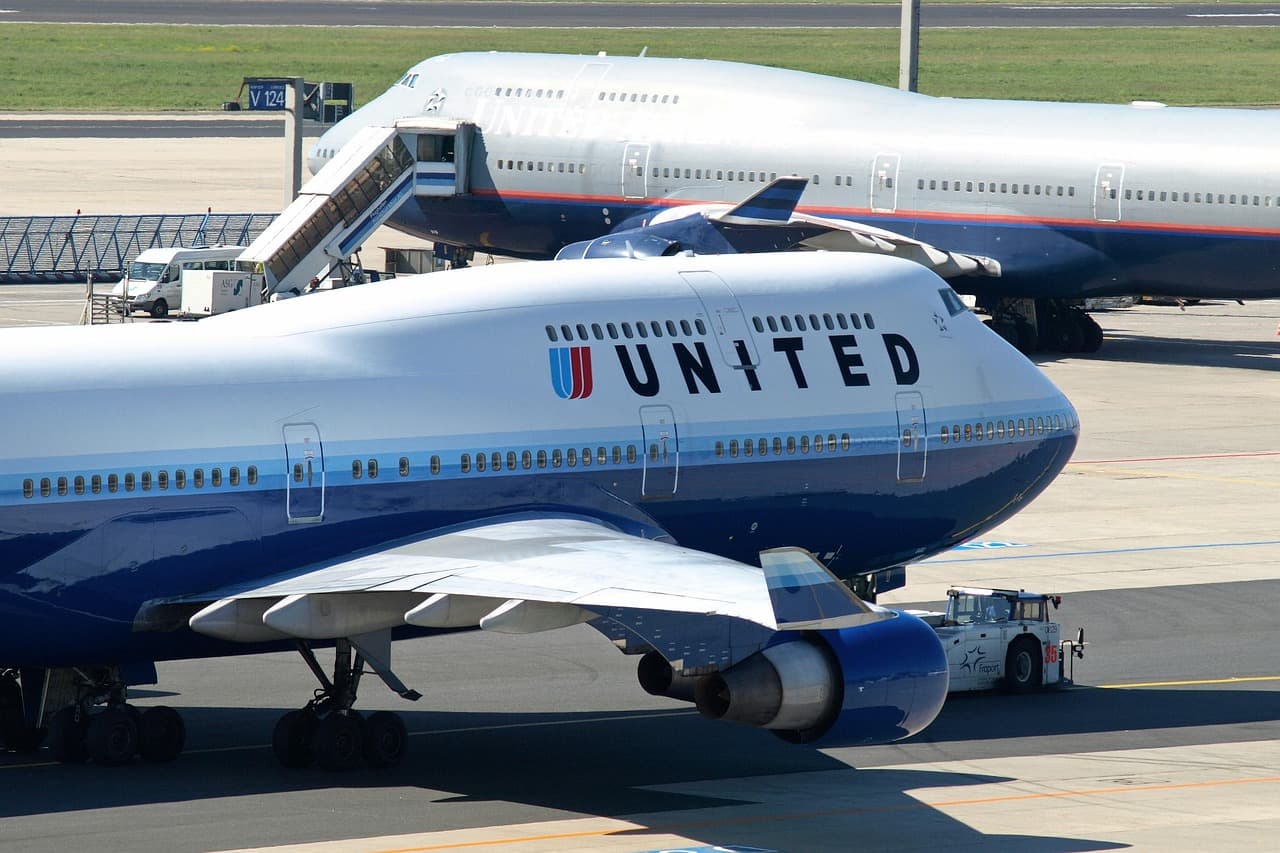
Scott Kirby, chief executive of United Airlines, called for a national wealth tax and near-100% inheritance taxes in a New York Times interview, drawing criticism from conservative politicians and commentators.
By Haut Monde Post
• October 21, 2026
• 2 Min Read
What Kirby proposed
United Airlines chief executive Scott Kirby told the New York Times that the United States should adopt a national wealth tax, arguing that a state-level version would only push wealthy people across state lines.
"We should have a national wealth tax – it won't work by state because people will just move"
Kirby also said inheritance taxes should get close to 100% at some level of wealth, adding that he would pay them himself, and described wealth inequality as a "danger to society".
The conservative reaction
The United Airlines CEO wealth tax comments quickly came under scrutiny from conservative politicians and commentators.
- •Fox Business and the New York Post ran headlines decriying that Kirby made $32m in 2025.
- •Glenn Beck, a former Fox News host, and other X users called for a boycott of United Airlines.
- •Louisiana governor Jeff Landry called the statement "audacious" in a post on X.
Landry wrote that Kirby did not build United and makes $32 million a year, suggesting he "distribute his salary to the employees at the bottom of the ladder @united!". He also challenged Kirby to "place your money where your mouth is", linking to a government donation website.
The California billionaire's tax context
Kirby's comments came as California prepares to vote on a "billionaire's tax" – a 5% tax on the state's billionaires – two weeks after the interview. Wealthy opponents have spent millions fighting the measure.
Kirby on fares and fees
In the same interview, Kirby addressed complaints about high fares this year, saying they were being measured against pandemic-era "artificial low" prices from a period that largely halted travel and disrupted the airline industry.
"We have to charge enough that it covers the cost of flying, and it's expensive to fly airplanes"
United charges non-frequent flyers $70 to choose an aisle or window seat, a fee Kirby defended as charging for the services customers want. "There are customers that pay more that get more", he said.
He maintained that fares remain lower than 2019 levels after inflation adjustment; labor department data show airline fares rose about 20% from September 2019 to September 2026, while overall consumer prices rose 31%.