Wednesday, October 21, 2026

english

HAUT MONDE

POST

World

• Analysis

Europe protests: youth anger over housing and schools spreads across the continent

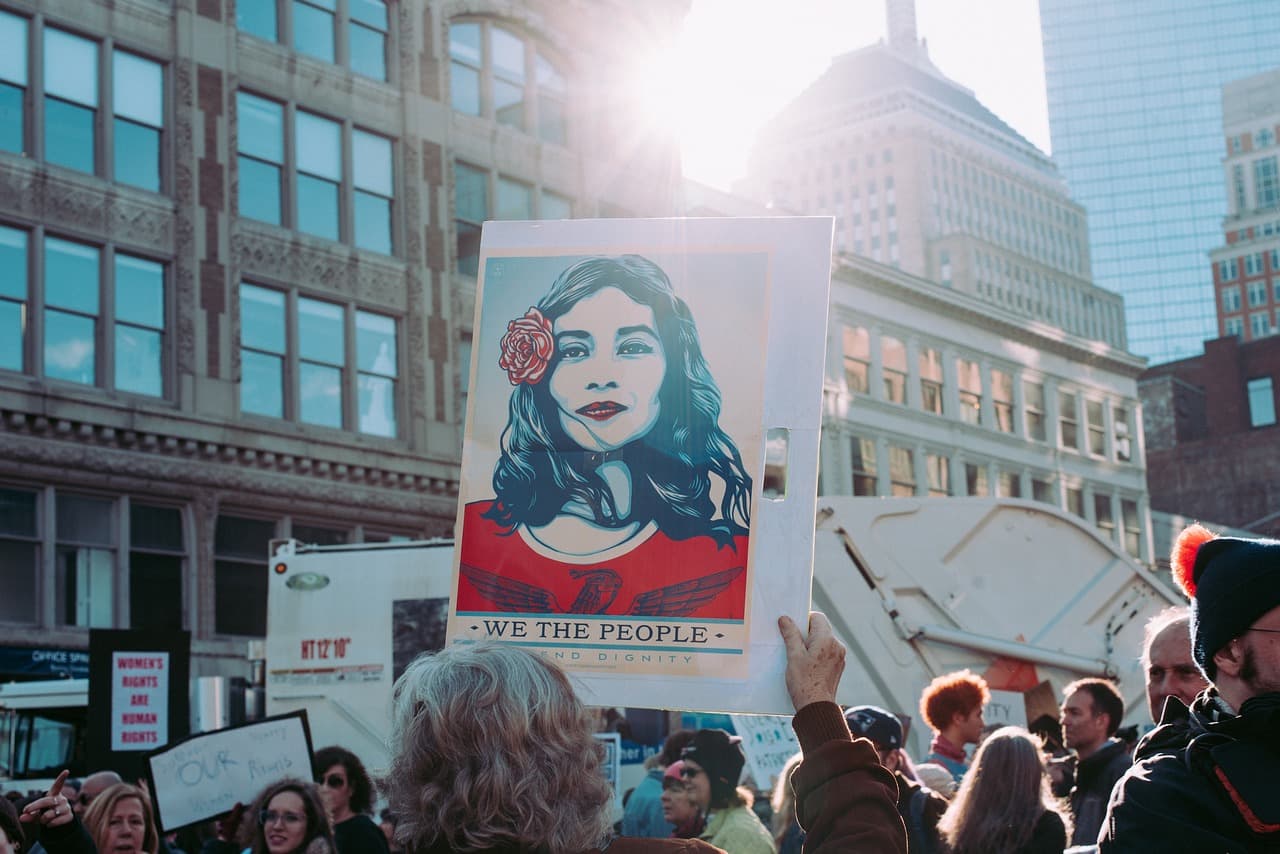
A wave of protests swept across Europe in autumn 2026, beginning with French students and spreading to Spain, Belgium, Italy, Portugal and Albania, as young people rallied against housing costs, living expenses and strained public services.

By Haut Monde Post

• October 21, 2026

• 4 Min Read
Europe protests: youth anger over housing and schools spreads across the continent

Alberto Alemanno, the policy analyst and professor of EU law at HEC business school in Paris, has called the wave of Europe protests the most powerful warning yet from the continent's angry youth. The demonstrations began in France over the state of its schools, spread to tent camps in Spain over housing costs, and have since surfaced in Belgium, Italy, Portugal and Albania.

Where the protests began and spread

In France, it was the piles of wheelie bins stacked up against school entrances that first hinted at the scale of student anger, a signal of classroom conditions and teacher shortages that set the movement in motion. From there the protests travelled south and east, taking a different shape in each country.

  • •In Spain, a tent camp steadily grew in the heart of the capital as residents railed against soaring housing costs.
  • •In Portugal, housing campaigners pitched up in Lisbon's Rossio Square on Saturday, surrounded by banners reading "homeless generation" and "I just want a home to live in", and vowed to stay as long as possible. Porto has seen prices more than double between 2015 and 2024, rising roughly twice as fast as the EU average.
  • •In Italy, people protested the rising cost of living in Milan, a city where an estimated one in 12 people is reportedly a millionaire.
  • •In Albania, a week of mass student demonstrations shook the country, initially prompted by a proposal to build a resort backed by Donald Trump's family, and clashes have convulsed the capital Tirana.

Not one movement, analysts say

Alemanno has pushed back against attempts to cast the unrest as a single pan-European revolt. He said he had received an unprecedented number of calls from right-wing, xenophobic outlets in recent days seeking to frame it that way, a narrative he called misleading.

"The demonstrations have different causes and do not necessarily share political objectives," he wrote, while arguing that their rapid spread shows too many young Europeans doubt existing institutions can deliver security, opportunity and voice.

Mujtaba Rahman, managing director for Europe at Eurasia Group, described the events as a "convergence of distinct national protest movements", each with substantially different triggers, rather than a single coordinated European movement. Arancha González, dean of the Paris School of International Affairs and a former Spanish foreign minister, took a middle position, telling Corriere della Sera: "The reasons are different, but they share the same spark: the breakdown of the social contract".

France's scale and the government's bind

The largest single show of force came in France, where about half a million people turned out for Saturday's protests against the rising cost of living and deteriorating public services, according to coverage of CGT secretary general Sophie Binet's remarks. Binet condemned the violence that has accompanied some demonstrations but said there is only one exit from the crisis. "To get out of the crisis, there is only one way. Respond to the demands," she said.

President Emmanuel Macron said on Sunday that the "unbridled violence" had been carried out by French people, and French officials dismissed any link between the violence and immigration.

Célia Belin, head of the Paris office of the European Council on Foreign Relations, said the government has no answer to the discontent among high-school youth, squeezed by a high deficit and debt-to-GDP ratio and a deadlocked parliament.

What could come next

Alemanno set out what he thinks officials must now do. "They must protect peaceful demonstrators, hold those responsible for criminal acts accountable, and address the underlying pressures," he said, citing housing costs, insecure work, strained public services and an uncertain technological future among those pressures.

And he framed the stakes for the institutions themselves. "Europe's democratic institutions will be judged not by how forcefully they condemn disorder," he said, but by whether they can turn generational anger into tangible political change.

Rahman cautioned that the mismatch between political demands and economic reality is likely to remain and grow over time, pointing to further discontent and protests over the medium term. "This mismatch between political demands and economic reality is likely to remain and grow over time," he said.

The immediate picture on the ground remains unsettled. In Portugal, the campers in Lisbon were dislodged on Tuesday, a move that has led to a fresh call for more housing protests.

HAUT MONDE POST

Independent journalism of the highest standard. A chronicle of world culture, politics, arts, and public thought.

Publication

AboutEditorial

Newsletter

Get the best Haut Monde Post content delivered to your inbox every week.

© 2026 Haut Monde Post. All rights reserved. Digital edition hautmondepost.com.

Wednesday, Oct 21, 2026

english

World

• Analysis

Europe protests: youth anger over housing and schools spreads across the continent

A wave of protests swept across Europe in autumn 2026, beginning with French students and spreading to Spain, Belgium, Italy, Portugal and Albania, as young people rallied against housing costs, living expenses and strained public services.

By Haut Monde Post

Oct 21, 2026 • 4 Min Read

Europe protests: youth anger over housing and schools spreads across the continent

Alberto Alemanno, the policy analyst and professor of EU law at HEC business school in Paris, has called the wave of Europe protests the most powerful warning yet from the continent's angry youth. The demonstrations began in France over the state of its schools, spread to tent camps in Spain over housing costs, and have since surfaced in Belgium, Italy, Portugal and Albania.

Where the protests began and spread

In France, it was the piles of wheelie bins stacked up against school entrances that first hinted at the scale of student anger, a signal of classroom conditions and teacher shortages that set the movement in motion. From there the protests travelled south and east, taking a different shape in each country.

  • •In Spain, a tent camp steadily grew in the heart of the capital as residents railed against soaring housing costs.
  • •In Portugal, housing campaigners pitched up in Lisbon's Rossio Square on Saturday, surrounded by banners reading "homeless generation" and "I just want a home to live in", and vowed to stay as long as possible. Porto has seen prices more than double between 2015 and 2024, rising roughly twice as fast as the EU average.
  • •In Italy, people protested the rising cost of living in Milan, a city where an estimated one in 12 people is reportedly a millionaire.
  • •In Albania, a week of mass student demonstrations shook the country, initially prompted by a proposal to build a resort backed by Donald Trump's family, and clashes have convulsed the capital Tirana.

Not one movement, analysts say

Alemanno has pushed back against attempts to cast the unrest as a single pan-European revolt. He said he had received an unprecedented number of calls from right-wing, xenophobic outlets in recent days seeking to frame it that way, a narrative he called misleading.

"The demonstrations have different causes and do not necessarily share political objectives," he wrote, while arguing that their rapid spread shows too many young Europeans doubt existing institutions can deliver security, opportunity and voice.

Mujtaba Rahman, managing director for Europe at Eurasia Group, described the events as a "convergence of distinct national protest movements", each with substantially different triggers, rather than a single coordinated European movement. Arancha González, dean of the Paris School of International Affairs and a former Spanish foreign minister, took a middle position, telling Corriere della Sera: "The reasons are different, but they share the same spark: the breakdown of the social contract".

France's scale and the government's bind

The largest single show of force came in France, where about half a million people turned out for Saturday's protests against the rising cost of living and deteriorating public services, according to coverage of CGT secretary general Sophie Binet's remarks. Binet condemned the violence that has accompanied some demonstrations but said there is only one exit from the crisis. "To get out of the crisis, there is only one way. Respond to the demands," she said.

President Emmanuel Macron said on Sunday that the "unbridled violence" had been carried out by French people, and French officials dismissed any link between the violence and immigration.

Célia Belin, head of the Paris office of the European Council on Foreign Relations, said the government has no answer to the discontent among high-school youth, squeezed by a high deficit and debt-to-GDP ratio and a deadlocked parliament.

What could come next

Alemanno set out what he thinks officials must now do. "They must protect peaceful demonstrators, hold those responsible for criminal acts accountable, and address the underlying pressures," he said, citing housing costs, insecure work, strained public services and an uncertain technological future among those pressures.

And he framed the stakes for the institutions themselves. "Europe's democratic institutions will be judged not by how forcefully they condemn disorder," he said, but by whether they can turn generational anger into tangible political change.

Rahman cautioned that the mismatch between political demands and economic reality is likely to remain and grow over time, pointing to further discontent and protests over the medium term. "This mismatch between political demands and economic reality is likely to remain and grow over time," he said.

The immediate picture on the ground remains unsettled. In Portugal, the campers in Lisbon were dislodged on Tuesday, a move that has led to a fresh call for more housing protests.
HAUT MONDE POST

Independent journalism of the highest standard. A chronicle of world culture, politics, arts, and public thought. Published and printed daily in Paris, France.

Publication

AboutEditorial

Newsletter

Get the best Haut Monde Post content delivered to your inbox every week.

© 2026 Haut Monde Post. All rights reserved. Digital edition hautmondepost.com. Published in Paris.

Wednesday, Oct 21, 2026

english

World

• Analysis

Europe protests: youth anger over housing and schools spreads across the continent

A wave of protests swept across Europe in autumn 2026, beginning with French students and spreading to Spain, Belgium, Italy, Portugal and Albania, as young people rallied against housing costs, living expenses and strained public services.

By Haut Monde Post

Oct 21, 2026 • 4 Min Read

Europe protests: youth anger over housing and schools spreads across the continent

Alberto Alemanno, the policy analyst and professor of EU law at HEC business school in Paris, has called the wave of Europe protests the most powerful warning yet from the continent's angry youth. The demonstrations began in France over the state of its schools, spread to tent camps in Spain over housing costs, and have since surfaced in Belgium, Italy, Portugal and Albania.

Where the protests began and spread

In France, it was the piles of wheelie bins stacked up against school entrances that first hinted at the scale of student anger, a signal of classroom conditions and teacher shortages that set the movement in motion. From there the protests travelled south and east, taking a different shape in each country.

  • •In Spain, a tent camp steadily grew in the heart of the capital as residents railed against soaring housing costs.
  • •In Portugal, housing campaigners pitched up in Lisbon's Rossio Square on Saturday, surrounded by banners reading "homeless generation" and "I just want a home to live in", and vowed to stay as long as possible. Porto has seen prices more than double between 2015 and 2024, rising roughly twice as fast as the EU average.
  • •In Italy, people protested the rising cost of living in Milan, a city where an estimated one in 12 people is reportedly a millionaire.
  • •In Albania, a week of mass student demonstrations shook the country, initially prompted by a proposal to build a resort backed by Donald Trump's family, and clashes have convulsed the capital Tirana.

Not one movement, analysts say

Alemanno has pushed back against attempts to cast the unrest as a single pan-European revolt. He said he had received an unprecedented number of calls from right-wing, xenophobic outlets in recent days seeking to frame it that way, a narrative he called misleading.

"The demonstrations have different causes and do not necessarily share political objectives," he wrote, while arguing that their rapid spread shows too many young Europeans doubt existing institutions can deliver security, opportunity and voice.

Mujtaba Rahman, managing director for Europe at Eurasia Group, described the events as a "convergence of distinct national protest movements", each with substantially different triggers, rather than a single coordinated European movement. Arancha González, dean of the Paris School of International Affairs and a former Spanish foreign minister, took a middle position, telling Corriere della Sera: "The reasons are different, but they share the same spark: the breakdown of the social contract".

France's scale and the government's bind

The largest single show of force came in France, where about half a million people turned out for Saturday's protests against the rising cost of living and deteriorating public services, according to coverage of CGT secretary general Sophie Binet's remarks. Binet condemned the violence that has accompanied some demonstrations but said there is only one exit from the crisis. "To get out of the crisis, there is only one way. Respond to the demands," she said.

President Emmanuel Macron said on Sunday that the "unbridled violence" had been carried out by French people, and French officials dismissed any link between the violence and immigration.

Célia Belin, head of the Paris office of the European Council on Foreign Relations, said the government has no answer to the discontent among high-school youth, squeezed by a high deficit and debt-to-GDP ratio and a deadlocked parliament.

What could come next

Alemanno set out what he thinks officials must now do. "They must protect peaceful demonstrators, hold those responsible for criminal acts accountable, and address the underlying pressures," he said, citing housing costs, insecure work, strained public services and an uncertain technological future among those pressures.

And he framed the stakes for the institutions themselves. "Europe's democratic institutions will be judged not by how forcefully they condemn disorder," he said, but by whether they can turn generational anger into tangible political change.

Rahman cautioned that the mismatch between political demands and economic reality is likely to remain and grow over time, pointing to further discontent and protests over the medium term. "This mismatch between political demands and economic reality is likely to remain and grow over time," he said.

The immediate picture on the ground remains unsettled. In Portugal, the campers in Lisbon were dislodged on Tuesday, a move that has led to a fresh call for more housing protests.