Saturday, October 24, 2026

english

HAUT MONDE

POST

World

• Analysis

US Israel Iran Strikes Warning Issued by Eight-Country Istanbul Summit

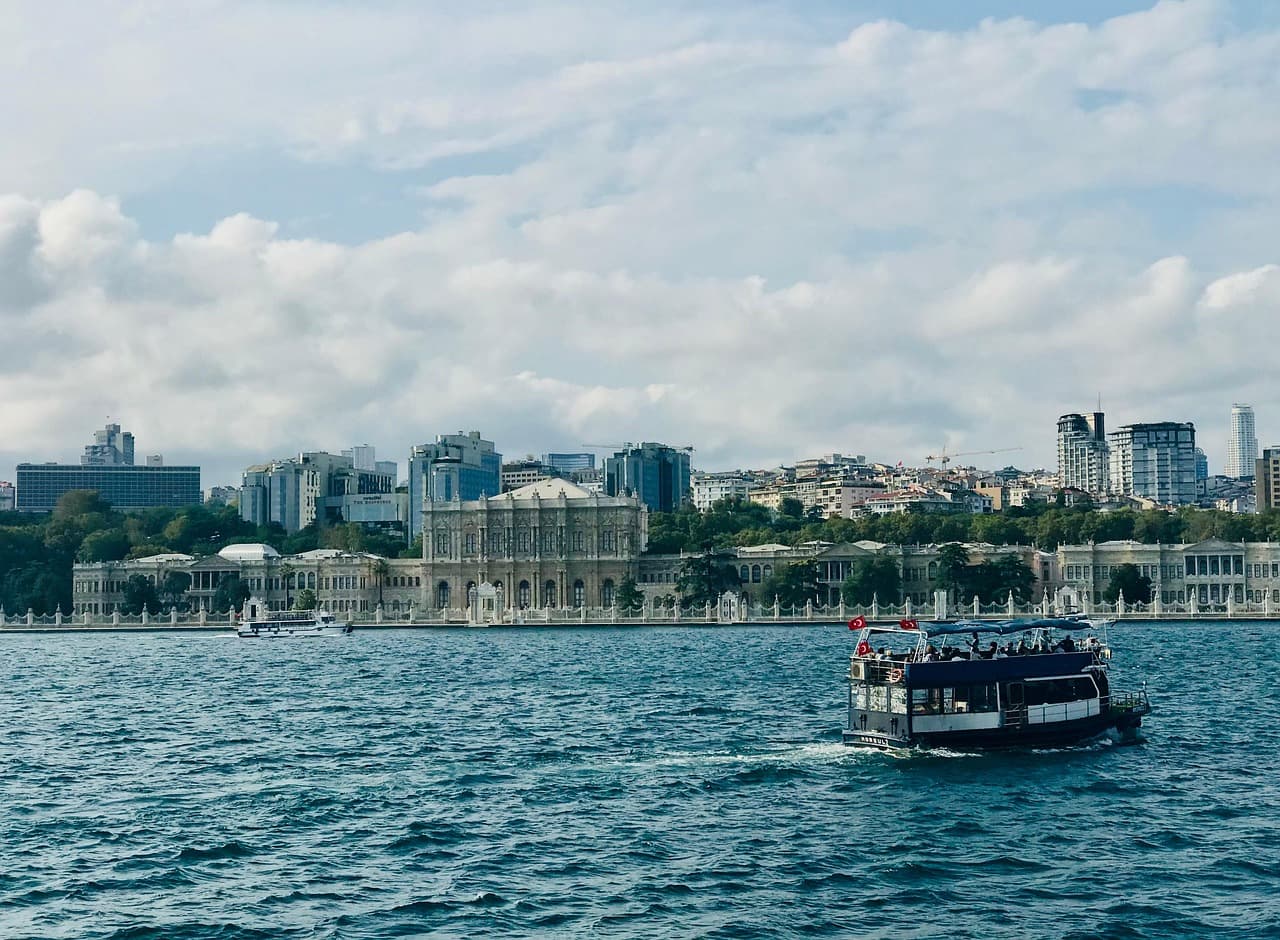
Foreign ministers meeting in Istanbul urged the US and Israel not to renew their attacks on Iran, warning that a fresh outbreak of fighting would spread conflict and push oil prices higher. The summit was jointly convened by Turkey.

By Haut Monde Post

• October 23, 2026

• 3 Min Read
US Israel Iran Strikes Warning Issued by Eight-Country Istanbul Summit

An 'anti-war bloc' takes shape

The gathering in Istanbul brought together regional and European leaders in what organisers describe as an unprecedented meeting, initiated by Turkey and Germany. It gave European ministers a rare chance to weigh in on Middle East crises including Yemen, Palestine and Iran at a moment when nuclear talks with Tehran are deadlocked.

The warning against renewed US Israel Iran strikes came from what the summit represents: a new multinational "anti-war bloc" running against the increasingly open plans in Washington and Jerusalem to relaunch strikes. The Turkish foreign minister, Hakan Fidan, a joint convener, said military intervention in Iran is not any kind of solution, and that every country at the table agreed a fresh attack would only widen the war and its conflict.

Ministers demand Hormuz opening and end to Houthi assaults

Beyond the warning against renewed strikes, the ministers turned to two concrete demands tied to the strait of Hormuz blockade and the region's shipping routes.

Who was at the table

The Middle Eastern side was represented by Hakan Fidan of Turkey, Egypt's Badr Abdelatty, Pakistan's Ishaq Dar and Saudi Arabia's Faisal bin Farhan. The European ministers present were Jean-Noël Barrot of France, Ed Miliband of the UK, Germany's Johann Wadephul and Italy's Antonio Tajani.

Several of the regional attendees are already linked by a security arrangement: Pakistan, Turkey and Saudi Arabia formed the Mecca defensive security pact in August, a grouping Egypt may join.

European voices urge diplomacy

For European ministers, the Istanbul summit marked a departure from a largely bystander role. Their one earlier involvement was sending air force protection to Saudi Arabia, which has been trying to fend off Houthi drone and missile assaults on its airports and energy installations.

The French foreign minister, Jean-Noël Barrot, argued a fresh war between Iran and the US would serve neither country and would drive oil prices still higher, which have hit their highest level since May. Miliband likewise urged both sides to embrace diplomacy.

Wadephul pointed to what binds the eight governments together: the damage that frozen conflicts inflict on their economies and security, and a shared readiness to look for fresh answers. While levelling no criticism at Washington, he charged that Iran and the Houthis are holding world trade to ransom and keeping a stranglehold on global energy and fertiliser supplies.

Tajani said the aim of the meeting was de-escalation to guarantee freedom of navigation, adding that the problem cannot be solved purely militarily.

"If we want to reopen Hormuz, which is vital for our economies, we must promote dialogue and make Iran understand that this attitude cannot continue."

Those were the words of the Italian minister Antonio Tajani, whose stated aim of de-escalation and dialogue to reopen the strait stood alongside the ministers' demands as the summit's concrete agenda.

HAUT MONDE POST

Independent journalism of the highest standard. A chronicle of world culture, politics, arts, and public thought.

Publication

AboutEditorial

Newsletter

Get the best Haut Monde Post content delivered to your inbox every week.

© 2026 Haut Monde Post. All rights reserved. Digital edition hautmondepost.com.

Saturday, Oct 24, 2026

english

World

• Analysis

US Israel Iran Strikes Warning Issued by Eight-Country Istanbul Summit

Foreign ministers meeting in Istanbul urged the US and Israel not to renew their attacks on Iran, warning that a fresh outbreak of fighting would spread conflict and push oil prices higher. The summit was jointly convened by Turkey.

By Haut Monde Post

Oct 23, 2026 • 3 Min Read

US Israel Iran Strikes Warning Issued by Eight-Country Istanbul Summit

An 'anti-war bloc' takes shape

The gathering in Istanbul brought together regional and European leaders in what organisers describe as an unprecedented meeting, initiated by Turkey and Germany. It gave European ministers a rare chance to weigh in on Middle East crises including Yemen, Palestine and Iran at a moment when nuclear talks with Tehran are deadlocked.

The warning against renewed US Israel Iran strikes came from what the summit represents: a new multinational "anti-war bloc" running against the increasingly open plans in Washington and Jerusalem to relaunch strikes. The Turkish foreign minister, Hakan Fidan, a joint convener, said military intervention in Iran is not any kind of solution, and that every country at the table agreed a fresh attack would only widen the war and its conflict.

Ministers demand Hormuz opening and end to Houthi assaults

Beyond the warning against renewed strikes, the ministers turned to two concrete demands tied to the strait of Hormuz blockade and the region's shipping routes.

Who was at the table

The Middle Eastern side was represented by Hakan Fidan of Turkey, Egypt's Badr Abdelatty, Pakistan's Ishaq Dar and Saudi Arabia's Faisal bin Farhan. The European ministers present were Jean-Noël Barrot of France, Ed Miliband of the UK, Germany's Johann Wadephul and Italy's Antonio Tajani.

Several of the regional attendees are already linked by a security arrangement: Pakistan, Turkey and Saudi Arabia formed the Mecca defensive security pact in August, a grouping Egypt may join.

European voices urge diplomacy

For European ministers, the Istanbul summit marked a departure from a largely bystander role. Their one earlier involvement was sending air force protection to Saudi Arabia, which has been trying to fend off Houthi drone and missile assaults on its airports and energy installations.

The French foreign minister, Jean-Noël Barrot, argued a fresh war between Iran and the US would serve neither country and would drive oil prices still higher, which have hit their highest level since May. Miliband likewise urged both sides to embrace diplomacy.

Wadephul pointed to what binds the eight governments together: the damage that frozen conflicts inflict on their economies and security, and a shared readiness to look for fresh answers. While levelling no criticism at Washington, he charged that Iran and the Houthis are holding world trade to ransom and keeping a stranglehold on global energy and fertiliser supplies.

Tajani said the aim of the meeting was de-escalation to guarantee freedom of navigation, adding that the problem cannot be solved purely militarily.

"If we want to reopen Hormuz, which is vital for our economies, we must promote dialogue and make Iran understand that this attitude cannot continue."

Those were the words of the Italian minister Antonio Tajani, whose stated aim of de-escalation and dialogue to reopen the strait stood alongside the ministers' demands as the summit's concrete agenda.
HAUT MONDE POST

Independent journalism of the highest standard. A chronicle of world culture, politics, arts, and public thought. Published and printed daily in Paris, France.

Publication

AboutEditorial

Newsletter

Get the best Haut Monde Post content delivered to your inbox every week.

© 2026 Haut Monde Post. All rights reserved. Digital edition hautmondepost.com. Published in Paris.

Saturday, Oct 24, 2026

english

World

• Analysis

US Israel Iran Strikes Warning Issued by Eight-Country Istanbul Summit

Foreign ministers meeting in Istanbul urged the US and Israel not to renew their attacks on Iran, warning that a fresh outbreak of fighting would spread conflict and push oil prices higher. The summit was jointly convened by Turkey.

By Haut Monde Post

Oct 23, 2026 • 3 Min Read

US Israel Iran Strikes Warning Issued by Eight-Country Istanbul Summit

An 'anti-war bloc' takes shape

The gathering in Istanbul brought together regional and European leaders in what organisers describe as an unprecedented meeting, initiated by Turkey and Germany. It gave European ministers a rare chance to weigh in on Middle East crises including Yemen, Palestine and Iran at a moment when nuclear talks with Tehran are deadlocked.

The warning against renewed US Israel Iran strikes came from what the summit represents: a new multinational "anti-war bloc" running against the increasingly open plans in Washington and Jerusalem to relaunch strikes. The Turkish foreign minister, Hakan Fidan, a joint convener, said military intervention in Iran is not any kind of solution, and that every country at the table agreed a fresh attack would only widen the war and its conflict.

Ministers demand Hormuz opening and end to Houthi assaults

Beyond the warning against renewed strikes, the ministers turned to two concrete demands tied to the strait of Hormuz blockade and the region's shipping routes.

Who was at the table

The Middle Eastern side was represented by Hakan Fidan of Turkey, Egypt's Badr Abdelatty, Pakistan's Ishaq Dar and Saudi Arabia's Faisal bin Farhan. The European ministers present were Jean-Noël Barrot of France, Ed Miliband of the UK, Germany's Johann Wadephul and Italy's Antonio Tajani.

Several of the regional attendees are already linked by a security arrangement: Pakistan, Turkey and Saudi Arabia formed the Mecca defensive security pact in August, a grouping Egypt may join.

European voices urge diplomacy

For European ministers, the Istanbul summit marked a departure from a largely bystander role. Their one earlier involvement was sending air force protection to Saudi Arabia, which has been trying to fend off Houthi drone and missile assaults on its airports and energy installations.

The French foreign minister, Jean-Noël Barrot, argued a fresh war between Iran and the US would serve neither country and would drive oil prices still higher, which have hit their highest level since May. Miliband likewise urged both sides to embrace diplomacy.

Wadephul pointed to what binds the eight governments together: the damage that frozen conflicts inflict on their economies and security, and a shared readiness to look for fresh answers. While levelling no criticism at Washington, he charged that Iran and the Houthis are holding world trade to ransom and keeping a stranglehold on global energy and fertiliser supplies.

Tajani said the aim of the meeting was de-escalation to guarantee freedom of navigation, adding that the problem cannot be solved purely militarily.

"If we want to reopen Hormuz, which is vital for our economies, we must promote dialogue and make Iran understand that this attitude cannot continue."

Those were the words of the Italian minister Antonio Tajani, whose stated aim of de-escalation and dialogue to reopen the strait stood alongside the ministers' demands as the summit's concrete agenda.