World
• Analysis
Settler attacks on West Bank olive groves turn to social media calls - and keffiyehs
During the West Bank olive harvest 2026, settlers have posted social media invitations to pick Palestinian olives, while a Palestinian village leader says some settler attacks on West Bank olive groves were carried out by attackers wearing keffiyehs.
By Haut Monde Post
• October 23, 2026
• 4 Min Read
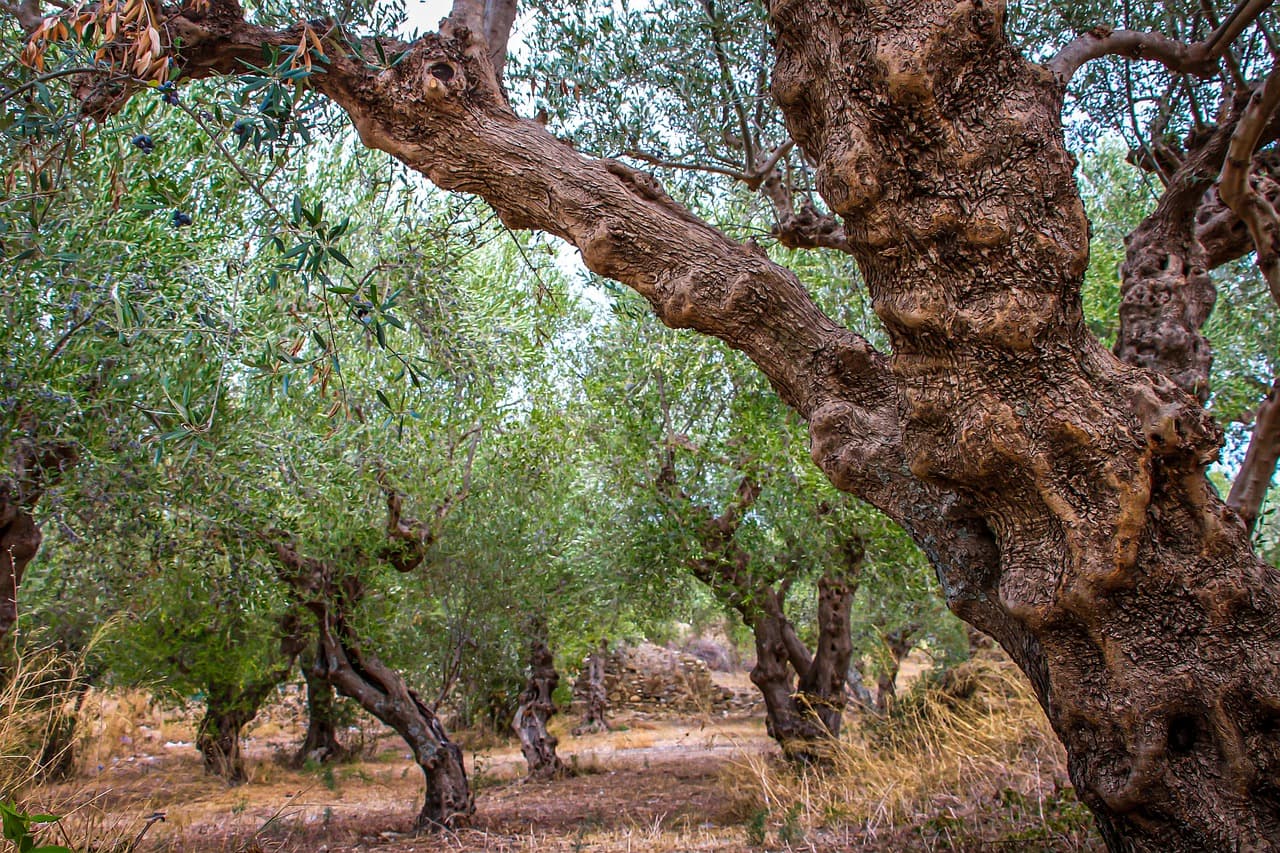
Settlers invite followers to pick olives
The West Bank olive harvest officially began on October 15, 2026 and runs until the end of November, but many Palestinian farmers started two weeks early to cut the risk of violence from settlers and the army. While they took that precaution, dozens of social media posts have presented a convivial image of an Israeli harvest and urged others to join in.
One Instagram post inviting people to harvest olives was filmed at David Kela, identified in the post as an illegal Israeli settlement in the occupied West Bank. Settler Elisha Yered shared a post inviting users to come and gather olives to make oil at Itamar, an illegal settlement, and Avihai, an illegal farm.
His caption urged viewers to harvest in "the nearest orchard, located just behind the gate to your town" and called on them to "reinforce the Jewish presence on our country's land".
'Colonists wearing keffiyeh come to attack us'
Mohammed, president of an agricultural committee in a Palestinian village, said his community has faced attackers dressed in Palestinian dress itself. "We even saw colonists wearing keffiyeh come to attack us," he said, adding that Palestinians see their culture being stolen.
The keffiyeh, a traditional scarf, often carries embroidery representing olive branches, he said, and women's thobes bear patterns of olive trees. For him, the tree itself carries the weight of that heritage.
"Growing olives is a historic, cultural and religious act for us."
Mohammed noted that olive and fig trees, historically planted together in Palestine, are often jointly mentioned in the Quran. Martyrs' grave stones, he said, carry the inscription "We die standing up, like Palestine's olive trees".
What the numbers show
The scale of settler attacks on West Bank olive groves this season is recorded by the UN Office for the Coordination of Humanitarian Affairs (OCHA):
- •On October 15, OCHA counted nearly 200 olive-harvest-linked attacks causing bodily injury or material damage - already surpassing the 185 incidents recorded in 2025.
- •This year's harvest-linked attacks have killed one person, injured more than 120, and damaged or destroyed more than 2,500 olive trees or young plants, according to OCHA.
- •The olive sector brought in $170 million per year (more than €151 million) to the occupied West Bank economy, according to B'Tselem's report 'The Elimination Project'.
- •In 2019, more than 10 million olive trees were a source of primary or secondary income for 80,000 to 100,000 families, per OCHA.
- •The Palestinian Ministry of Agriculture says at least 100,000 olive trees have been destroyed, ripped out or burned in the occupied West Bank since 2023.
OCHA also said the 2025 harvest restrictions and violence cost the Palestinian economy more than $46 million (nearly €40 million) in revenue. Those restrictions included designating olive groves as military zones or national parks, violence or intimidation, and military orders blocking harvesting.
B'Tselem spokesperson Yair Dvir said "each year, the violence continues to intensify. The violence perpetrated by settlers and soldiers leads to injuries or even deaths." He added that the army often participates, arresting Palestinians, firing on them and using tear gas while settlers attack and steal olives.
Army response and access restrictions
The Israeli army said that in "disturbances affecting the harvest" it took "necessary measures for prosecution or, if needed, to disperse those present". It said most instances of friction occur where olive harvesting does not require coordination or where security forces are absent.
Farmers in the Hebron Governorate describe a different experience. Omar, who lives there, said the Israeli army has blocked his access to his olive grove since June 16, 2026. He said that on that day about a dozen settlers entered the grove he inherited and hit the olive trees with bats. "They were hitting the olive trees with bats," he said.
Omar said police stayed on the main road and did not come close enough to make the settlers leave, that the settlers took some olives and stamped on the rest, and brought about 200 sheep to graze in the orchard from morning to sunset. The family, he said, was banned from the orchard on the claim that the land was now part of a military zone.
To reach land blocked by the army, Palestinian farmers must obtain so-called prior coordination permits. The harvest continues until the end of November 2026; with nearly 200 attacks already counted, this season has passed the 185 incidents recorded in 2025.