World
• Analysis
Be Ready campaign: UK public 'responding calmly' to three-day emergency supplies advice
The UK government's Be Ready campaign, which urges households to stock three days' worth of emergency supplies for severe weather or cyber-attacks, has drawn calm interest rather than panic, with prepping businesses reporting surging orders since the advice was published.
By Haut Monde Post
• October 23, 2026
• 4 Min Read
What the Be Ready campaign advises
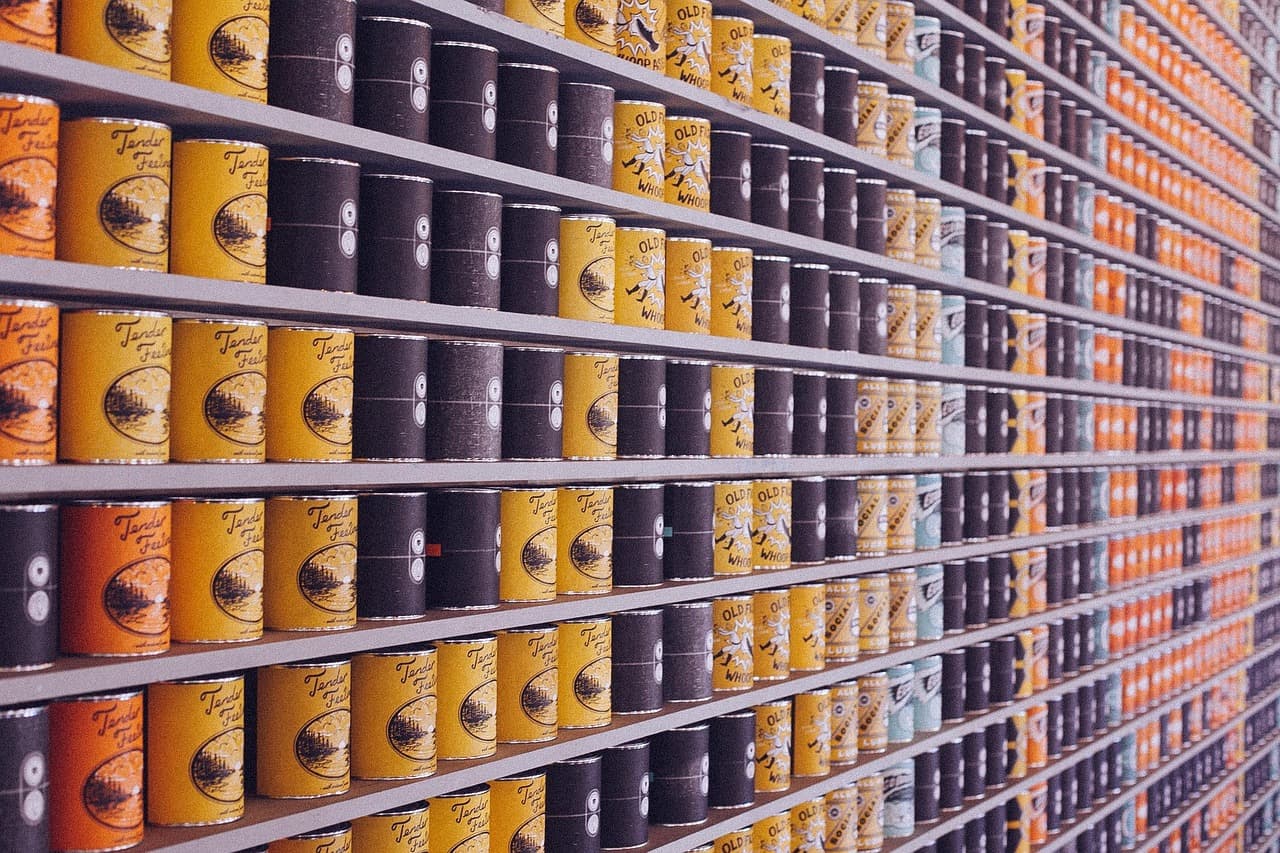
Under the Be Ready campaign, the UK government is advising the public to keep three days' worth of supplies for use during severe weather or cyber-attacks, so that help can be directed to the most vulnerable first. The advice is set out in a concise two-page document.
The recommended kit covers:
- •bottled water and non-perishable food for three days
- •a torch with spare batteries
- •a wind-up FM radio
- •a first aid kit
- •a copy of the passport
To head off panic buying, the campaign tells people to check their cupboards first and build up items gradually on regular shopping trips.
Prepping shops see a rush of orders
Jack Brown, co-owner of Sgt Prepper Shop, which sells emergency food and survival tools, received a month's worth of orders in the first 24 hours of the campaign. "I thought my phone was glitching or being hacked with the number of orders coming in," he said.
In his view, three days is the target because power cuts, a burst water main or flooding - the emergencies people actually face - are usually dealt with inside that window. He called the advice "realistic, affordable and fits in a cupboard", and argued that asking for a month's worth of supplies would overwhelm people into doing nothing. Among the radios on the list, he picked out wind-up models with a built-in torch and phone-charging USB port as "one of the most useful bits of kit you can own".
Traffic to Start Prepping UK, run by Dan Goss, has risen 700% since news of the campaign emerged in August. Goss welcomed the government addressing the subject in "plain language" and judged the panic risk to be small, saying such a reaction would demand uptake on a scale far beyond what he expects. Pointing to what he called a phase of frequent disruption to people's lives - small-area events rather than apocalyptic disasters - he said "this advice is very much needed".
Psychologists: no evidence of panic
Panic, according to Dr Sarita Robinson, associate dean for the school of psychology and humanities at the University of Lancashire, is not what such messaging produces. "There's this perception that if we tell people the truth we're somehow going to panic them and it isn't the case," she said.
Accurate messaging, in her view, prompts the public to engage proactively, while withheld information is where governments run into trouble. She described Be Ready as "realistic, quite low level, and should be reassuring because it's basically treating the public like the grownups they are".
A shift in the image of prepping
For Robinson, the campaign reflects how views of prepping have changed, a change she traces to the Covid-19 pandemic and the empty supermarket shelves most people remember. A study she ran in that period found that people who had done mild prepping in the weeks before the pandemic reported lower anxiety and depression, and less stress. In her words, the government's task is to present the advice as an ordinary, routine habit - one common in other countries - rather than something associated with conspiracy-minded stockpiling at home.
The contrast is stark with 1980, when the UK government launched its Protect and Survive campaign on how to stay alive after a nuclear attack. That advice covered building a "fallout room" at home, whitewashing windows to protect from a blast, and storing a dead body for up to five days. It met scepticism, disbelief and derision, led to a political backlash, and was later lampooned on TV and in music.
There is no evidence the Be Ready advice has triggered mass panic.