World
• Analysis
Iran US Peace Talks Stall as Tehran Insists No Military Solution Exists
Iran US peace talks appear deadlocked, with Foreign Minister Abbas Araghchi telling a gathering of foreign ambassadors on Sunday that no military solution to the war exists and that only a settlement grounded in justice and fairness can end it.
By Haut Monde Post
• October 4, 2026
• 4 Min Read

Talks at an impasse, Tehran warns
Foreign Minister Abbas Araghchi told a gathering of foreign ambassadors on Sunday that talks to end the conflict appear to be at an impasse. Neither military action nor new sanctions can settle the war, he argued; only negotiations grounded in justice and fairness can bring it to a close. In Araghchi's words:
"no military solution to the United States' war against the Islamic republic"
Should Iran's enemies again choose military confrontation, he warned, the country's response would be harsher than the last, and Iran would defend itself with greater force still.
Seven conditions and one counterproposal
Iranian and US officials held indirect talks last week on the margins of the UN General Assembly. Tehran says it presented seven conditions for reopening the strait at those meetings. Among the demands it listed were:
- •a ceasefire across the Middle East
- •the unfreezing of Iranian assets held abroad
- •the lifting of sanctions on the country's oil sector
- •an end to the US naval blockade
Trump turned the proposal down, keeping open both the possibility of more talks and of renewed military operations.
Deputy Foreign Minister Kazem Gharibabadi said on Sunday that Washington had responded to the proposal and that its response was under review. Speaking to reporters, according to the state news agency IRNA, he said the Americans had conveyed their views through intermediaries and that they were being studied through the proper channels. He added that Iran would take the appropriate steps once its final position is settled, and that the country is preparing itself for any other possible scenario.
Foreign ministry spokesman Esmaeil Baqaei said on Sunday that the latest US counterproposal resembles Washington's earlier positions on nuclear matters. On Iran's priorities, he was direct:
"We have clearly indicated that we are focusing on the issue of the Strait of Hormuz"
Reopening the strait, Baqaei said, depends on halting the interference with Iranian commercial shipping and on sanctions being lifted.
Strait of Hormuz: blockade, counterblockade, tanker hit
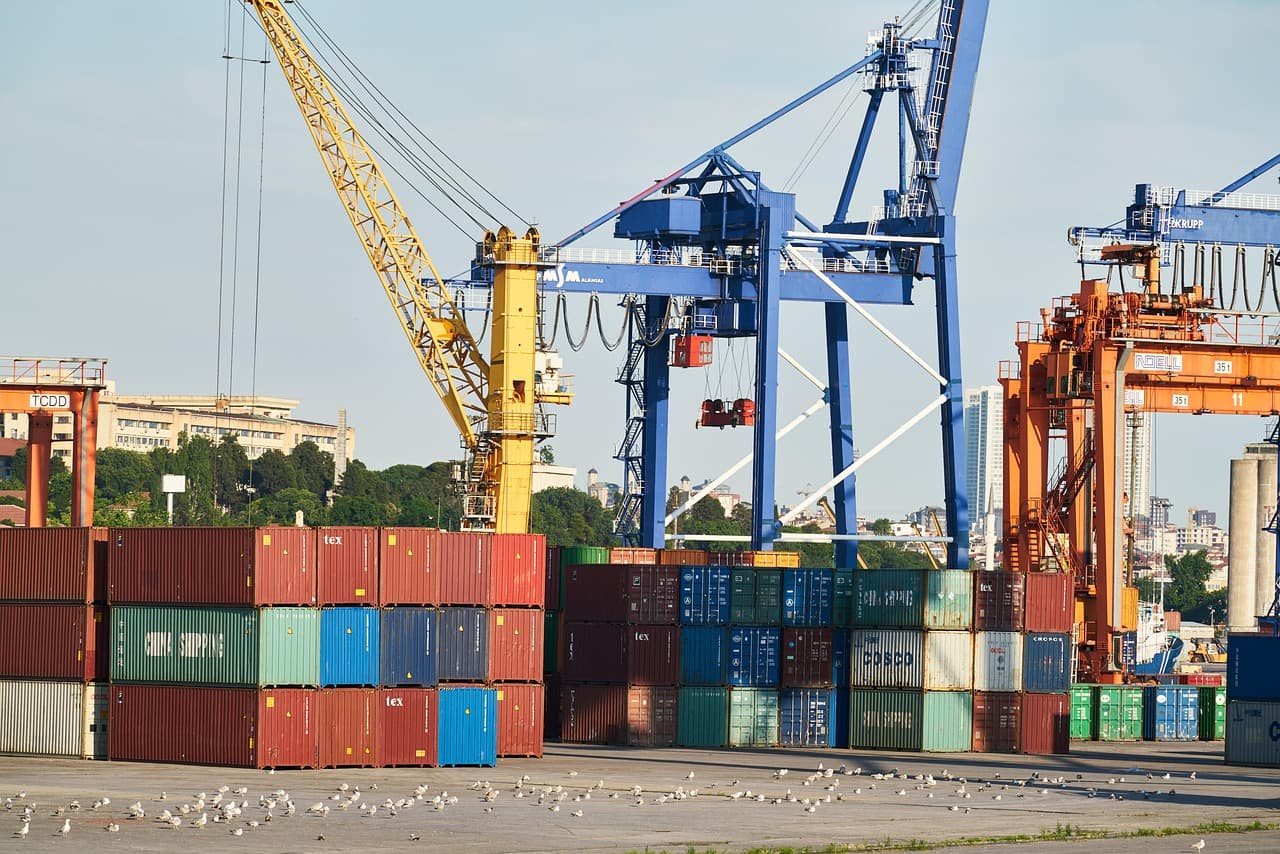
The central dispute between the sides remains Iran's attempt to blockade the Strait of Hormuz, a key route for Gulf oil and gas. Its closure unsettled world energy markets, and the conflict's focus has since moved to reopening the strait.
Since the war began, Iran has tried to control the shipping lane, hitting ships that try to pass without its permission. Those attacks on vessels led US military operations to resume. Washington, in turn, has set up a counterblockade of Iranian ports and has struck vessels it accuses of breaching it.
On Sunday, the British maritime security agency UKMTO reported that a tanker in the strait was hit by an unidentified projectile that damaged its engine room. All aboard were reported safe, with no environmental impact recorded. UKMTO did not provide:
- •a date for the incident
- •the vessel's origin and destination
- •any word on whether the ship was an oil tanker or an LNG carrier
A war that began in February, and an oil minister resigns
The war was launched by the US and Israel in late February, and a heavy bombardment campaign failed to produce a decisive outcome. Both governments say it is necessary to stop Iran from acquiring nuclear weapons, an ambition Tehran has long denied pursuing. The two sides agreed a memorandum of understanding in June that set out a framework for permanently resolving the conflict. Washington has pulled back from military operations in recent weeks, leaning instead on economic pressure.
At home, the president's office announced on Sunday that oil minister Mohsen Paknejad has resigned, while the US blockade on Iranian oil exports remains in place. A presidential office official said in a state television bulletin that Paknejad had offered to quit some time earlier over personal matters, but the offer was rejected.
President Masoud Pezeshkian had wanted Paknejad to stay in the job but is now accepting his exit because the minister pressed to leave. The presidency named Hamid Bovard, chief executive of the National Iranian Oil Company, as Paknejad's successor.
Iran, for its part, expects the US answer on Tuesday to its plan for reopening the Strait of Hormuz. The US military has not struck Iran since September 1, though it has recently been building up forces in the region again.