• Analysis
Spain election: why the vote matters far beyond Madrid
Spaniards vote in a parliamentary election on November 29 that could end Pedro Sanchez's third term as prime minister. The outcome carries weight across Europe, as Spain is one of the EU's biggest and most influential member states.
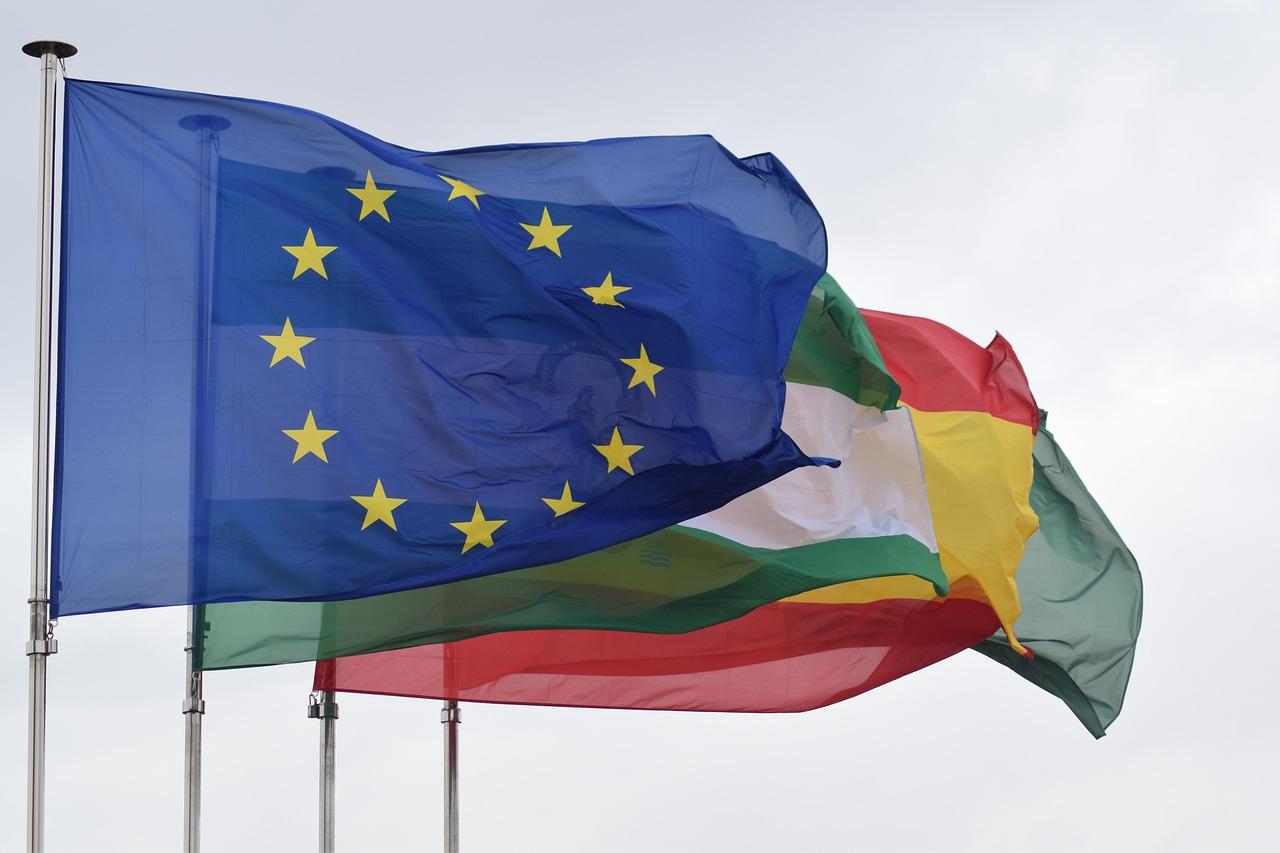
What is at stake at home
On November 29, Spain holds a parliamentary election that could see the end of the Socialist-led government and Pedro Sanchez's third term as prime minister. A win for the opposition could mean a coalition between the right and the far right taking power in one of the EU's biggest and most influential member states.
A European reference point for the left
The European left holds only a few governments across the bloc, and Sanchez has been seen as a moral leader for that camp. His supporters portray him as standing up to US President Donald Trump and Israeli Prime Minister Benjamin Netanyahu, which makes his survival a matter of wider significance than Spanish politics alone.
The shadows over Sanchez
Opponents argue the picture is different at home, where corruption allegations implicate Sanchez's inner circle and make him, in their words, an embarrassing European symbol. His record in office also carries liabilities:
- •two shocking train crashes
- •the migrant crisis in Spain's North African exclave of Ceuta
The debate
The vote was also examined in a debate bringing together MEPs from both sides of the Spanish political spectrum, a programme prepared by Oihana Almandoz, Perrine Desplats and Isabelle Romero. The November 29 parliamentary election will show whether Sanchez keeps his third term or a right and far right coalition takes over.