World
• Analysis
US Ad Campaign Urging Afrikaners to Emigrate Weighed by State Department
US officials are weighing a media ad campaign in South Africa, costing roughly $335,000, to encourage Afrikaners to emigrate and find out why more are not applying to become US refugees, according to an August proposal by State Department officials.
By Haut Monde Post
• October 15, 2026
• 4 Min Read
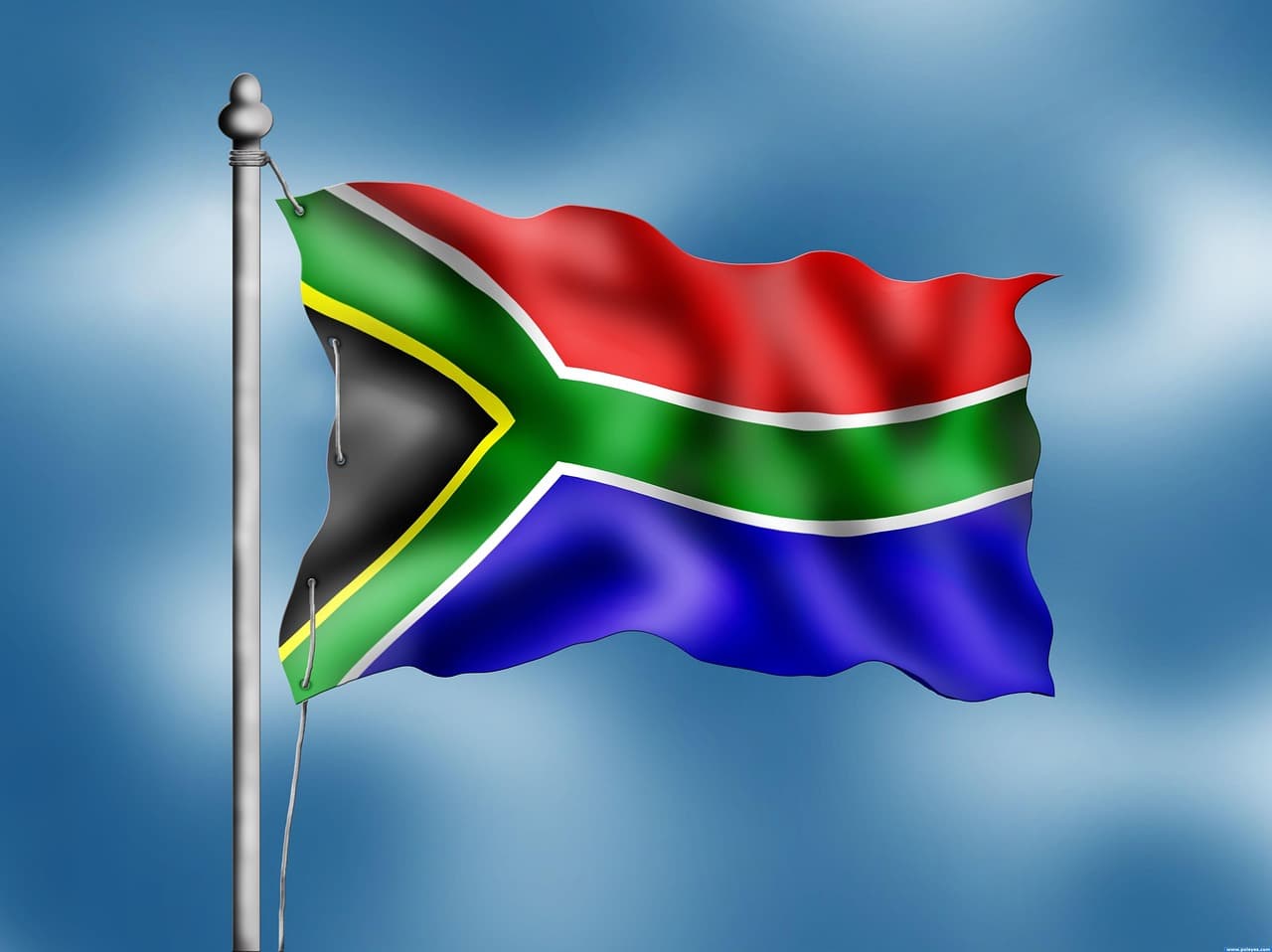
The proposed push is the latest step in an unusual refugee arrangement: while most refugee admissions to the United States have been sharply capped, one group – white South Africans – has been singled out for priority resettlement. The US ad campaign urging Afrikaners to emigrate would cost hundreds of thousands of dollars and is meant to find out why so few take up the offer.
What the proposal says
An August proposal drawn up by State Department officials outlined a research and advertising effort of roughly $335,000 aimed at learning why so few Afrikaners apply to move to the United States. According to the document, applications to the refugee program have "trended lower than expected" since Afrikaners were allowed to apply directly online in November 2025.
The paper was written by the US mission in South Africa together with a department research unit, for the embassy in Pretoria. It states that "There’s currently little research about why Afrikaners are not applying" – officials themselves do not know what is holding potential applicants back.
How the three phases would work
The plan is built in three stages, moving from listening to testing messages to a full advertising drive:
- •Focus groups first, held in Pretoria, Krugersdorp, Bloemfontein, Kroonstad, Stellenbosch, Worcester, Kimberley and Orania, the Afrikaner-only separatist community.
- •Participants would come from two age groups, 20 to 35 and 40 to 55, split by urban or rural setting and by household income.
- •A survey of 1,000 Afrikaners, conducted online and offline, would test which messages work in which communities.
- •The final phase is a six-month digital campaign, mostly in Afrikaans with possibly some English, aimed at Afrikaners interested in migrating; the department would hire an agency with local knowledge and use "trusted messengers".
The refugee program's numbers
The focus on Afrikaners comes from a February 2025 executive order that directed officials to put Afrikaner resettlement first while the wider US refugee program stayed suspended. Last year, the president restricted refugee admissions to 7,500 – the lowest in US history – then raised the cap to 17,500 in May, with added slots going primarily to Afrikaners; the cap had been 125,000 under Biden.
The results so far are lopsided. The US admitted 16,292 refugees in the fiscal year that ended 30 September, with the remaining five admissions being Afghans. A year earlier, South Africans made up 342 of 38,102 refugee admissions. The admissions bureau is now led by Adam Zerbinopoulos, a career diplomat who became its senior official on 31 August.
The dispute with Pretoria
The program sits inside a wider confrontation. Administration officials had said Afrikaners face racial discrimination and "white genocide"; the South African government rejects the genocide claim, and experts have widely dismissed the idea that Afrikaners face targeted violence or genocide. South African foreign minister Ronald Lamola said in New York last month there is "no evidence" for the claim, and Pretoria argues that the small number of South Africans taking up the offer shows the claims are false.
For its part, the State Department defends the arrangement. A department spokesperson said: "we continue to process and admit as refugees Afrikaners in South Africa" who, the department says, are escaping government-sponsored race-based discrimination. The spokesperson added that "President Trump has been very clear that we are prioritizing the resettlement of Afrikaners" under the executive order.
The frictions extend well beyond refugees. Trump announced in November that South Africa would not be invited to the 2026 G20 summit, hosted by the US in Miami in mid-December, citing alleged abuses against white farmers. Washington has also cut aid and restricted visas over South Africa's race and land policies. US ambassador Leo Brent Bozell III wrote last month that his government was "shocked" by what it saw as Pretoria's silence on a set of US requests, citing the 2024 Expropriation Act and rural crime.
The advertising proposal has not gone past the consideration stage. The State Department's position, for now, is that processing and admissions of Afrikaners under Trump's executive order continue.