Sunday, November 29, 2026

english

HAUT MONDE

POST

World

• Analysis

Spain election far right: Vox's radical manifesto offers a preview of what a PP–Vox government would pursue

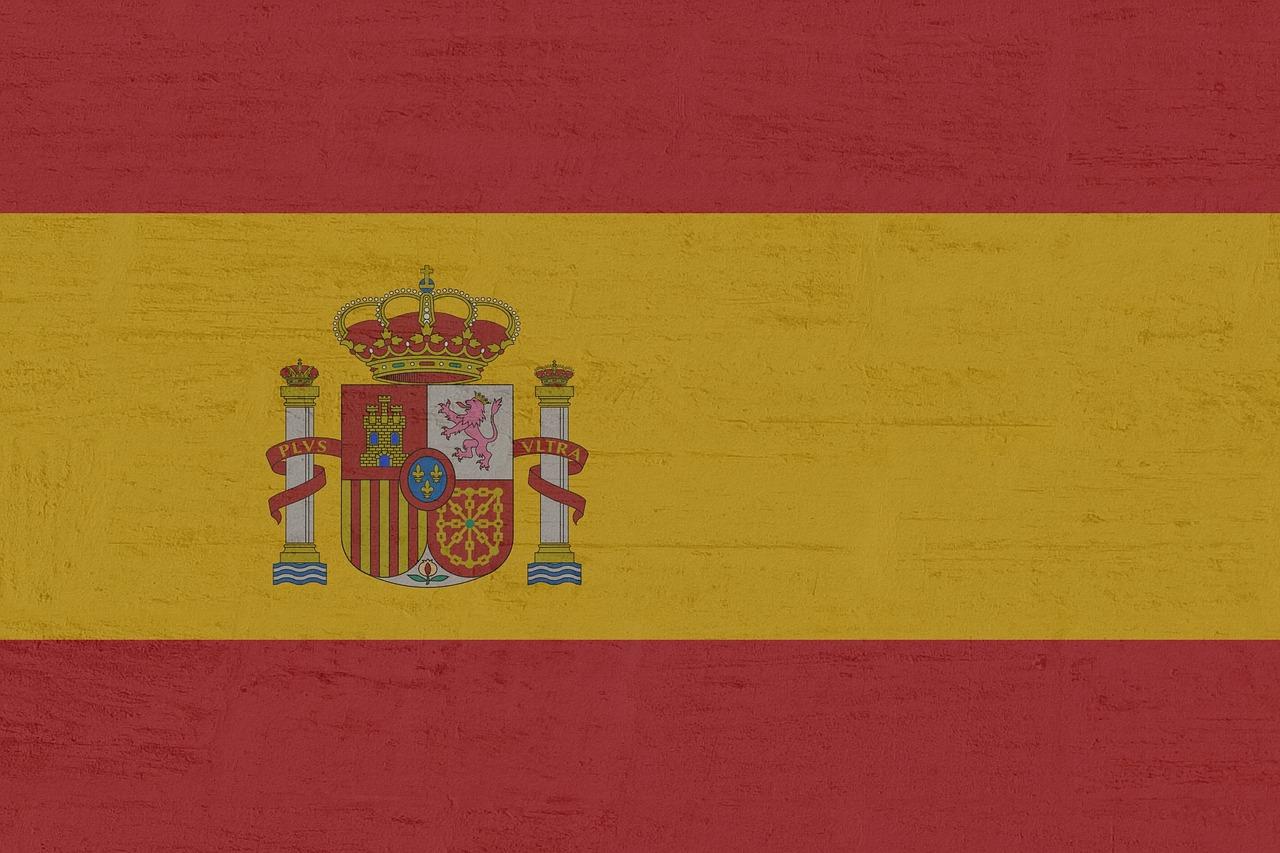
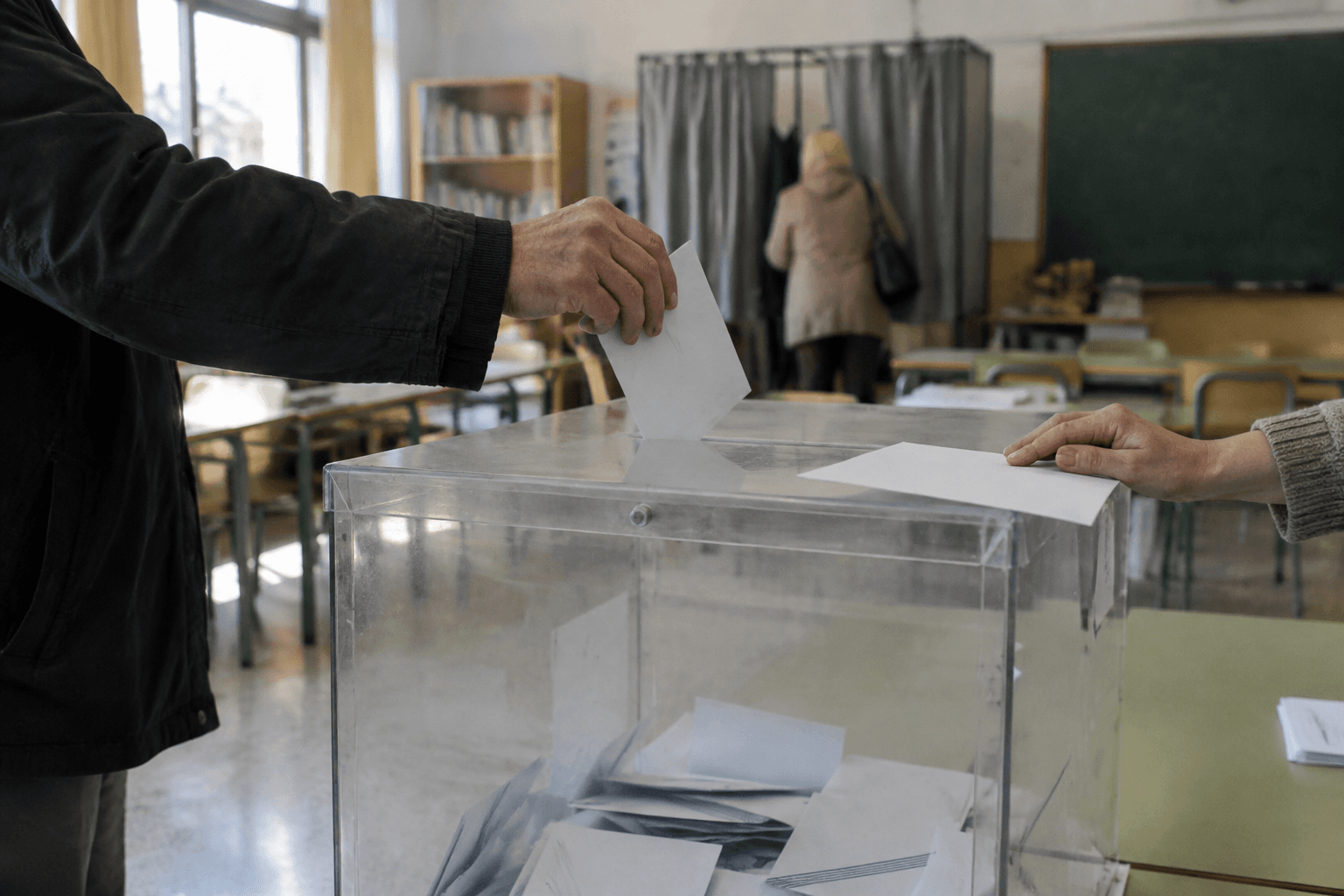
Spaniards vote on Sunday in a snap general election that could put the far right in government for the first time since Spain's return to democracy after Franco's death in 1975. Vox's programme - prosecuting Pedro Sánchez, deregulation and 'remigration' - previews what the far right would bring to a coalition with the People's party.
By Haut Monde Post

• November 28, 2026

• 4 Min Read

Spain election far right: Vox's radical manifesto offers a preview of what a PP–Vox government would pursue

The spain election far right question has been argued over all campaign long, but Vox's own manifesto states plainly what the party wants to do in power. If Sunday's vote delivers a PP–Vox coalition, the terms of that alliance would come, in part, from a programme the two parties would have to reconcile with the PP's own pledges.

What Vox would bring to government

Vox's manifesto goes well beyond the tax-and-housing pledges of its senior partner. Its most striking commitment concerns the prime minister himself.

  • •Prosecuting Pedro Sánchez and his government 'for treason and crimes against the security of the state' over the Ceuta crossing, when about 80,000 people crossed into the north African territory from Morocco within 48 hours [F23, F13]
  • •Deregulation as a general programme
  • •'Remigration'
  • •Priority for Spanish-born people in housing and public services

The Ceuta prosecution pledge is aimed directly at the crisis that Vox and other rightwing parties have used against Sánchez, alongside criticism of his government's handling of it and corruption allegations facing his inner circle.

The right's unbacked claims

Alongside the manifesto, the far right's campaign has leaned on claims its own leaders cannot support. The PP and Vox have made baseless claims that the government may seek to rig postal votes. Vox leader Santiago Abascal has suggested, without providing evidence, that Sánchez is working to undermine democracy and change the country's demographic makeup.

Both parties have also used Spain's two deadly rail crashes - the second of which killed 69 people in late October - to accuse the government of failing in its basic duty to keep Spaniards safe [F14, F15]. They frame Sunday's poll as a referendum on 'sanchismo', describing Sánchez's style of government as cynical, corrupt, opportunistic and self-serving.

A party the PP once shunned

The clearest measure of how far the PP has travelled lies with its own recent leadership. Former PP leader Pablo Casado repudiated Vox outright, accusing it of politics of 'fear, anger, resentment and revenge'.

'Fear, anger, resentment and revenge.'

That repudiation has not survived contact with power. The PP now runs four of Spain's autonomous regions in coalition with Vox, a partnership that would extend to national government if Sunday's result holds the shape the polls suggest.

Sunday's vote decides

The snap general election was called in October by the socialist prime minister, ahead of the due date of summer the following year, after the PP, Vox and the rightwing Catalan separatist Junts voted down his emergency housing legislation [F2, F6].

Polls put the PP first, with Sánchez's PSOE having narrowed the gap to fewer than three percentage points. Surveys predict the PP will fall short of a majority and need a deal with Vox; together they are forecast a joint majority well above the 176 seats required in Spain's 350-seat congress of deputies.

Even if PSOE comes first, the parliamentary arithmetic suggests it would struggle to cobble together another coalition with the leftwing Broad Front alliance and regional nationalist parties. PP leader Alberto Núñez Feijóo told viewers during the head-to-head debate that 'Spain deserves a decent prime minister and [Sánchez] isn't one', while Sánchez countered that he was confident of victory, telling Cadena Ser radio: 'I can't conceive of us losing'.

The PP's own platform - lower taxes, 1m new homes and a promise to 'restore the country's ambition and self-esteem' - differs sharply from Vox's programme. But the polling arithmetic makes a deal between the two the most likely route to a majority, meaning Sunday's vote will determine whether Vox enters government on the terms of its manifesto.

HAUT MONDE POST

Independent journalism of the highest standard. A chronicle of world culture, politics, arts, and public thought.

Publication

AboutEditorial

Newsletter

Get the best Haut Monde Post content delivered to your inbox every week.

© 2026 Haut Monde Post. All rights reserved. Digital edition hautmondepost.com.

Sunday, Nov 29, 2026

english

World

• Analysis

Spain election far right: Vox's radical manifesto offers a preview of what a PP–Vox government would pursue

Spaniards vote on Sunday in a snap general election that could put the far right in government for the first time since Spain's return to democracy after Franco's death in 1975. Vox's programme - prosecuting Pedro Sánchez, deregulation and 'remigration' - previews what the far right would bring to a coalition with the People's party.

By Haut Monde Post

Nov 28, 2026 • 4 Min Read
Spain election far right: Vox's radical manifesto offers a preview of what a PP–Vox government would pursue

The spain election far right question has been argued over all campaign long, but Vox's own manifesto states plainly what the party wants to do in power. If Sunday's vote delivers a PP–Vox coalition, the terms of that alliance would come, in part, from a programme the two parties would have to reconcile with the PP's own pledges.

What Vox would bring to government

Vox's manifesto goes well beyond the tax-and-housing pledges of its senior partner. Its most striking commitment concerns the prime minister himself.

  • •Prosecuting Pedro Sánchez and his government 'for treason and crimes against the security of the state' over the Ceuta crossing, when about 80,000 people crossed into the north African territory from Morocco within 48 hours [F23, F13]
  • •Deregulation as a general programme
  • •'Remigration'
  • •Priority for Spanish-born people in housing and public services

The Ceuta prosecution pledge is aimed directly at the crisis that Vox and other rightwing parties have used against Sánchez, alongside criticism of his government's handling of it and corruption allegations facing his inner circle.

The right's unbacked claims

Alongside the manifesto, the far right's campaign has leaned on claims its own leaders cannot support. The PP and Vox have made baseless claims that the government may seek to rig postal votes. Vox leader Santiago Abascal has suggested, without providing evidence, that Sánchez is working to undermine democracy and change the country's demographic makeup.

Both parties have also used Spain's two deadly rail crashes - the second of which killed 69 people in late October - to accuse the government of failing in its basic duty to keep Spaniards safe [F14, F15]. They frame Sunday's poll as a referendum on 'sanchismo', describing Sánchez's style of government as cynical, corrupt, opportunistic and self-serving.

A party the PP once shunned

The clearest measure of how far the PP has travelled lies with its own recent leadership. Former PP leader Pablo Casado repudiated Vox outright, accusing it of politics of 'fear, anger, resentment and revenge'.

'Fear, anger, resentment and revenge.'

That repudiation has not survived contact with power. The PP now runs four of Spain's autonomous regions in coalition with Vox, a partnership that would extend to national government if Sunday's result holds the shape the polls suggest.

Sunday's vote decides

The snap general election was called in October by the socialist prime minister, ahead of the due date of summer the following year, after the PP, Vox and the rightwing Catalan separatist Junts voted down his emergency housing legislation [F2, F6].

Polls put the PP first, with Sánchez's PSOE having narrowed the gap to fewer than three percentage points. Surveys predict the PP will fall short of a majority and need a deal with Vox; together they are forecast a joint majority well above the 176 seats required in Spain's 350-seat congress of deputies.

Even if PSOE comes first, the parliamentary arithmetic suggests it would struggle to cobble together another coalition with the leftwing Broad Front alliance and regional nationalist parties. PP leader Alberto Núñez Feijóo told viewers during the head-to-head debate that 'Spain deserves a decent prime minister and [Sánchez] isn't one', while Sánchez countered that he was confident of victory, telling Cadena Ser radio: 'I can't conceive of us losing'.

The PP's own platform - lower taxes, 1m new homes and a promise to 'restore the country's ambition and self-esteem' - differs sharply from Vox's programme. But the polling arithmetic makes a deal between the two the most likely route to a majority, meaning Sunday's vote will determine whether Vox enters government on the terms of its manifesto.
HAUT MONDE POST

Independent journalism of the highest standard. A chronicle of world culture, politics, arts, and public thought. Published and printed daily in Paris, France.

Publication

AboutEditorial

Newsletter

Get the best Haut Monde Post content delivered to your inbox every week.

© 2026 Haut Monde Post. All rights reserved. Digital edition hautmondepost.com. Published in Paris.

Sunday, Nov 29, 2026

english

World

• Analysis

Spain election far right: Vox's radical manifesto offers a preview of what a PP–Vox government would pursue

Spaniards vote on Sunday in a snap general election that could put the far right in government for the first time since Spain's return to democracy after Franco's death in 1975. Vox's programme - prosecuting Pedro Sánchez, deregulation and 'remigration' - previews what the far right would bring to a coalition with the People's party.

By Haut Monde Post

Spain election far right: Vox's radical manifesto offers a preview of what a PP–Vox government would pursue

The spain election far right question has been argued over all campaign long, but Vox's own manifesto states plainly what the party wants to do in power. If Sunday's vote delivers a PP–Vox coalition, the terms of that alliance would come, in part, from a programme the two parties would have to reconcile with the PP's own pledges.

What Vox would bring to government

Vox's manifesto goes well beyond the tax-and-housing pledges of its senior partner. Its most striking commitment concerns the prime minister himself.

  • •Prosecuting Pedro Sánchez and his government 'for treason and crimes against the security of the state' over the Ceuta crossing, when about 80,000 people crossed into the north African territory from Morocco within 48 hours [F23, F13]
  • •Deregulation as a general programme
  • •'Remigration'
  • •Priority for Spanish-born people in housing and public services

The Ceuta prosecution pledge is aimed directly at the crisis that Vox and other rightwing parties have used against Sánchez, alongside criticism of his government's handling of it and corruption allegations facing his inner circle.

The right's unbacked claims

Alongside the manifesto, the far right's campaign has leaned on claims its own leaders cannot support. The PP and Vox have made baseless claims that the government may seek to rig postal votes. Vox leader Santiago Abascal has suggested, without providing evidence, that Sánchez is working to undermine democracy and change the country's demographic makeup.

Both parties have also used Spain's two deadly rail crashes - the second of which killed 69 people in late October - to accuse the government of failing in its basic duty to keep Spaniards safe [F14, F15]. They frame Sunday's poll as a referendum on 'sanchismo', describing Sánchez's style of government as cynical, corrupt, opportunistic and self-serving.

A party the PP once shunned

The clearest measure of how far the PP has travelled lies with its own recent leadership. Former PP leader Pablo Casado repudiated Vox outright, accusing it of politics of 'fear, anger, resentment and revenge'.

'Fear, anger, resentment and revenge.'

That repudiation has not survived contact with power. The PP now runs four of Spain's autonomous regions in coalition with Vox, a partnership that would extend to national government if Sunday's result holds the shape the polls suggest.

Sunday's vote decides

The snap general election was called in October by the socialist prime minister, ahead of the due date of summer the following year, after the PP, Vox and the rightwing Catalan separatist Junts voted down his emergency housing legislation [F2, F6].

Polls put the PP first, with Sánchez's PSOE having narrowed the gap to fewer than three percentage points. Surveys predict the PP will fall short of a majority and need a deal with Vox; together they are forecast a joint majority well above the 176 seats required in Spain's 350-seat congress of deputies.

Even if PSOE comes first, the parliamentary arithmetic suggests it would struggle to cobble together another coalition with the leftwing Broad Front alliance and regional nationalist parties. PP leader Alberto Núñez Feijóo told viewers during the head-to-head debate that 'Spain deserves a decent prime minister and [Sánchez] isn't one', while Sánchez countered that he was confident of victory, telling Cadena Ser radio: 'I can't conceive of us losing'.

The PP's own platform - lower taxes, 1m new homes and a promise to 'restore the country's ambition and self-esteem' - differs sharply from Vox's programme. But the polling arithmetic makes a deal between the two the most likely route to a majority, meaning Sunday's vote will determine whether Vox enters government on the terms of its manifesto.