• Analysis
Crete migrant arrivals: coast guard rescues 1,000 as island shelters about 2,500 people
The Greek coast guard rescued around 1,000 people from boats off Crete over the weekend and about 700 more reached the island on their own, pushing arrivals to roughly 2,500 and straining local reception facilities.
Rescues across the weekend
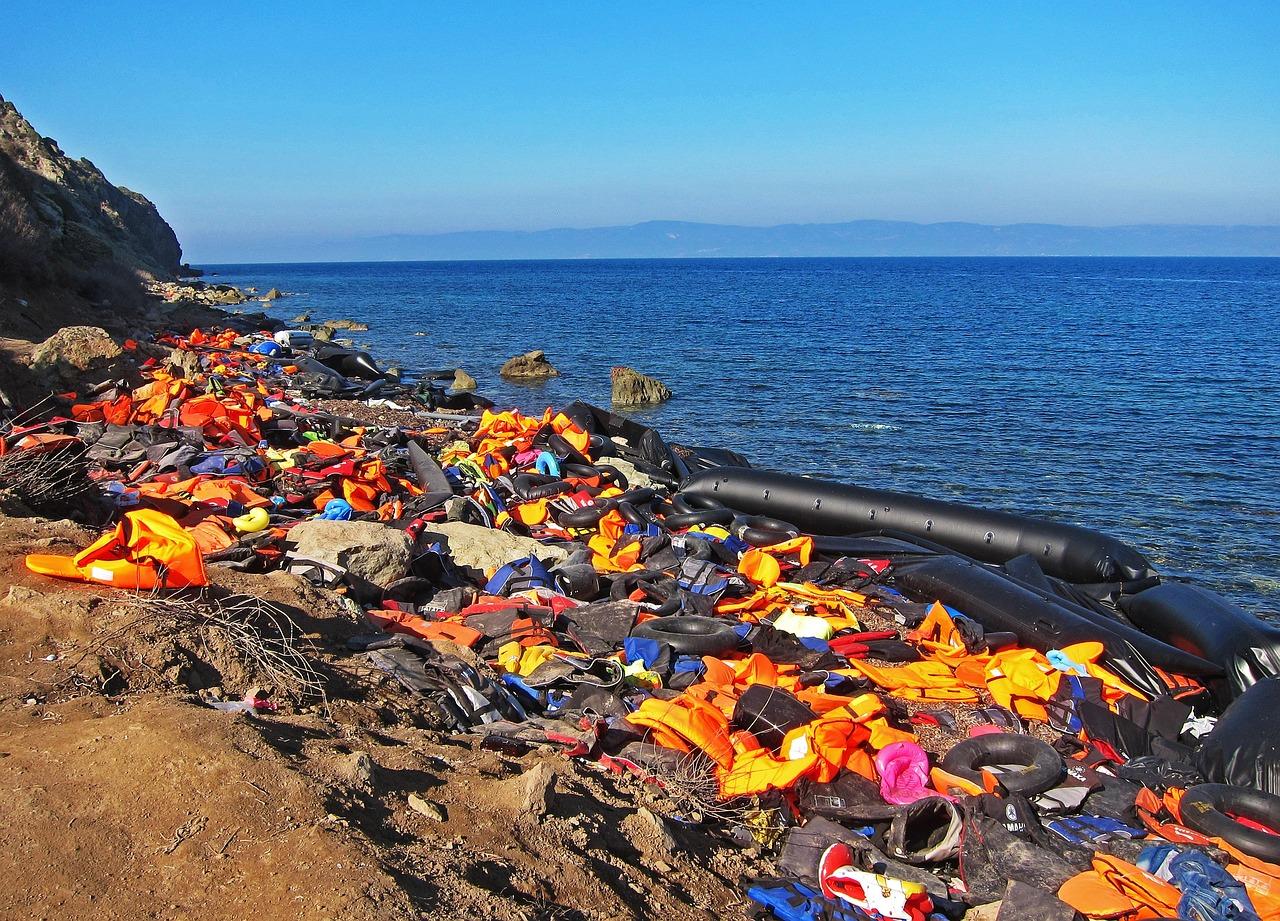
Migrant arrivals on Crete mounted through the weekend as the Greek coast guard pulled some 1,000 people from boats at sea and about 700 more made it to the island themselves. A coast guard official said more than a dozen separate operations were carried out off Crete on Saturday.
- •On Sunday, drones of the EU border agency Frontex spotted three boats carrying 190 people, who were brought ashore at Kaloi Limenes and Ierapetra.
Two bodies found on Gavdos
On the nearby island of Gavdos, the bodies of two migrants were recovered from a rocky stretch of land on Saturday.
Minister: hardest 48 hours of the year
Migration Minister Thanos Plevris told Skai television on Sunday that the previous 48 hours had been the most difficult period for arrivals this year, lifting the number of people on the island to about 2,500 and overwhelming local reception facilities.
"migrant arrivals over the past 48 hours had been the "most difficult" of the year"
Hundreds of migrants were bused to Heraklion port in the east, where many remained outdoors because the temporary facility there had filled up.
Transfers to the mainland planned
Plevris said a ship will sail to Crete next week to begin regular transfers of migrants to reception camps on the Greek mainland.
Arrivals from Libya have surged in recent years, mostly of people from Bangladesh and of those fleeing conflict in Sudan, opening a new southern route to Gavdos and southern Crete.
Greece was at the frontline of Europe's migration crisis in 2015 to 2016, when nearly one million people landed on its islands, mostly from Turkey. This year Greece has stepped up repatriation of rejected asylum seekers and, along with four other EU countries, wants to send many of them to a deportation hub in Rwanda from next year.