• Analysis
Rosebank Oilfield Could Pass Without Breaching UK Emission Targets, Insiders Say
Government insiders say the Rosebank oilfield could be approved without breaching the UK emission targets, because emissions from burning its exported oil count against other countries rather than the UK's carbon budgets.
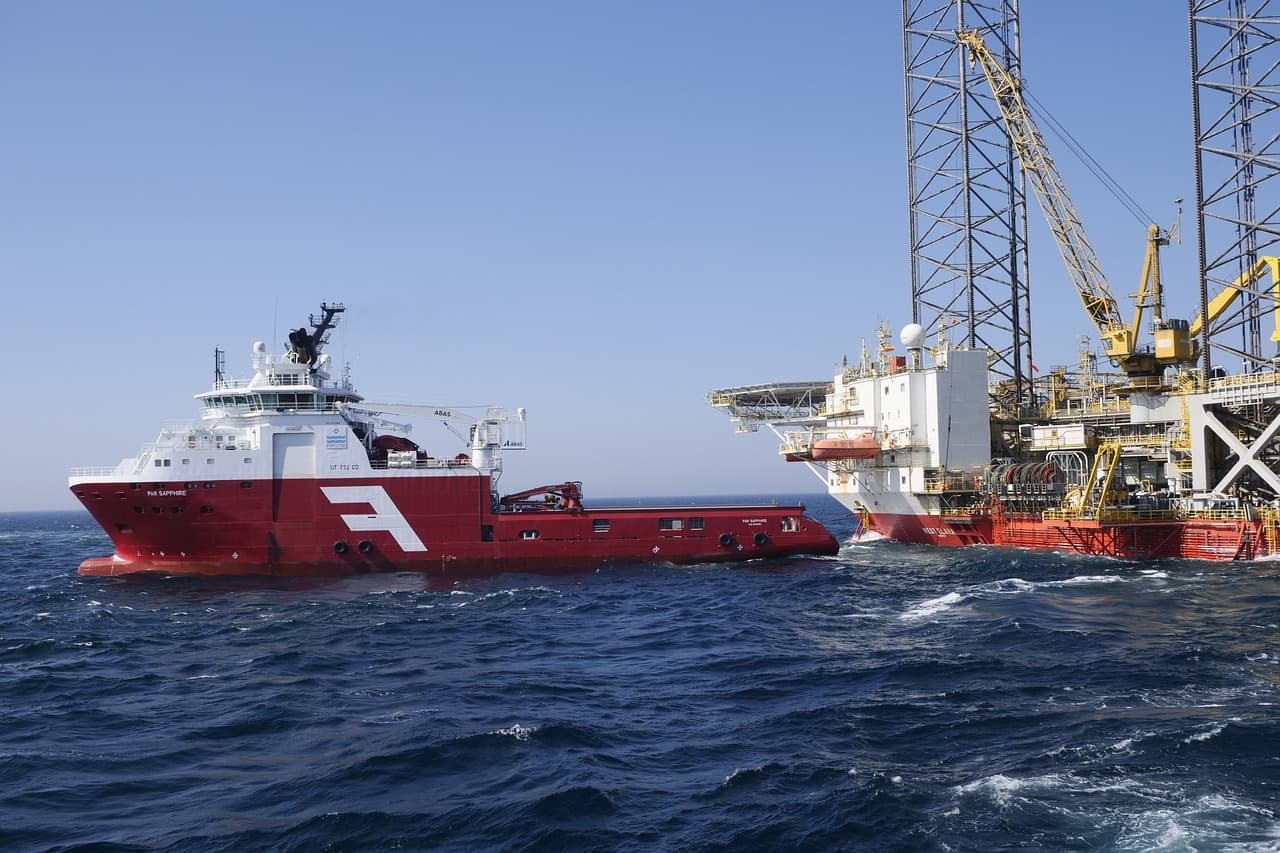
The question hanging over the Rosebank oilfield is whether the government can wave it through and still call itself compliant on climate. According to government insiders, it can: they say the giant North Sea project could be approved without breaching the UK emission targets. The reason is not that the field is clean, but where its oil gets burned.
Why Exported Emissions Fall Outside the Carbon Budgets
The mechanics are simple. Once the oil is exported, the emissions from burning it no longer count against domestic targets, because it is burned abroad. That is the basis on which insiders argue approval would not breach the targets.
That leaves a great deal of room within the numbers. Experts estimate Rosebank could emit 1 million additional tonnes of carbon dioxide by 2042, set against an overall limit of 90 million tonnes. On that arithmetic, the field's direct footprint is a small slice of the remaining budget, which is precisely the calculation insiders are pointing to when they argue approval and net zero commitments can coexist.
The Legal Duty Behind the Decision
If the arithmetic is comfortable, why is energy secretary Miatta Fahnbulleh forced to agonise at all? Because a legal judgment found that the previous environmental consent, given by the Conservative government, was incorrectly issued. A judge ruled in 2024 that ministers should have accounted for emissions not only from drilling for oil at Rosebank, but also from those generated by burning it.
Her obligations are set out in law:
- •She must weigh Britain's commitment under the Paris agreement to take action to prevent global temperatures rising more than 1.5C.
- •She must judge the burning emissions that the earlier consent ignored, following the 2024 ruling.
- •She has already approved the Jackdaw gasfield on the grounds of national energy security, but has said the same concerns do not necessarily apply to Rosebank.
The Climate Case Beyond the Numbers
Those close to the debate argue the real question was never the carbon accounting. "The climate case against was never the direct emissions," one source said, describing the issue as the leadership position of a G7 producer.
Greg Muttitt, a climate researcher at University College, London, has made the counter-case in concrete terms. He said approving Jackdaw was wrong and approving Rosebank would also be wrong, generating around seven times the emissions. Yet he does not believe legal exposure follows: in his view, the UK government is not going to find itself in any international court if it approves Rosebank, because most of the oil will be exported and count towards other countries' emissions.
On the latitude question, one insider said: "Miatta has more latitude than you might think".
The Pressures on Both Sides
Money is pressing from one direction. Sources say the Treasury has already accounted for billions of pounds' worth of tax revenue from Rosebank and would face a shortfall if the project were rejected. Adura, the company operating the field, estimates the tax benefits would be £500m a year by the end of this parliament.
Campaigners are pressing from the other. On Tuesday, Greenpeace and Friends of the Earth wrote to the prime minister urging him to consider the cumulative impacts of big decisions, spanning North Sea drilling, Heathrow expansion and heat pump grants.
For now, the department keeps the decision at arm's length from the politics. A Department for Energy Security and Net Zero spokesperson said: "Any decision will be made through the quasi-judicial process, taking into account all relevant evidence".