• Analysis
Flock cameras backlash: 'Get the Flock out' movement turns AI licence plate readers into a 2026 midterm issue
AI-driven Flock cameras made by Atlanta-based Flock Safety are spreading across the US, and the backlash against them has grown into bipartisan, citizen-led campaigns ahead of the 2026 midterms.
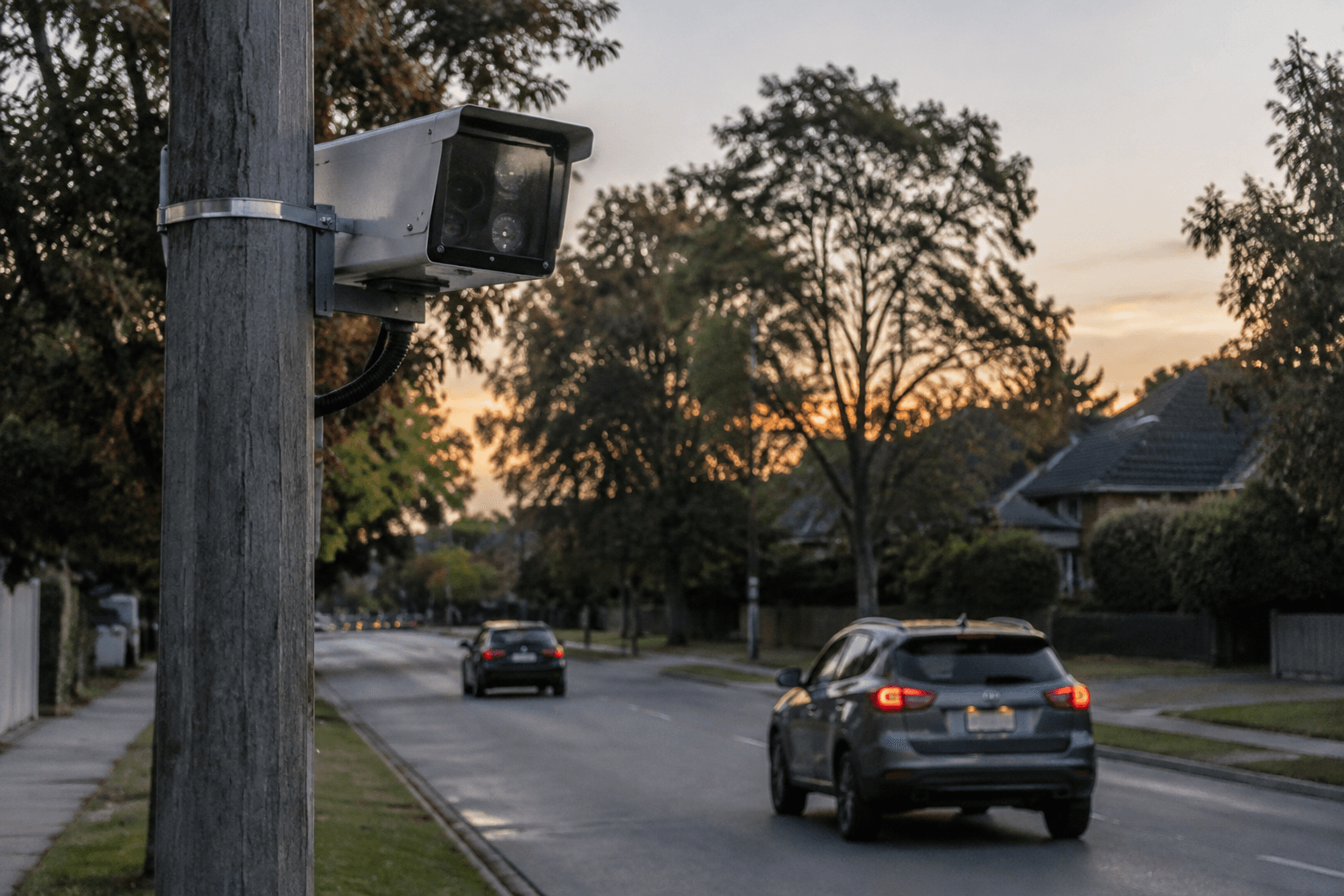
The cameras sit on poles at intersections and in parking lots, quietly reading plates. Their maker, Flock Safety, was started in 2017 by three alumni of the Georgia Institute of Technology, and its AI-driven cameras made by the Atlanta-based company are now sprouting up across the US, sparking alarm and citizen-driven campaigns - with the flock cameras backlash running on both sides of the political aisle.
What the Flock cameras do and who is pushing back
Each camera scans licence plates and captures, analyses and stores details of passing vehicles, including location, time, car models and bumper stickers. That data trail is what has drawn opposition - and a decentralised movement called DeFlock now tracks where the AI surveillance cameras stand.
Among its coordinators is Noah, a 27-year-old software engineer in an Atlanta exurb who volunteers with DeFlock Cherokee, a local chapter of the larger movement. His chapter helped build a user-generated app that pinpoints camera locations; the website launched a couple of months ago and, as he put it, everyone started flooding in to help.
Avoiding the cameras is not easy. An Atlanta-area journalist who tried the app could not find a Flock-free route in reasonable time on a working day because a camera sat at a key intersection.
I truly think that this is the most observed that Americans have ever been in political history
Noah said, adding that he views Flock as a major step toward surveillance states.
Misuse cases from Georgia to Dallas
The privacy objections gained force through a string of cases in which officials allegedly abused access to the licence plate readers.
- •In August, the Cherokee County Sheriff's Office arrested and fired Jerry Shellhouse, 57, a fourth deputy, for allegedly misusing Flock licence plate readers.
- •A USA TODAY investigative team found Shellhouse had searched one tag at least 840 times.
- •Cherokee County authorities said he misused the Automated License Plate Reader system between October 2023 and December 2025, before policy updates added audits and access limits.
- •Cherokee, a county with a population of around 260,000, thus accounted for four fired deputies.
- •In Dallas, a 911 emergency response director was arrested and fired after searching more than 2,500 times for cars belonging to her estranged husband and his new girlfriend.
- •A September Washington Post report found at least 100 police department employees across the US charged with or accused of misusing licence-plate readers.
- •In April, the police chief of Jefferson, a northern Atlanta suburb, died by suicide before he could face trial for stalking his former girlfriend, according to local officials. Text messages showed him confessing to being "on a spiral" and promising never to "look again" at the Flock database.
According to InvestigateTV, Flock changed its systems last year to make officers' misuse more difficult for the public to unearth.
A campaign issue in Georgia's governor race
The issue reached Georgia's only televised debate in the gubernatorial race to replace outgoing Republican Governor Brian Kemp, where candidates were pressed on Flock cameras.
Democrat Keisha Lance Bottoms said the technology has outpaced policy and that she was not opposed to a moratorium on Flock cameras. Republican Rick Johnson took the opposite line: he would not impose a moratorium because he did not want crime to rise, saying there's 15 people at Georgia Tech that can solve this in one week. Johnson, described as a billionaire, has business connections with a Texas data centre that have been under scrutiny in the Atlanta press.
Residents, the company and the road ahead
In Woodstock, residents have made their objections local and personal. Chanel Dennis, 46, called the cameras an invasion of privacy that shouldn't be allowed, saying people are using it for not the purposes it's intended, and objected to being taxed to provide services from private companies.
It's an invasion of privacy that shouldn't be allowed and people are using it for not the purposes it's intended
Fellow Woodstock resident Zeke Sims said he does not support the surveillance and the misuse of Flock cameras, and both he and Dennis called it an election issue.
Flock's public position stresses safeguards. Paris Lewbel, the company's PR manager, said Flock is committed to setting a baseline for where safeguards and transparency for the industry should be and welcomes local regulation of public safety technology.
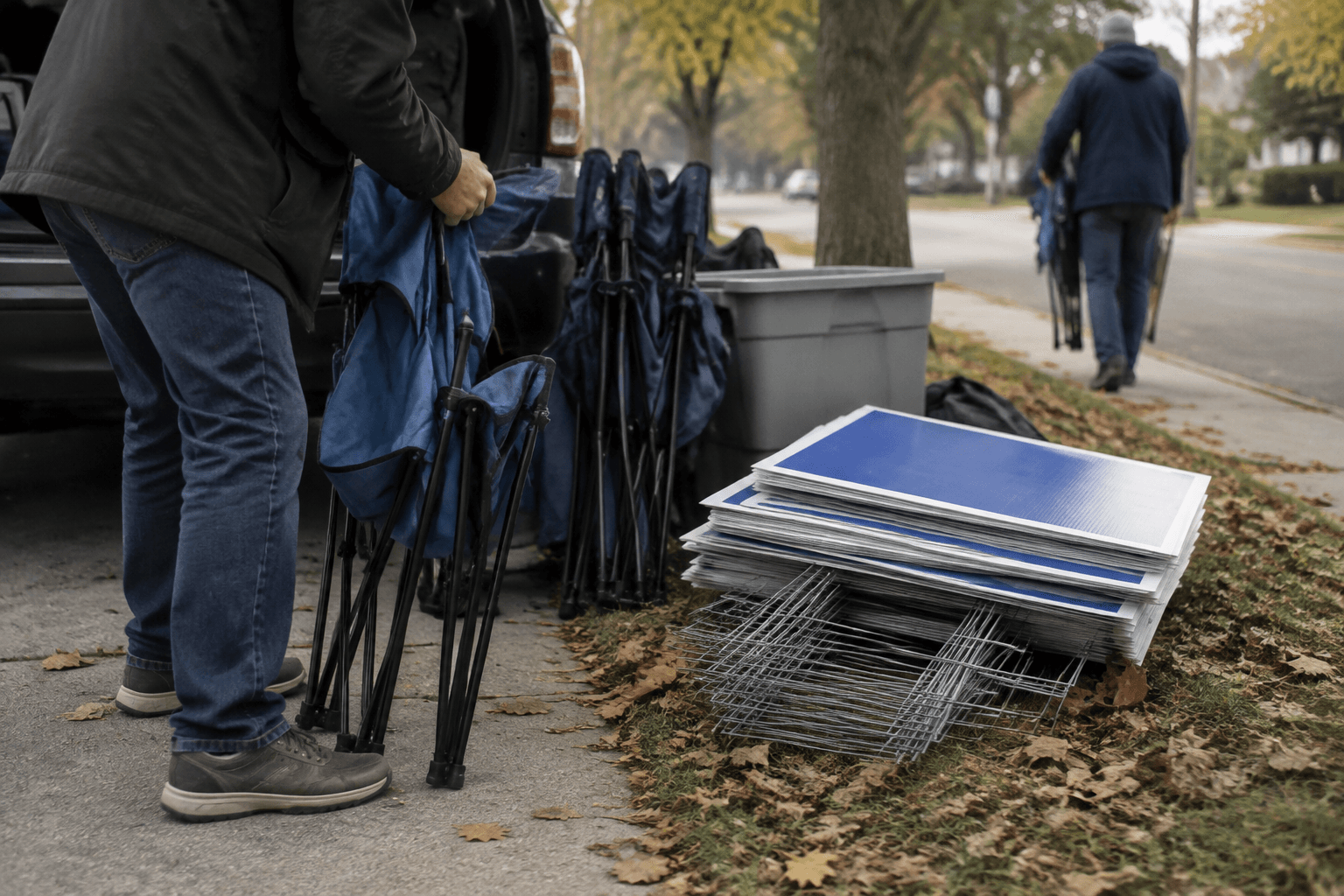
The opposition has taken creative and sometimes satirical forms. On social media, videos show opponents how to place signs, attached to household items such as mops and rakes, to block Flock camera lenses, often under "Get the Flock out" signs - though some destruction videos are AI-generated spoofs. At a San Francisco council meeting this summer, a resident dressed as Darth Vader sarcastically backed the cameras, joking he needed them to stalk his ex-girlfriend.
Noah said one of the craziest things about this movement is just how bipartisan it is, uniting people across the aisle in distrust of government surveillance.
The debate over effectiveness continues alongside the privacy backlash. A recent working paper by researchers at the University of South Carolina found ALPR networks reduced motor theft, but the Arlington, Virginia-based Institute for Justice disputed the study. Meanwhile, around 70% of US citizens and residents oppose the construction of data centres over energy, water, contamination, noise and other environmental concerns - a sign, organisers say, that surveillance and data infrastructure worries cross party lines.
For now, the movement's next step is persuasion rather than politics. Noah urged people to be loud, to tell their neighbours about it and to educate and inform them, because most people don't know.