Saturday, October 24, 2026

english

HAUT MONDE

POST

Technology

• Analysis

Blue Planet III uses cloudier footage to show series is authentic amid AI boom

Blue Planet III, narrated by David Attenborough, deliberately keeps cloudier, less polished footage so viewers trust it is authentic, its producers said as AI-generated imagery spreads. The series starts on Sunday 1 November on BBC1 and iPlayer.

By Haut Monde Post

• October 24, 2026

• 3 Min Read
Blue Planet III uses cloudier footage to show series is authentic amid AI boom

Why imperfect footage now

The producers of Blue Planet III say the series deliberately keeps cloudier, less polished images so that viewers can be sure what they are watching is authentic at a time when AI-generated footage is spreading. Executive producer Elizabeth White said the rise of AI makes the team want to be even more authentic, adding that deep-ocean creatures are probably more remarkable than AI could imagine and completely real.

As AI booms we will probably lean more into the more organic

White said the team once might have framed out a boat or a buoy, or decided the water conditions were not good enough, but now leaves such elements in to lean into authenticity.

'No gen AI was used'

Jack Bootle, the BBC's specialist factual commissioning head, told journalists at a press screening that every frame in the series is real photography.

No gen AI was used in this series. Not a single frame. It's all real photography.

Bootle also said that sometimes people feel like they have seen it all before, and that this series is bursting with novel behaviour.

New filming technology and behaviour

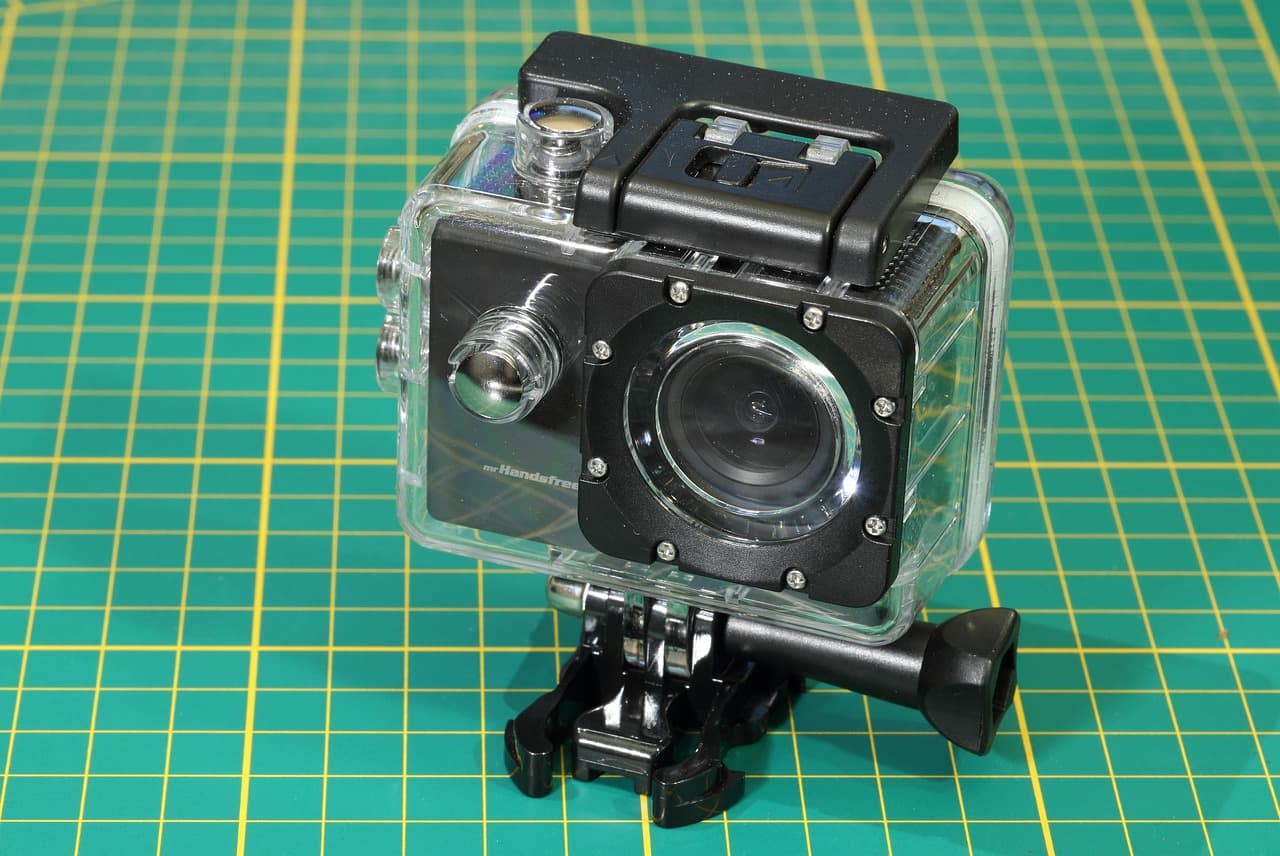
Filming lasted four years across five oceans, and series producer Lara Bickerton said BBC Studios continually innovated. The equipment included the world's first underwater CCTV camera, dubbed "stonefish" cam, developed by producer and director Yoland Bosiger.

  • •A mini-dome camera to follow an octopus
  • •A deep-sea selfie stick
  • •Leg-mounted scooters for operators to shoot TikTok-style diving footage
  • •Lasers to film deep-sea creatures

Among the behaviour caught on camera: dolphins that plug holes in coral with sea sponges so fish hiding there become easy prey, filmed with the underwater CCTV system Bosiger developed; grouper signalling to a second fish species while hunting; 200,000 crabs massing in formation to feed; sea urchins sheltering under shells as sun hats; and penguin scenes recalling the Planet Earth II iguana v snakes sequence.

Threats to the ocean and Attenborough's role

White said the series addresses threats to the ocean and its resilience, including the climate crisis killing off the sea where anemone clown fish live, and continuing plastic concerns through a story about pollutants and forever chemicals. The series arrives nearly a decade after Blue Planet II highlighted plastic pollution and 25 years after the first Blue Planet aired.

Bosiger said Attenborough, who is 100 years old, was very much involved and made changes to scripts. White said he has not lost his curiosity and is still excited when shown new footage. Asked whether the BBC's £500m cost-cutting drive would affect its natural history reputation, White said she could not comment but noted Blue Planet III saved money by using more local crews on location than in previous series.

Blue Planet III starts on Sunday 1 November on BBC1 and iPlayer.

HAUT MONDE POST

Independent journalism of the highest standard. A chronicle of world culture, politics, arts, and public thought.

Publication

AboutEditorial

Newsletter

Get the best Haut Monde Post content delivered to your inbox every week.

© 2026 Haut Monde Post. All rights reserved. Digital edition hautmondepost.com.

Saturday, Oct 24, 2026

english

Technology

• Analysis

Blue Planet III uses cloudier footage to show series is authentic amid AI boom

Blue Planet III, narrated by David Attenborough, deliberately keeps cloudier, less polished footage so viewers trust it is authentic, its producers said as AI-generated imagery spreads. The series starts on Sunday 1 November on BBC1 and iPlayer.

By Haut Monde Post

Oct 24, 2026 • 3 Min Read

Blue Planet III uses cloudier footage to show series is authentic amid AI boom

Why imperfect footage now

The producers of Blue Planet III say the series deliberately keeps cloudier, less polished images so that viewers can be sure what they are watching is authentic at a time when AI-generated footage is spreading. Executive producer Elizabeth White said the rise of AI makes the team want to be even more authentic, adding that deep-ocean creatures are probably more remarkable than AI could imagine and completely real.

As AI booms we will probably lean more into the more organic

White said the team once might have framed out a boat or a buoy, or decided the water conditions were not good enough, but now leaves such elements in to lean into authenticity.

'No gen AI was used'

Jack Bootle, the BBC's specialist factual commissioning head, told journalists at a press screening that every frame in the series is real photography.

No gen AI was used in this series. Not a single frame. It's all real photography.

Bootle also said that sometimes people feel like they have seen it all before, and that this series is bursting with novel behaviour.

New filming technology and behaviour

Filming lasted four years across five oceans, and series producer Lara Bickerton said BBC Studios continually innovated. The equipment included the world's first underwater CCTV camera, dubbed "stonefish" cam, developed by producer and director Yoland Bosiger.

  • •A mini-dome camera to follow an octopus
  • •A deep-sea selfie stick
  • •Leg-mounted scooters for operators to shoot TikTok-style diving footage
  • •Lasers to film deep-sea creatures

Among the behaviour caught on camera: dolphins that plug holes in coral with sea sponges so fish hiding there become easy prey, filmed with the underwater CCTV system Bosiger developed; grouper signalling to a second fish species while hunting; 200,000 crabs massing in formation to feed; sea urchins sheltering under shells as sun hats; and penguin scenes recalling the Planet Earth II iguana v snakes sequence.

Threats to the ocean and Attenborough's role

White said the series addresses threats to the ocean and its resilience, including the climate crisis killing off the sea where anemone clown fish live, and continuing plastic concerns through a story about pollutants and forever chemicals. The series arrives nearly a decade after Blue Planet II highlighted plastic pollution and 25 years after the first Blue Planet aired.

Bosiger said Attenborough, who is 100 years old, was very much involved and made changes to scripts. White said he has not lost his curiosity and is still excited when shown new footage. Asked whether the BBC's £500m cost-cutting drive would affect its natural history reputation, White said she could not comment but noted Blue Planet III saved money by using more local crews on location than in previous series.

Blue Planet III starts on Sunday 1 November on BBC1 and iPlayer.
HAUT MONDE POST

Independent journalism of the highest standard. A chronicle of world culture, politics, arts, and public thought. Published and printed daily in Paris, France.

Publication

AboutEditorial

Newsletter

Get the best Haut Monde Post content delivered to your inbox every week.

© 2026 Haut Monde Post. All rights reserved. Digital edition hautmondepost.com. Published in Paris.

Saturday, Oct 24, 2026

english

Technology

• Analysis

Blue Planet III uses cloudier footage to show series is authentic amid AI boom

Blue Planet III, narrated by David Attenborough, deliberately keeps cloudier, less polished footage so viewers trust it is authentic, its producers said as AI-generated imagery spreads. The series starts on Sunday 1 November on BBC1 and iPlayer.

By Haut Monde Post

Oct 24, 2026 • 3 Min Read

Blue Planet III uses cloudier footage to show series is authentic amid AI boom

Why imperfect footage now

The producers of Blue Planet III say the series deliberately keeps cloudier, less polished images so that viewers can be sure what they are watching is authentic at a time when AI-generated footage is spreading. Executive producer Elizabeth White said the rise of AI makes the team want to be even more authentic, adding that deep-ocean creatures are probably more remarkable than AI could imagine and completely real.

As AI booms we will probably lean more into the more organic

White said the team once might have framed out a boat or a buoy, or decided the water conditions were not good enough, but now leaves such elements in to lean into authenticity.

'No gen AI was used'

Jack Bootle, the BBC's specialist factual commissioning head, told journalists at a press screening that every frame in the series is real photography.

No gen AI was used in this series. Not a single frame. It's all real photography.

Bootle also said that sometimes people feel like they have seen it all before, and that this series is bursting with novel behaviour.

New filming technology and behaviour

Filming lasted four years across five oceans, and series producer Lara Bickerton said BBC Studios continually innovated. The equipment included the world's first underwater CCTV camera, dubbed "stonefish" cam, developed by producer and director Yoland Bosiger.

  • •A mini-dome camera to follow an octopus
  • •A deep-sea selfie stick
  • •Leg-mounted scooters for operators to shoot TikTok-style diving footage
  • •Lasers to film deep-sea creatures

Among the behaviour caught on camera: dolphins that plug holes in coral with sea sponges so fish hiding there become easy prey, filmed with the underwater CCTV system Bosiger developed; grouper signalling to a second fish species while hunting; 200,000 crabs massing in formation to feed; sea urchins sheltering under shells as sun hats; and penguin scenes recalling the Planet Earth II iguana v snakes sequence.

Threats to the ocean and Attenborough's role

White said the series addresses threats to the ocean and its resilience, including the climate crisis killing off the sea where anemone clown fish live, and continuing plastic concerns through a story about pollutants and forever chemicals. The series arrives nearly a decade after Blue Planet II highlighted plastic pollution and 25 years after the first Blue Planet aired.

Bosiger said Attenborough, who is 100 years old, was very much involved and made changes to scripts. White said he has not lost his curiosity and is still excited when shown new footage. Asked whether the BBC's £500m cost-cutting drive would affect its natural history reputation, White said she could not comment but noted Blue Planet III saved money by using more local crews on location than in previous series.

Blue Planet III starts on Sunday 1 November on BBC1 and iPlayer.