Sunday, November 29, 2026

english

HAUT MONDE

POST

World

• Analysis

New US tariffs of up to 20 percent draw pushback from China, EU and Japan

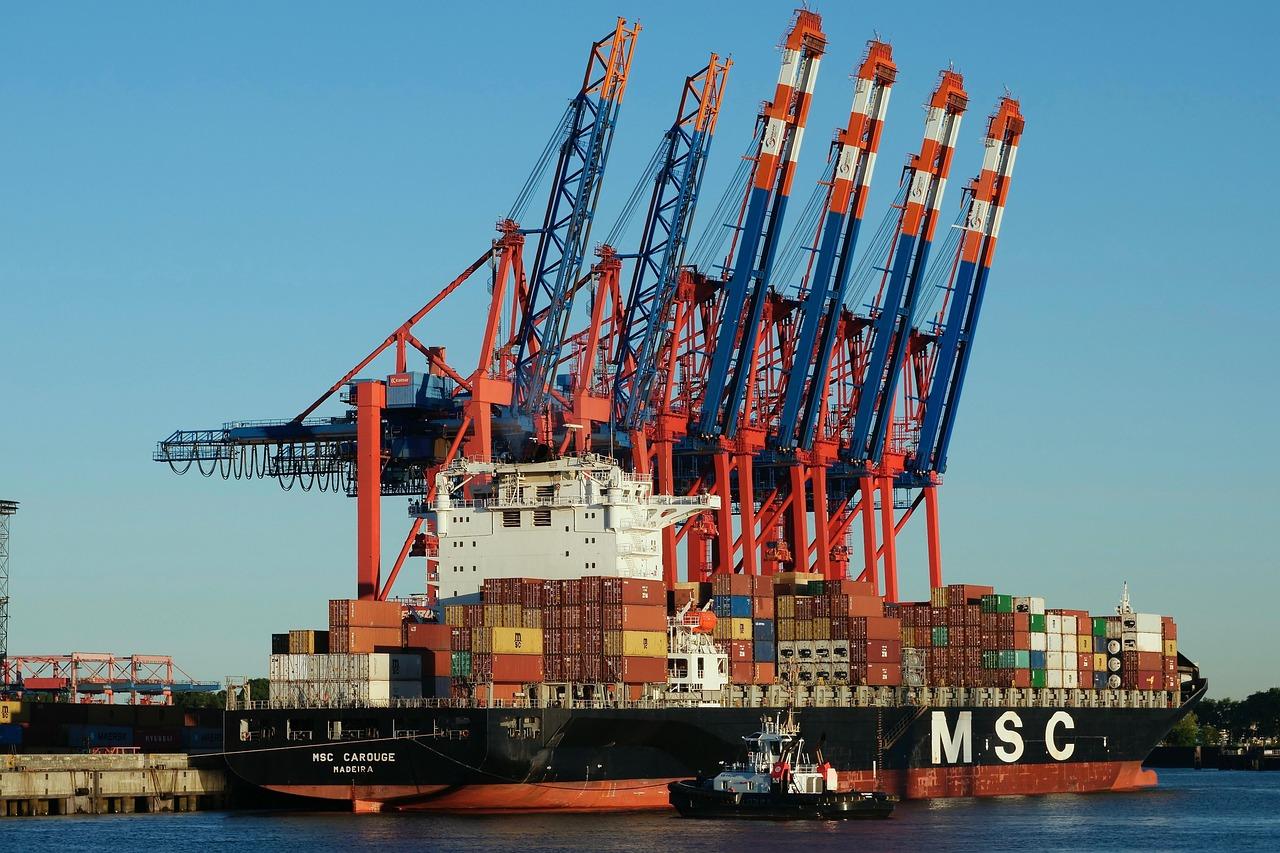
China, the EU and other major trading partners criticised new US tariffs of up to 20 percent proposed by President Donald Trump on Thursday after a probe into alleged global overcapacity.
By Haut Monde Post

• November 26, 2026

• 4 Min Read

New US tariffs of up to 20 percent draw pushback from China, EU and Japan

Pushback from trading partners

Washington's trading partners moved quickly to reject the measures. The European Union rejected the premise of the new tariffs and said it expected the United States to stick by a deal struck last year. European Commission spokesman Olof Gill said the two sides share the underlying worry but regretted the absence of joint action.

"The EU and the US share a real concern about global overcapacity."

Japan denied having excess production, and top government spokesman Minoru Kihara said: "It is regrettable that a proposed measure targeting Japan has been announced in spite of this". Singapore said on Thursday it was very disappointed and denied protecting its domestic market or subsidizing manufacturing. China's foreign ministry, before the official announcement, warned Washington not to engage in "tariff wars and trade wars".

The US Trade Representative separately proposed additional tariffs on goods from Brazil, including aircraft, over alleged inaction on US trade concerns. Brazil's presidential office called the measures "unacceptable" and said Brasilia would "not yield to this type of threat".

What the tariffs cover

The levies follow a months-long US investigation into alleged excess production, launched days after the Supreme Court struck down Trump's previous duties. Rates vary by economy, according to the USTR's office:

  • •China and Vietnam face 20 percent
  • •Cambodia and Indonesia face 18 percent
  • •India faces 17 percent
  • •The EU, South Korea and Taiwan, which have US trade deals, will see tariffs broadly capped at 15 percent

Other targeted economies include Bangladesh, Japan, Malaysia, Singapore, Switzerland and Thailand. The proposals face a period of public comment before taking effect, at the earliest in January. The senior US official said the overcapacity concerns span sectors from batteries to cement, chemicals and processed food.

Washington's case

A senior US official, speaking anonymously, said the proposals sought to take existing trade deals into account, and that the new levies will not stack on top of sector-specific tariffs on items like automobiles and steel. Where both the forced labor and excess production tariffs apply, the official said the levies would not stack up and the higher rate will prevail.

US Trade Representative Jamieson Greer, speaking to CNBC, framed the China tariffs of 20 percent as part of ongoing talks with Beijing: "China understands that we're going to have some level of tariffs. This falls within that understanding". He said Washington was offering China exemptions on around $30 billion of goods.

The legal backdrop matters: the Supreme Court struck down Trump's global tariffs in February, though his sector-specific duties remain intact. In July, Trump imposed a separate wave of tariffs on 60 economies, accusing them of insufficient action against forced labor.

Economic backdrop

The duties could squeeze US businesses further, with firms now likelier to pass on expenses to consumers already frustrated with the high cost of living. Affordability was key in this month's midterms, in which Trump's Republican Party was swept out of power in both chambers of Congress by Democrats.

The announcement also came as data showed the Federal Reserve's preferred inflation gauge at a three-year high in October, adding pressure to hike rates.

Trade lawyer Ryan Majerus expects the probe to be among the most important actions for the Trump administration. Factories with excess capacity abroad "never get turned off, even if there's no demand," he said, risking oversupply, depressed prices and a hollowing out of US manufacturing.

The proposals now enter a period of public comment before any effect, which the USTR's office says would come at the earliest in January.

HAUT MONDE POST

Independent journalism of the highest standard. A chronicle of world culture, politics, arts, and public thought.

Publication

AboutEditorial

Newsletter

Get the best Haut Monde Post content delivered to your inbox every week.

© 2026 Haut Monde Post. All rights reserved. Digital edition hautmondepost.com.

Sunday, Nov 29, 2026

english

World

• Analysis

New US tariffs of up to 20 percent draw pushback from China, EU and Japan

China, the EU and other major trading partners criticised new US tariffs of up to 20 percent proposed by President Donald Trump on Thursday after a probe into alleged global overcapacity.

By Haut Monde Post

Nov 26, 2026 • 4 Min Read
New US tariffs of up to 20 percent draw pushback from China, EU and Japan

Pushback from trading partners

Washington's trading partners moved quickly to reject the measures. The European Union rejected the premise of the new tariffs and said it expected the United States to stick by a deal struck last year. European Commission spokesman Olof Gill said the two sides share the underlying worry but regretted the absence of joint action.

"The EU and the US share a real concern about global overcapacity."

Japan denied having excess production, and top government spokesman Minoru Kihara said: "It is regrettable that a proposed measure targeting Japan has been announced in spite of this". Singapore said on Thursday it was very disappointed and denied protecting its domestic market or subsidizing manufacturing. China's foreign ministry, before the official announcement, warned Washington not to engage in "tariff wars and trade wars".

The US Trade Representative separately proposed additional tariffs on goods from Brazil, including aircraft, over alleged inaction on US trade concerns. Brazil's presidential office called the measures "unacceptable" and said Brasilia would "not yield to this type of threat".

What the tariffs cover

The levies follow a months-long US investigation into alleged excess production, launched days after the Supreme Court struck down Trump's previous duties. Rates vary by economy, according to the USTR's office:

  • •China and Vietnam face 20 percent
  • •Cambodia and Indonesia face 18 percent
  • •India faces 17 percent
  • •The EU, South Korea and Taiwan, which have US trade deals, will see tariffs broadly capped at 15 percent

Other targeted economies include Bangladesh, Japan, Malaysia, Singapore, Switzerland and Thailand. The proposals face a period of public comment before taking effect, at the earliest in January. The senior US official said the overcapacity concerns span sectors from batteries to cement, chemicals and processed food.

Washington's case

A senior US official, speaking anonymously, said the proposals sought to take existing trade deals into account, and that the new levies will not stack on top of sector-specific tariffs on items like automobiles and steel. Where both the forced labor and excess production tariffs apply, the official said the levies would not stack up and the higher rate will prevail.

US Trade Representative Jamieson Greer, speaking to CNBC, framed the China tariffs of 20 percent as part of ongoing talks with Beijing: "China understands that we're going to have some level of tariffs. This falls within that understanding". He said Washington was offering China exemptions on around $30 billion of goods.

The legal backdrop matters: the Supreme Court struck down Trump's global tariffs in February, though his sector-specific duties remain intact. In July, Trump imposed a separate wave of tariffs on 60 economies, accusing them of insufficient action against forced labor.

Economic backdrop

The duties could squeeze US businesses further, with firms now likelier to pass on expenses to consumers already frustrated with the high cost of living. Affordability was key in this month's midterms, in which Trump's Republican Party was swept out of power in both chambers of Congress by Democrats.

The announcement also came as data showed the Federal Reserve's preferred inflation gauge at a three-year high in October, adding pressure to hike rates.

Trade lawyer Ryan Majerus expects the probe to be among the most important actions for the Trump administration. Factories with excess capacity abroad "never get turned off, even if there's no demand," he said, risking oversupply, depressed prices and a hollowing out of US manufacturing.

The proposals now enter a period of public comment before any effect, which the USTR's office says would come at the earliest in January.
HAUT MONDE POST

Independent journalism of the highest standard. A chronicle of world culture, politics, arts, and public thought. Published and printed daily in Paris, France.

Publication

AboutEditorial

Newsletter

Get the best Haut Monde Post content delivered to your inbox every week.

© 2026 Haut Monde Post. All rights reserved. Digital edition hautmondepost.com. Published in Paris.

Sunday, Nov 29, 2026

english

World

• Analysis

New US tariffs of up to 20 percent draw pushback from China, EU and Japan

China, the EU and other major trading partners criticised new US tariffs of up to 20 percent proposed by President Donald Trump on Thursday after a probe into alleged global overcapacity.

By Haut Monde Post

New US tariffs of up to 20 percent draw pushback from China, EU and Japan

Pushback from trading partners

Washington's trading partners moved quickly to reject the measures. The European Union rejected the premise of the new tariffs and said it expected the United States to stick by a deal struck last year. European Commission spokesman Olof Gill said the two sides share the underlying worry but regretted the absence of joint action.

"The EU and the US share a real concern about global overcapacity."

Japan denied having excess production, and top government spokesman Minoru Kihara said: "It is regrettable that a proposed measure targeting Japan has been announced in spite of this". Singapore said on Thursday it was very disappointed and denied protecting its domestic market or subsidizing manufacturing. China's foreign ministry, before the official announcement, warned Washington not to engage in "tariff wars and trade wars".

The US Trade Representative separately proposed additional tariffs on goods from Brazil, including aircraft, over alleged inaction on US trade concerns. Brazil's presidential office called the measures "unacceptable" and said Brasilia would "not yield to this type of threat".

What the tariffs cover

The levies follow a months-long US investigation into alleged excess production, launched days after the Supreme Court struck down Trump's previous duties. Rates vary by economy, according to the USTR's office:

  • •China and Vietnam face 20 percent
  • •Cambodia and Indonesia face 18 percent
  • •India faces 17 percent
  • •The EU, South Korea and Taiwan, which have US trade deals, will see tariffs broadly capped at 15 percent

Other targeted economies include Bangladesh, Japan, Malaysia, Singapore, Switzerland and Thailand. The proposals face a period of public comment before taking effect, at the earliest in January. The senior US official said the overcapacity concerns span sectors from batteries to cement, chemicals and processed food.

Washington's case

A senior US official, speaking anonymously, said the proposals sought to take existing trade deals into account, and that the new levies will not stack on top of sector-specific tariffs on items like automobiles and steel. Where both the forced labor and excess production tariffs apply, the official said the levies would not stack up and the higher rate will prevail.

US Trade Representative Jamieson Greer, speaking to CNBC, framed the China tariffs of 20 percent as part of ongoing talks with Beijing: "China understands that we're going to have some level of tariffs. This falls within that understanding". He said Washington was offering China exemptions on around $30 billion of goods.

The legal backdrop matters: the Supreme Court struck down Trump's global tariffs in February, though his sector-specific duties remain intact. In July, Trump imposed a separate wave of tariffs on 60 economies, accusing them of insufficient action against forced labor.

Economic backdrop

The duties could squeeze US businesses further, with firms now likelier to pass on expenses to consumers already frustrated with the high cost of living. Affordability was key in this month's midterms, in which Trump's Republican Party was swept out of power in both chambers of Congress by Democrats.

The announcement also came as data showed the Federal Reserve's preferred inflation gauge at a three-year high in October, adding pressure to hike rates.

Trade lawyer Ryan Majerus expects the probe to be among the most important actions for the Trump administration. Factories with excess capacity abroad "never get turned off, even if there's no demand," he said, risking oversupply, depressed prices and a hollowing out of US manufacturing.

The proposals now enter a period of public comment before any effect, which the USTR's office says would come at the earliest in January.