Sunday, November 29, 2026

english

HAUT MONDE

POST

World

• Analysis

Brazil Rejects Trump Tariff Threat as China Denounces US Levies

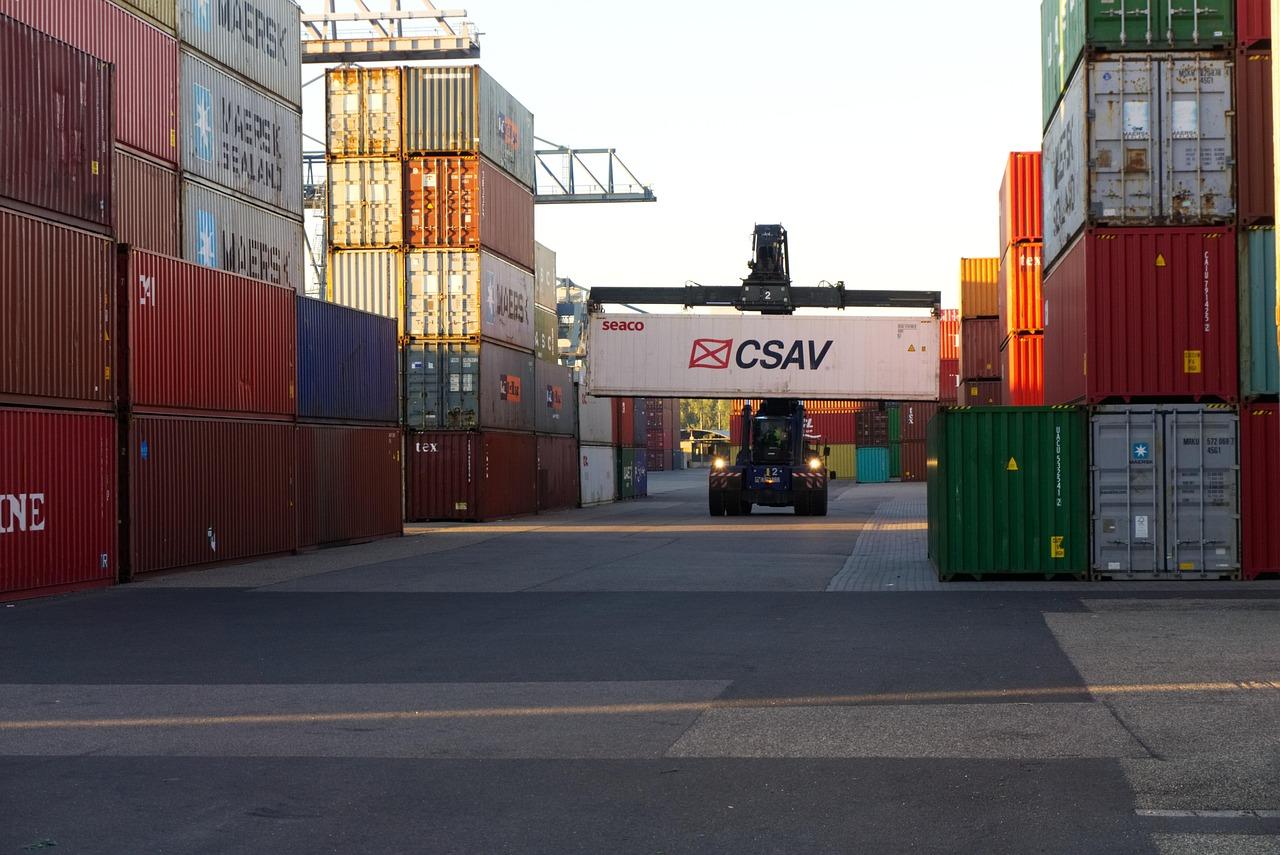
Brazil said on Wednesday it will not yield to Donald Trump's tariff threat against 14 major trading partners, while China dismissed allegations against it as baseless. Washington's proposal raises import taxes on Brazilian sugar and imposes a 10% tariff on aircraft.
By Haut Monde Post

• November 26, 2026

• 4 Min Read

Brazil Rejects Trump Tariff Threat as China Denounces US Levies

Brazil's response

Brazil has rejected the new Trump tariffs announced against 14 major trading partners, saying it will not bend to what its government called a threat. In a statement on Wednesday, Brasília described the unilateral decision as unacceptable within the ongoing bilateral negotiating process.

Brazil will not yield to this type of threat

The government singled out two measures for particular indignation: higher import taxes on raw and refined sugar, and a new 10% tariff on aircraft - a change that would hit Embraer, Brazil's largest aircraft maker. Brazil was singled out in the announcement after trade talks stalled.

Brazil said it would keep negotiating while:

  • •refusing to rule out the possibility of adopting retaliatory measures in response to tariffs on Brazilian products
  • •continuing to pursue a resolution through the bilateral negotiating process

What the Trump tariffs propose

The Trump administration claimed on Wednesday the new tariffs would be consistent with trade deals the US reached last year with dozens of countries. They are imposed under a law allowing the president to target countries the US had found to engage in unreasonable or discriminatory trade practices.

US trade representative Jamieson Greer told CNBC that many trading partners had adopted market-distorting practices that tilt the trade balance in their favour while eroding America's manufacturing base.

China would face the highest capped rate of 20%, which in some cases stacks on other import taxes for a total rate of 45%. The US-China trade truce reached last year is set to expire on 10 January 2027. Greer said the administration is proposing a broad exemption for $30bn worth of Chinese goods in line with the deal, saying: "I think a lot of this is baked in."

The administration will seek industry feedback and hold a hearing on 25 January, suggesting the final duties will not take effect until February or March.

China and other partners push back

A spokesperson for China's embassy in Washington rejected the allegation that China was a source of excess capacity, without threatening retaliation: "The so-called issue of 'industrial overcapacity' does not really exist and should not be used as a pretext for political manipulation". The spokesperson urged both sides to jointly deliver on agreements secured between Donald Trump and Chinese leader Xi Jinping.

Chinese foreign ministry spokesperson Guo Jiakun called for resolution through dialogue, saying: "A tariff war or a trade war serves no party's interests".

Other partners also responded:

  • •Vietnam's trade ministry said it was working with the US to complete its trade deal as soon as possible and preparing and submitting rebuttal comments on the preliminary findings.
  • •India denied it had any structural excess capacity in any sector and said it remained committed to an early conclusion of a trade deal with the US. Greer has said the tariff on Indian imports would be capped at 17% if a trade deal was struck.
  • •Taipei said on Thursday it was confident it would keep its existing 15% tariff rate, having signed trade deals with Washington in January and February of this year; those deals secured preferential treatment for semiconductors and other tech products which account for over 70% of Taiwan's exports to the US.
  • •Japan's top government spokesman Minoru Kihara said it was "regrettable that a proposed measure targeting Japan has been announced".

Other countries and regions affected include Bangladesh, Cambodia, the European Union, Indonesia, Japan, South Korea, Malaysia, Singapore, Switzerland, and Thailand.

Political outlook in Washington

The Trump tariffs may persist despite the Democrats' midterm electoral sweep, since Trump can veto any legislation that seeks to overturn the import taxes, and some Democrats may support tariffs on China.

Democratic Senator Ron Wyden of Oregon, who will take over the finance committee next year, said he would "use every tool at my disposal to end Trump's tariffs chaos." He called the move another blatant attempt by Donald Trump to reconstruct his illegal global tariffs, arguing that unilateral price-hiking tariffs are not the solution to global overcapacity.

HAUT MONDE POST

Independent journalism of the highest standard. A chronicle of world culture, politics, arts, and public thought.

Publication

AboutEditorial

Newsletter

Get the best Haut Monde Post content delivered to your inbox every week.

© 2026 Haut Monde Post. All rights reserved. Digital edition hautmondepost.com.

Sunday, Nov 29, 2026

english

World

• Analysis

Brazil Rejects Trump Tariff Threat as China Denounces US Levies

Brazil said on Wednesday it will not yield to Donald Trump's tariff threat against 14 major trading partners, while China dismissed allegations against it as baseless. Washington's proposal raises import taxes on Brazilian sugar and imposes a 10% tariff on aircraft.

By Haut Monde Post

Nov 26, 2026 • 4 Min Read
Brazil Rejects Trump Tariff Threat as China Denounces US Levies

Brazil's response

Brazil has rejected the new Trump tariffs announced against 14 major trading partners, saying it will not bend to what its government called a threat. In a statement on Wednesday, Brasília described the unilateral decision as unacceptable within the ongoing bilateral negotiating process.

Brazil will not yield to this type of threat

The government singled out two measures for particular indignation: higher import taxes on raw and refined sugar, and a new 10% tariff on aircraft - a change that would hit Embraer, Brazil's largest aircraft maker. Brazil was singled out in the announcement after trade talks stalled.

Brazil said it would keep negotiating while:

  • •refusing to rule out the possibility of adopting retaliatory measures in response to tariffs on Brazilian products
  • •continuing to pursue a resolution through the bilateral negotiating process

What the Trump tariffs propose

The Trump administration claimed on Wednesday the new tariffs would be consistent with trade deals the US reached last year with dozens of countries. They are imposed under a law allowing the president to target countries the US had found to engage in unreasonable or discriminatory trade practices.

US trade representative Jamieson Greer told CNBC that many trading partners had adopted market-distorting practices that tilt the trade balance in their favour while eroding America's manufacturing base.

China would face the highest capped rate of 20%, which in some cases stacks on other import taxes for a total rate of 45%. The US-China trade truce reached last year is set to expire on 10 January 2027. Greer said the administration is proposing a broad exemption for $30bn worth of Chinese goods in line with the deal, saying: "I think a lot of this is baked in."

The administration will seek industry feedback and hold a hearing on 25 January, suggesting the final duties will not take effect until February or March.

China and other partners push back

A spokesperson for China's embassy in Washington rejected the allegation that China was a source of excess capacity, without threatening retaliation: "The so-called issue of 'industrial overcapacity' does not really exist and should not be used as a pretext for political manipulation". The spokesperson urged both sides to jointly deliver on agreements secured between Donald Trump and Chinese leader Xi Jinping.

Chinese foreign ministry spokesperson Guo Jiakun called for resolution through dialogue, saying: "A tariff war or a trade war serves no party's interests".

Other partners also responded:

  • •Vietnam's trade ministry said it was working with the US to complete its trade deal as soon as possible and preparing and submitting rebuttal comments on the preliminary findings.
  • •India denied it had any structural excess capacity in any sector and said it remained committed to an early conclusion of a trade deal with the US. Greer has said the tariff on Indian imports would be capped at 17% if a trade deal was struck.
  • •Taipei said on Thursday it was confident it would keep its existing 15% tariff rate, having signed trade deals with Washington in January and February of this year; those deals secured preferential treatment for semiconductors and other tech products which account for over 70% of Taiwan's exports to the US.
  • •Japan's top government spokesman Minoru Kihara said it was "regrettable that a proposed measure targeting Japan has been announced".

Other countries and regions affected include Bangladesh, Cambodia, the European Union, Indonesia, Japan, South Korea, Malaysia, Singapore, Switzerland, and Thailand.

Political outlook in Washington

The Trump tariffs may persist despite the Democrats' midterm electoral sweep, since Trump can veto any legislation that seeks to overturn the import taxes, and some Democrats may support tariffs on China.

Democratic Senator Ron Wyden of Oregon, who will take over the finance committee next year, said he would "use every tool at my disposal to end Trump's tariffs chaos." He called the move another blatant attempt by Donald Trump to reconstruct his illegal global tariffs, arguing that unilateral price-hiking tariffs are not the solution to global overcapacity.
HAUT MONDE POST

Independent journalism of the highest standard. A chronicle of world culture, politics, arts, and public thought. Published and printed daily in Paris, France.

Publication

AboutEditorial

Newsletter

Get the best Haut Monde Post content delivered to your inbox every week.

© 2026 Haut Monde Post. All rights reserved. Digital edition hautmondepost.com. Published in Paris.

Sunday, Nov 29, 2026

english

World

• Analysis

Brazil Rejects Trump Tariff Threat as China Denounces US Levies

Brazil said on Wednesday it will not yield to Donald Trump's tariff threat against 14 major trading partners, while China dismissed allegations against it as baseless. Washington's proposal raises import taxes on Brazilian sugar and imposes a 10% tariff on aircraft.

By Haut Monde Post

Brazil Rejects Trump Tariff Threat as China Denounces US Levies

Brazil's response

Brazil has rejected the new Trump tariffs announced against 14 major trading partners, saying it will not bend to what its government called a threat. In a statement on Wednesday, Brasília described the unilateral decision as unacceptable within the ongoing bilateral negotiating process.

Brazil will not yield to this type of threat

The government singled out two measures for particular indignation: higher import taxes on raw and refined sugar, and a new 10% tariff on aircraft - a change that would hit Embraer, Brazil's largest aircraft maker. Brazil was singled out in the announcement after trade talks stalled.

Brazil said it would keep negotiating while:

  • •refusing to rule out the possibility of adopting retaliatory measures in response to tariffs on Brazilian products
  • •continuing to pursue a resolution through the bilateral negotiating process

What the Trump tariffs propose

The Trump administration claimed on Wednesday the new tariffs would be consistent with trade deals the US reached last year with dozens of countries. They are imposed under a law allowing the president to target countries the US had found to engage in unreasonable or discriminatory trade practices.

US trade representative Jamieson Greer told CNBC that many trading partners had adopted market-distorting practices that tilt the trade balance in their favour while eroding America's manufacturing base.

China would face the highest capped rate of 20%, which in some cases stacks on other import taxes for a total rate of 45%. The US-China trade truce reached last year is set to expire on 10 January 2027. Greer said the administration is proposing a broad exemption for $30bn worth of Chinese goods in line with the deal, saying: "I think a lot of this is baked in."

The administration will seek industry feedback and hold a hearing on 25 January, suggesting the final duties will not take effect until February or March.

China and other partners push back

A spokesperson for China's embassy in Washington rejected the allegation that China was a source of excess capacity, without threatening retaliation: "The so-called issue of 'industrial overcapacity' does not really exist and should not be used as a pretext for political manipulation". The spokesperson urged both sides to jointly deliver on agreements secured between Donald Trump and Chinese leader Xi Jinping.

Chinese foreign ministry spokesperson Guo Jiakun called for resolution through dialogue, saying: "A tariff war or a trade war serves no party's interests".

Other partners also responded:

  • •Vietnam's trade ministry said it was working with the US to complete its trade deal as soon as possible and preparing and submitting rebuttal comments on the preliminary findings.
  • •India denied it had any structural excess capacity in any sector and said it remained committed to an early conclusion of a trade deal with the US. Greer has said the tariff on Indian imports would be capped at 17% if a trade deal was struck.
  • •Taipei said on Thursday it was confident it would keep its existing 15% tariff rate, having signed trade deals with Washington in January and February of this year; those deals secured preferential treatment for semiconductors and other tech products which account for over 70% of Taiwan's exports to the US.
  • •Japan's top government spokesman Minoru Kihara said it was "regrettable that a proposed measure targeting Japan has been announced".

Other countries and regions affected include Bangladesh, Cambodia, the European Union, Indonesia, Japan, South Korea, Malaysia, Singapore, Switzerland, and Thailand.

Political outlook in Washington

The Trump tariffs may persist despite the Democrats' midterm electoral sweep, since Trump can veto any legislation that seeks to overturn the import taxes, and some Democrats may support tariffs on China.

Democratic Senator Ron Wyden of Oregon, who will take over the finance committee next year, said he would "use every tool at my disposal to end Trump's tariffs chaos." He called the move another blatant attempt by Donald Trump to reconstruct his illegal global tariffs, arguing that unilateral price-hiking tariffs are not the solution to global overcapacity.