Sunday, November 8, 2026

english

HAUT MONDE

POST

World

• Analysis

Cop31 climate talks open in Antalya with Chris Bowen presiding over consensus negotiations

Chris Bowen, Australia's climate change minister, leads negotiations between nearly 200 countries as the Cop31 climate talks open Monday in Antalya, Turkey. Under a hosting compromise with Turkey, he presides over the negotiations while Turkey takes the conference presidency.
By Haut Monde Post

• November 7, 2026

• 3 Min Read

Cop31 climate talks open in Antalya with Chris Bowen presiding over consensus negotiations

A split presidency

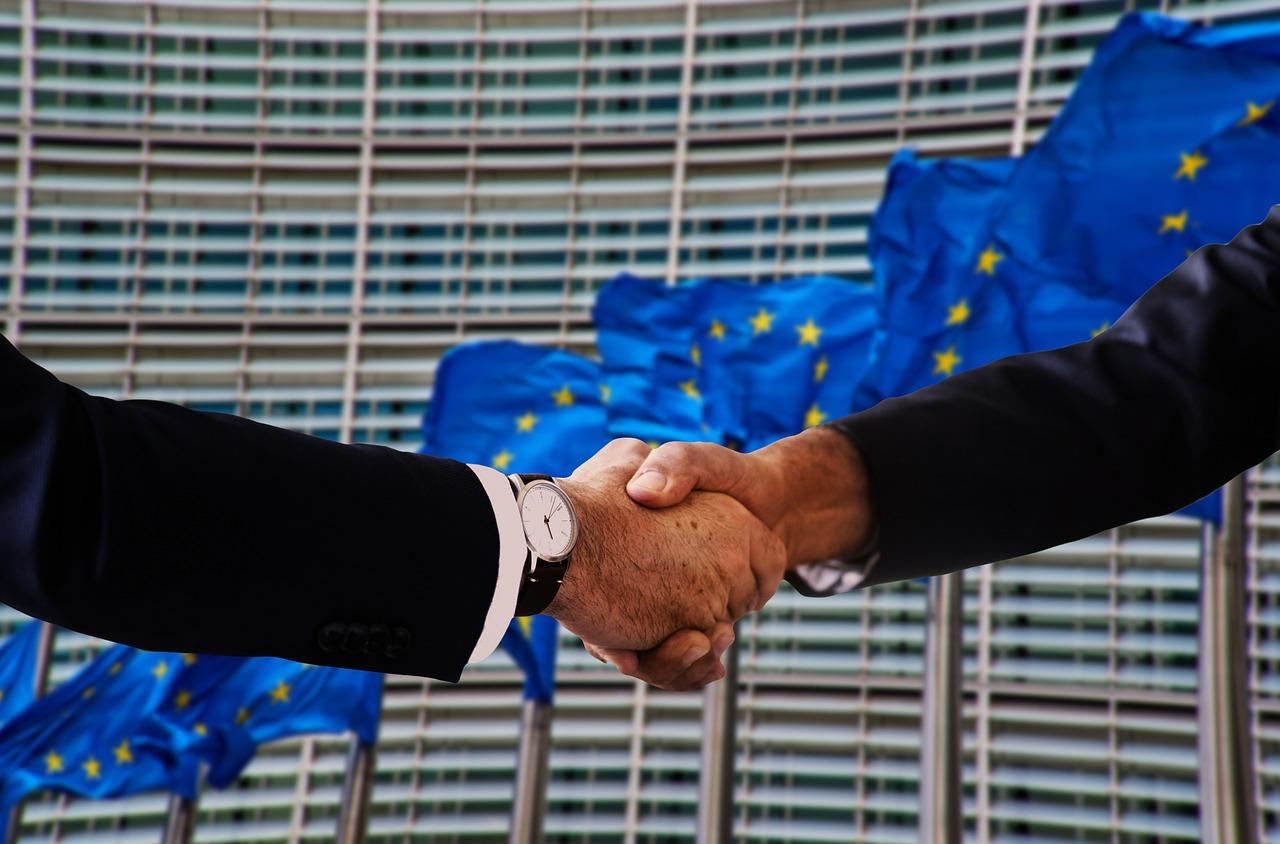
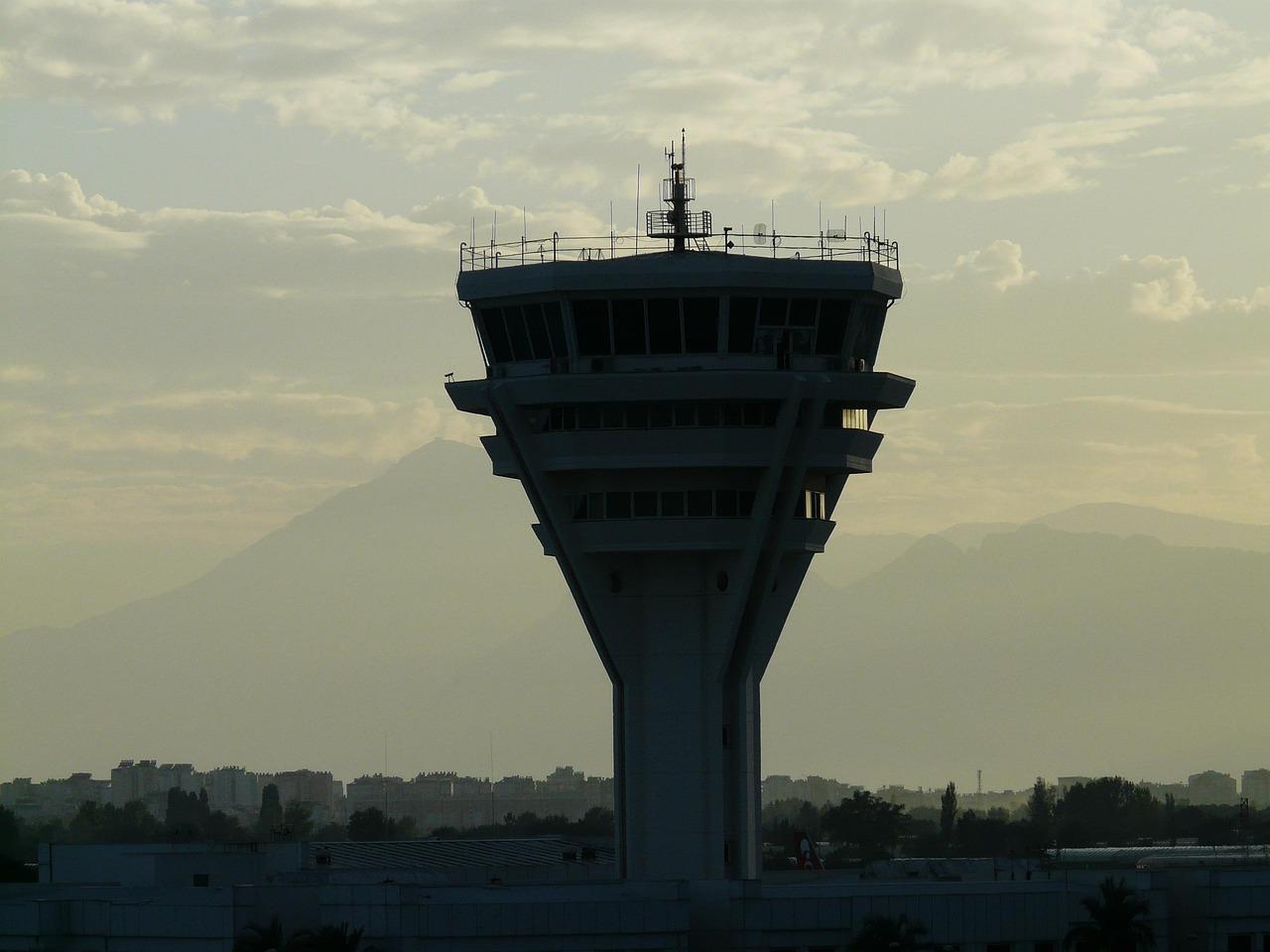
Delegates gather in the Turkish Mediterranean resort city of Antalya on Monday for two weeks of UN climate negotiations. At the centre of the procedural picture is an unusual arrangement: Turkey and Australia settled a contest over hosting rights with a compromise under which Turkey is president of the conference and Australia is president of the negotiations themselves.

In practice that puts Chris Bowen, Australia's climate change minister, in the chair as nearly 200 countries try to find common ground. The two host governments also share the ambition of steering the talks towards an overarching cover decision agreed by all countries.

What is on Bowen's agenda

Bowen has set out three areas he wants the negotiations to address:

  • •minimising overshoot past the 1.5C temperature goal of the Paris agreement
  • •helping poorer countries access enough finance
  • •a new 2035 electrification goal, backed by Turkey and Australia, to have 35% of final energy use around the world coming from electricity

Ocean protection is likely to surface as another theme of the fortnight. The electrification goal is the item on which the two hosts are explicitly aligned, and it forms part of the shared agenda they bring into the talks.

The consensus constraint

Whatever Bowen hopes to deliver is bounded by how the UN process works: the talks run by consensus, meaning every country must agree before resolutions are passed. As president of the negotiations, he must broker between rich fossil fuel producers such as Saudi Arabia and Russia, emerging economic giants including the world's biggest emitter, China, and vulnerable poorer countries seeking support.

Observers expect a careful hand on the gavel. Frank Jotzo of the Australian National University said he doubted countries would agree on mapping a route away from fossil fuels, adding: "I think the Australian presidency will have a strong focus on an orderly procedure with no surprises".

Bill Hare, chief executive of Climate Analytics, argued Australia could keep momentum going on a fossil fuel roadmap and that Bowen needs to be brave at the Cop. Hare framed the overshoot question as the central test, because fossil fuels are about 75% of global emissions and overshoot cannot be limited without a very rapid transition away from them.

The fossil fuel question hanging over the talks

The official Cop31 agenda contains no mention of countries developing detailed plans to transition away from fossil fuels. The issue has history: countries agreed at the 2023 summit that a transition was needed, and Brazil, president of last year's climate summit, advanced calls for fossil fuel exit plans even though it failed to find consensus.

This week Brazil published the first global fossil fuel roadmap, though experts pointed to a lack of benchmarks or timelines in the document. Whether that work gains traction in Antalya remains subject to the same consensus rule that governs everything else on the table.

The next set-piece of the summit is political rather than technical: Prime Minister Anthony Albanese is due to speak during a two-day leaders summit at the talks.

HAUT MONDE POST

Independent journalism of the highest standard. A chronicle of world culture, politics, arts, and public thought.

Publication

AboutEditorial

Newsletter

Get the best Haut Monde Post content delivered to your inbox every week.

© 2026 Haut Monde Post. All rights reserved. Digital edition hautmondepost.com.

Sunday, Nov 8, 2026

english

World

• Analysis

Cop31 climate talks open in Antalya with Chris Bowen presiding over consensus negotiations

Chris Bowen, Australia's climate change minister, leads negotiations between nearly 200 countries as the Cop31 climate talks open Monday in Antalya, Turkey. Under a hosting compromise with Turkey, he presides over the negotiations while Turkey takes the conference presidency.

By Haut Monde Post

Nov 7, 2026 • 3 Min Read
Cop31 climate talks open in Antalya with Chris Bowen presiding over consensus negotiations

A split presidency

Delegates gather in the Turkish Mediterranean resort city of Antalya on Monday for two weeks of UN climate negotiations. At the centre of the procedural picture is an unusual arrangement: Turkey and Australia settled a contest over hosting rights with a compromise under which Turkey is president of the conference and Australia is president of the negotiations themselves.

In practice that puts Chris Bowen, Australia's climate change minister, in the chair as nearly 200 countries try to find common ground. The two host governments also share the ambition of steering the talks towards an overarching cover decision agreed by all countries.

What is on Bowen's agenda

Bowen has set out three areas he wants the negotiations to address:

  • •minimising overshoot past the 1.5C temperature goal of the Paris agreement
  • •helping poorer countries access enough finance
  • •a new 2035 electrification goal, backed by Turkey and Australia, to have 35% of final energy use around the world coming from electricity

Ocean protection is likely to surface as another theme of the fortnight. The electrification goal is the item on which the two hosts are explicitly aligned, and it forms part of the shared agenda they bring into the talks.

The consensus constraint

Whatever Bowen hopes to deliver is bounded by how the UN process works: the talks run by consensus, meaning every country must agree before resolutions are passed. As president of the negotiations, he must broker between rich fossil fuel producers such as Saudi Arabia and Russia, emerging economic giants including the world's biggest emitter, China, and vulnerable poorer countries seeking support.

Observers expect a careful hand on the gavel. Frank Jotzo of the Australian National University said he doubted countries would agree on mapping a route away from fossil fuels, adding: "I think the Australian presidency will have a strong focus on an orderly procedure with no surprises".

Bill Hare, chief executive of Climate Analytics, argued Australia could keep momentum going on a fossil fuel roadmap and that Bowen needs to be brave at the Cop. Hare framed the overshoot question as the central test, because fossil fuels are about 75% of global emissions and overshoot cannot be limited without a very rapid transition away from them.

The fossil fuel question hanging over the talks

The official Cop31 agenda contains no mention of countries developing detailed plans to transition away from fossil fuels. The issue has history: countries agreed at the 2023 summit that a transition was needed, and Brazil, president of last year's climate summit, advanced calls for fossil fuel exit plans even though it failed to find consensus.

This week Brazil published the first global fossil fuel roadmap, though experts pointed to a lack of benchmarks or timelines in the document. Whether that work gains traction in Antalya remains subject to the same consensus rule that governs everything else on the table.

The next set-piece of the summit is political rather than technical: Prime Minister Anthony Albanese is due to speak during a two-day leaders summit at the talks.
HAUT MONDE POST

Independent journalism of the highest standard. A chronicle of world culture, politics, arts, and public thought. Published and printed daily in Paris, France.

Publication

AboutEditorial

Newsletter

Get the best Haut Monde Post content delivered to your inbox every week.

© 2026 Haut Monde Post. All rights reserved. Digital edition hautmondepost.com. Published in Paris.

Sunday, Nov 8, 2026

english

World

• Analysis

Cop31 climate talks open in Antalya with Chris Bowen presiding over consensus negotiations

Chris Bowen, Australia's climate change minister, leads negotiations between nearly 200 countries as the Cop31 climate talks open Monday in Antalya, Turkey. Under a hosting compromise with Turkey, he presides over the negotiations while Turkey takes the conference presidency.

By Haut Monde Post

Cop31 climate talks open in Antalya with Chris Bowen presiding over consensus negotiations

A split presidency

Delegates gather in the Turkish Mediterranean resort city of Antalya on Monday for two weeks of UN climate negotiations. At the centre of the procedural picture is an unusual arrangement: Turkey and Australia settled a contest over hosting rights with a compromise under which Turkey is president of the conference and Australia is president of the negotiations themselves.

In practice that puts Chris Bowen, Australia's climate change minister, in the chair as nearly 200 countries try to find common ground. The two host governments also share the ambition of steering the talks towards an overarching cover decision agreed by all countries.

What is on Bowen's agenda

Bowen has set out three areas he wants the negotiations to address:

  • •minimising overshoot past the 1.5C temperature goal of the Paris agreement
  • •helping poorer countries access enough finance
  • •a new 2035 electrification goal, backed by Turkey and Australia, to have 35% of final energy use around the world coming from electricity

Ocean protection is likely to surface as another theme of the fortnight. The electrification goal is the item on which the two hosts are explicitly aligned, and it forms part of the shared agenda they bring into the talks.

The consensus constraint

Whatever Bowen hopes to deliver is bounded by how the UN process works: the talks run by consensus, meaning every country must agree before resolutions are passed. As president of the negotiations, he must broker between rich fossil fuel producers such as Saudi Arabia and Russia, emerging economic giants including the world's biggest emitter, China, and vulnerable poorer countries seeking support.

Observers expect a careful hand on the gavel. Frank Jotzo of the Australian National University said he doubted countries would agree on mapping a route away from fossil fuels, adding: "I think the Australian presidency will have a strong focus on an orderly procedure with no surprises".

Bill Hare, chief executive of Climate Analytics, argued Australia could keep momentum going on a fossil fuel roadmap and that Bowen needs to be brave at the Cop. Hare framed the overshoot question as the central test, because fossil fuels are about 75% of global emissions and overshoot cannot be limited without a very rapid transition away from them.

The fossil fuel question hanging over the talks

The official Cop31 agenda contains no mention of countries developing detailed plans to transition away from fossil fuels. The issue has history: countries agreed at the 2023 summit that a transition was needed, and Brazil, president of last year's climate summit, advanced calls for fossil fuel exit plans even though it failed to find consensus.

This week Brazil published the first global fossil fuel roadmap, though experts pointed to a lack of benchmarks or timelines in the document. Whether that work gains traction in Antalya remains subject to the same consensus rule that governs everything else on the table.

The next set-piece of the summit is political rather than technical: Prime Minister Anthony Albanese is due to speak during a two-day leaders summit at the talks.