• Analysis
COP31 electrification: Turkey to push drive as Antalya climate summit opens
Turkey opens the COP31 climate summit in Antalya on Monday with a push for a 'cop31 electrification' drive to help meet global energy demand, as nearly 200 nations gather for two weeks of talks amid low expectations of a breakthrough.
The COP31 climate summit opens in Antalya on Monday with host Turkey set to press an 'electrification' drive aimed at helping meet global energy demand, while nearly 200 nations arrive for two weeks of UN negotiations with tensions over geopolitics, finance and fossil fuels tempering hopes of a breakthrough. More than 100,000 people are expected at the talks in the Mediterranean resort city.
An 'electrification' drive to anchor the action agenda
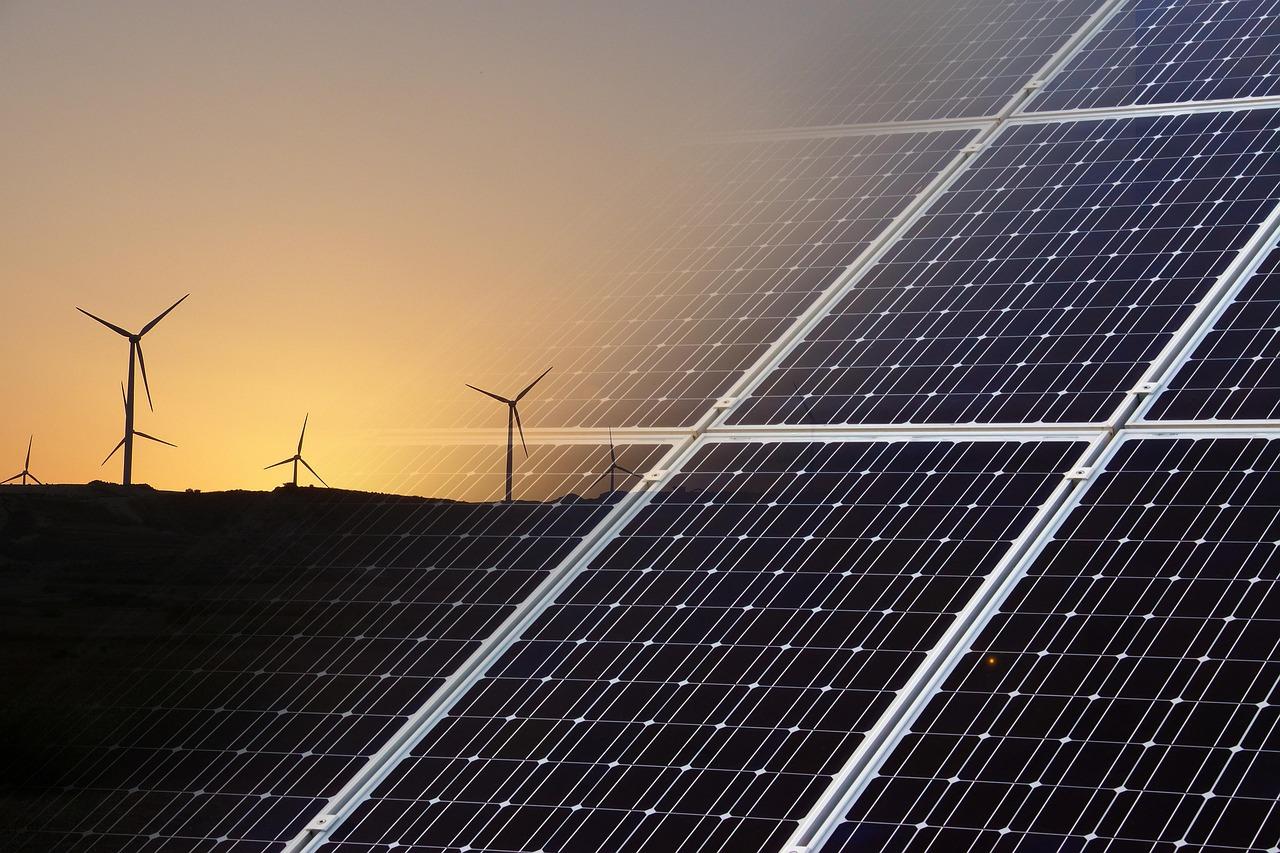
The proposal at the heart of the host's cop31 electrification agenda would raise the share of global energy demand met by electricity from around 20 percent today to 35 percent by 2035. Alongside the formal negotiations, Turkey is promoting an 'action agenda' that encourages countries to back non-binding pledges on issues ranging from artificial intelligence to waste management.
Turkey and Australia also want electrification to appear in the 'cover decision' - an overarching political statement negotiated by consensus among the attending countries.
- •The electrification drive targets 35 percent of global energy demand by 2035, up from about 20 percent today
- •The action agenda collects voluntary, non-binding pledges on themes from artificial intelligence to waste management
- •The hosts want the drive named in the cover decision, the negotiated political statement of the summit
What the host and ministers say
COP31 president Murat Kurum, Turkey's environment minister, framed electrification as both an economic and an emissions measure.
"Electrification is the answer. It protects communities from volatile global markets and cuts emissions."
Kurum also said the conference would strive "to turn the commitments of past COPs into real results". Australian climate minister Chris Bowen, whose country leads the negotiations under the hosting arrangement, acknowledged the difficulty of the task ahead, saying reaching consensus among nearly 200 countries will not be easy but cooperation remains essential.
Hurdles: fossil fuels, money and 'clean' wording
Expectations for stronger action on fossil fuels, the main driver of climate change, look slim, and budget-strapped developed countries are reluctant to commit more money to help developing nations cope with climate impacts. The record of recent summits weighs on the outlook:
- •Countries committed to transition away from fossil fuels in a landmark pact at COP28 in 2023, but have struggled to turn that pledge into action
- •COP30 ended with a deal making no explicit mention of fossil fuels after oil-producing countries opposed the language; Brazil instead produced a voluntary roadmap with proposals for phasing out fossil fuels that each country can tailor
- •African negotiators are demanding that a pledge to triple adaptation finance be added to the negotiation agenda
The European Union has called for 'clean' electrification, a term that could spark debate over the role of fossil fuels in the initiative. A senior EU official, speaking anonymously, suggested the bloc might accept compromise wording: "The word 'clean' may be difficult for some. There may be other ways of formulating this without having it so explicit."
Tempering the mood further, Paul Watkinson, France's former chief negotiator at climate summits, said: "This is not going to be the COP that changes the world." He described it as an intermediate COP in many ways, but one that still needs to make progress.
A summit under a warming sky
The talks open against a backdrop of deadly floods in Nepal, searing heatwaves in Europe and major wildfires in Indonesia. An exceptionally strong El Nino climate phenomenon is forecast to peak later this year, adding to extreme weather, and in September the United Nations warned that global temperatures were on course to exceed 1.5C above preindustrial levels - a breach of the Paris Agreement's most ambitious threshold.
The hosting itself is unusual: Turkey presides over COP31 while Australia leads negotiations, an arrangement that settled a dispute over who would host. Brazil's president, Luiz Inacio Lula da Silva, freshly re-elected over Flavio Bolsonaro, is expected to travel to Antalya next week, and Democrats' gains in recent US congressional elections have sent a delegation to the summit even as the Trump administration, which calls global warming a hoax, stays out of the negotiations.
The talks run for two weeks in Antalya; whether the electrification drive enters the negotiated cover decision will be settled there by consensus.