• Analysis
FAA says first digital air traffic control towers are now operational in Florida and Alaska
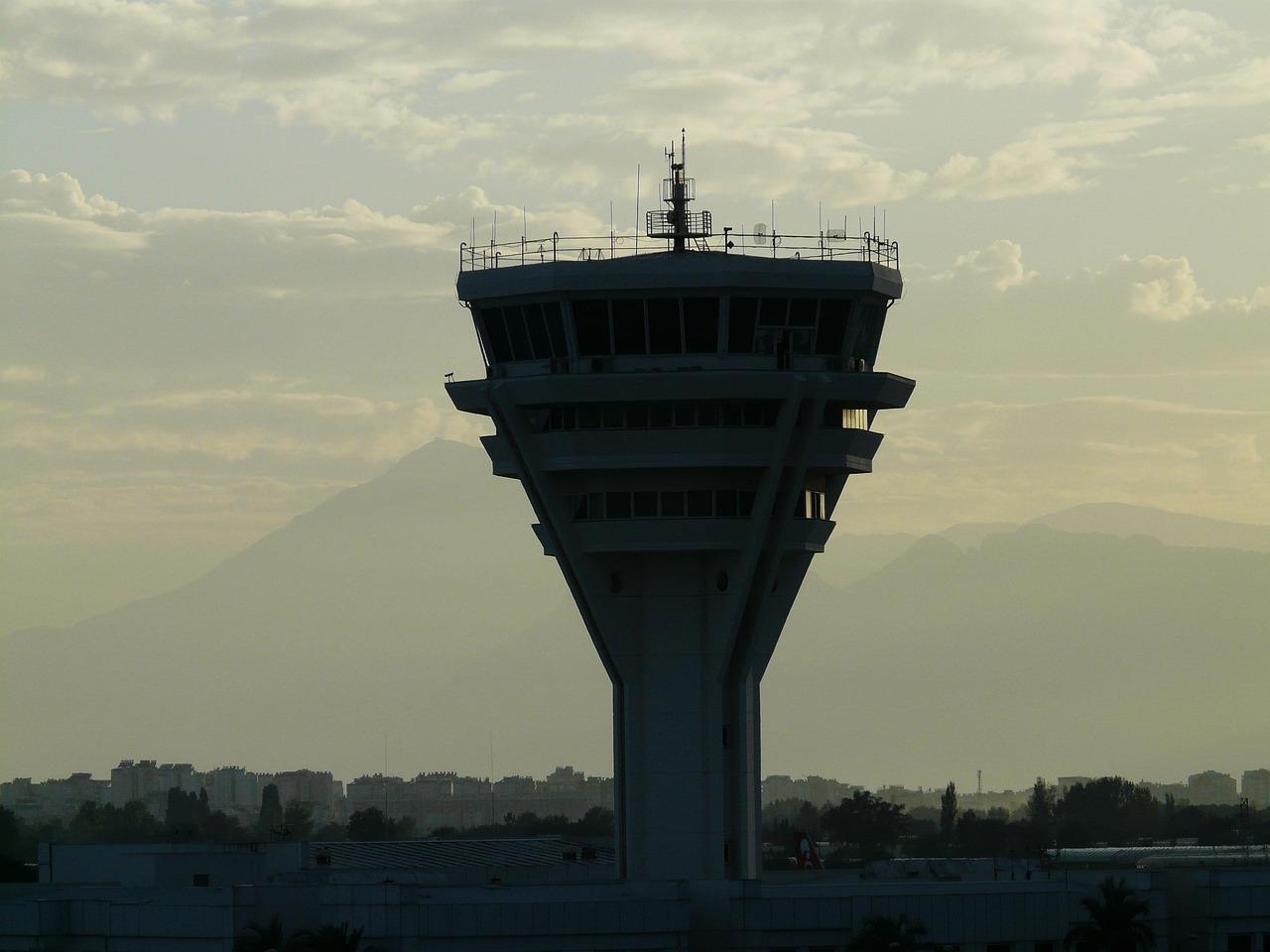
The FAA announced that the first digital air traffic control towers in the US are officially operational, at Bartow executive airport (KBOW) in Florida and Kenai municipal airport (PAEN) in Alaska.
Where the digital towers are live
The FAA says the first digital air traffic control towers in the country have gone from testing to active service. The systems are online at Bartow executive airport (KBOW) in Florida and Kenai municipal airport (PAEN) in Alaska, with five more regional airports slated to receive the technology next.
How the technology works
Instead of controllers looking out of a physical tower cab, the FAA's digital towers rely on camera systems paired with digital displays. Together they give controllers a continuous 360-degree view of airport operations, covering runways, taxiways and the surrounding airspace. The agency stresses the setup is not meant to replace human controllers; the point is to hand them greater visibility and extra information.
What the FAA administrator said
FAA administrator Bryan Bedford framed the rollout as support for the people doing the separating.
Our air traffic controllers continue to do the critical job of keeping aircraft safely separated, and we're giving them better technology to do that
In the same statement, Bedford said digital towers provide controllers with greater visibility of airport activity and more information to make critical decisions.
The wider modernization push
The towers are one piece of a larger air traffic control modernization effort that Congress funded in June 2025, approving $12.5bn over five years. The money is meant to replace aging equipment, including:
- •copper telecommunications lines
- •floppy disks
- •paper strips used to track aircraft
The Trump administration is asking Congress for an additional $30bn for further improvements. In September, the FAA also rolled out an AI software tool called the Strategic Management of Airspace, Routes and Trajectories (Smart).
The push comes amid criticism of Trump's response to a national shortage of air traffic controllers that followed last year's government shutdown, and after a 2025 midair collision between a passenger jet and a military helicopter near Washington DC killed 67 people - the deadliest US crash in more than 20 years, later deemed "100% preventable" by authorities.
Bedford is scheduled to appear before the House transportation and infrastructure committee next week over the $12.5bn modernization initiative.