Wednesday, November 25, 2026

english

HAUT MONDE

POST

World

• Analysis

Climate scientists urge House to reject Baaja permitting bill

More than 120 climate scientists have signed an open letter urging US House lawmakers to vote down the Bipartisan American Affordability and Jobs Act, a sweeping permitting bill the Senate passed last week and the House is set to vote on next week.
By Haut Monde Post

• November 25, 2026

• 4 Min Read

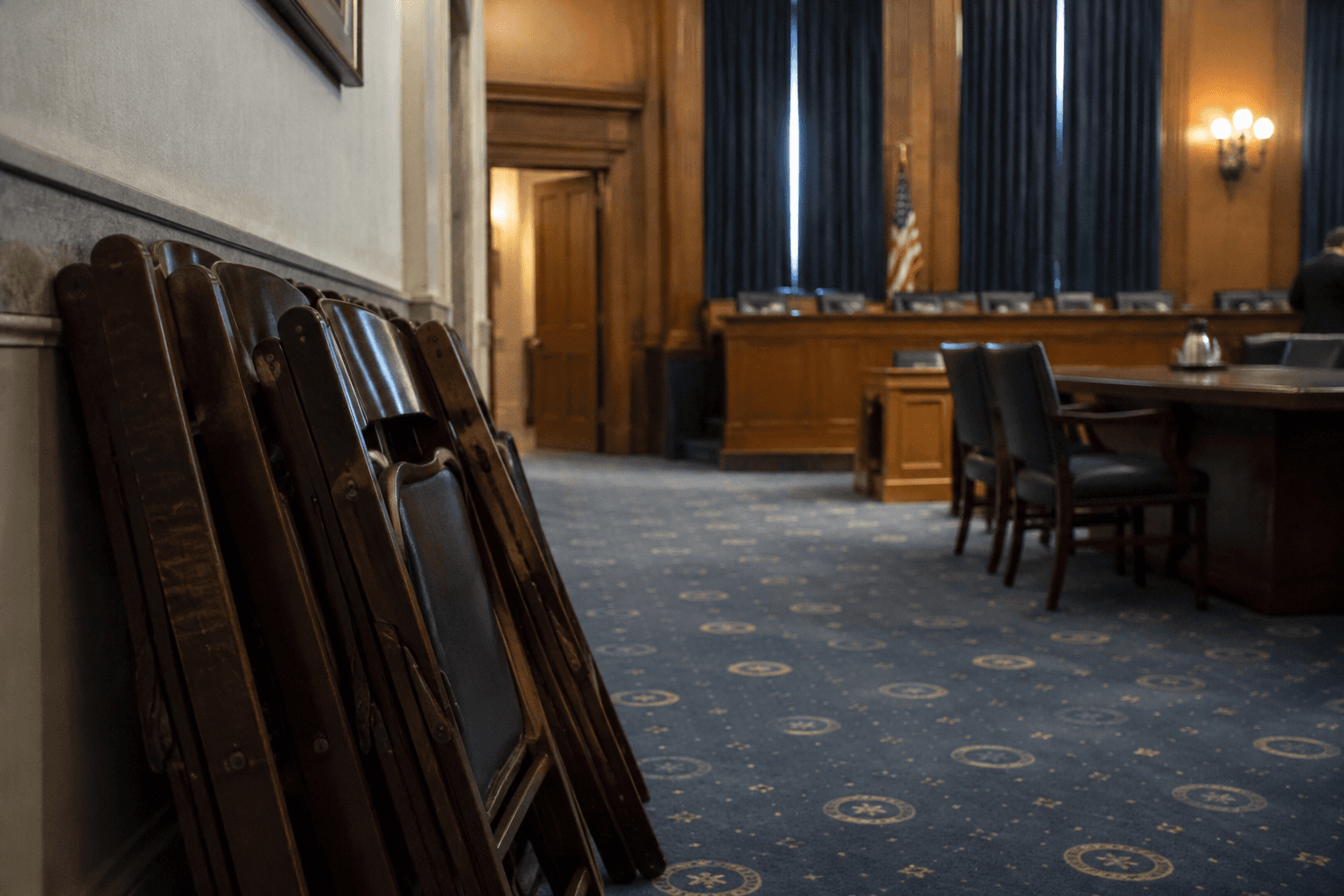
Stacked wooden folding chairs along the wall of a nearly empty congressional hearing room before a committee session.

What the letter says

More than 120 climate scientists have asked the House of Representatives in an open letter not to pass the Bipartisan American Affordability and Jobs Act, the permitting bill known as Baaja. The scientists warned that the legislation weakens environmental laws, locks in new fossil fuel projects without recourse and delivers only minor cuts to emissions. The letter was blunt about the trade-off: "But as scientists we feel strongly that the costs of this bill to the climate are too high," it stated.

Michael Mann, who helped arrange the letter, called Baaja a "deeply problematic bill" that is "backed by a veritable who's who of bad fossil fuel and dark money actors".

What Baaja would do

The Senate passed Baaja rapidly last week through a bill co-written by two Democratic and two Republican senators, and the House is set to vote on it next week. The bill would speed construction of energy projects, datacenters and other infrastructure. Its supporters, among them some Democrats, some green groups and other scientists, cite the laborious, sometimes terminal wait for clean energy projects to be approved and come online, along with a shortage of transmission lines.

Its provisions would:

  • •ease the building of new transmission lines
  • •shrink the role of statutes such as the Clean Water Act and Endangered Species Act in review
  • •shield approved projects from future administrations or courts
  • •sideline legal challenges to oil pipelines, datacenters and infrastructure including ICE detention centers

Senator Sheldon Whitehouse, a Democratic climate champion and one of the bill's principal backers, defended it by pointing to gigaton-scale emissions reductions, freed-up clean power, $10bn in annual consumer electricity savings and a $35bn whack at datacenters. Mann said it pained him to find him not only in support of the bill but among its principal backers.

Opposition beyond the scientists

Timmons Roberts, a Brown University academic and co-signatory, said the bill felt very rushed and carried grave potential for damage that cannot be undone any time soon. He argued that renewables were being tied to fossil fuel lock-in and the gutting of core environmental legislation: to get more renewables, the lock-in of fossil fuels comes with them.

The National Congress of American Indians urged Congress to reject Baaja in its entirety, saying native sovereignty and sacred places are not negotiable.

"Congress must reject Baaja in its entirety," the National Congress of American Indians said, arguing that native sovereignty and sacred places are not negotiable.

Former vice-president Al Gore also opposes the bill, with opponents arguing that Trump will not faithfully execute the law. Actor and environmental advocate Mark Ruffalo posted on social media: "Democrats, what is the matter with you? Don't you know better than to trust Trump?" Mann urged Democrats, who take control of Congress in January, to put a sensible, popular datacenter bill on Trump's desk and force him to veto it.

The House vote ahead

The roughly 500-page bill has been pushed through Congress without a hearing, unusual for legislation of its size. Its rapid pace raises the chance of Republican and Trump support, something a Democrat-written revised version from January would have no guarantee of. Republicans' slender House hold has been largely erased after midterm losses, with many Republicans not in Washington for the lame-duck session.

Trump has said Baaja would result in tremendous new datacenter building but insisted he will still not allow the permitting of new wind power, which he has called a "major loser".

Some House Democrats opposed to Baaja have set about trying to amend it rather than kill it outright. Jared Huffman, a California Democrat set to chair the House natural resources committee, proposed five amendments covering tribal consultation, legal recourse, full datacenter reviews and ending the "forever permit" provisions that ensure projects can continue even if they are shown to be destructive.

He warned: "we are about to find out if this is a 'take it or leave it' jam job". Huffman argued Democrats could cut a better deal in six weeks, while cautioning that if Congress goes the next two to four years without legislating on a permitting deal, "then shame on us".

The House vote is set for next week; if the bill passes, Donald Trump will sign it into law.
HAUT MONDE POST

Independent journalism of the highest standard. A chronicle of world culture, politics, arts, and public thought.

Publication

AboutEditorial

Newsletter

Get the best Haut Monde Post content delivered to your inbox every week.

© 2026 Haut Monde Post. All rights reserved. Digital edition hautmondepost.com.

Wednesday, Nov 25, 2026

english

World

• Analysis

Climate scientists urge House to reject Baaja permitting bill

More than 120 climate scientists have signed an open letter urging US House lawmakers to vote down the Bipartisan American Affordability and Jobs Act, a sweeping permitting bill the Senate passed last week and the House is set to vote on next week.

By Haut Monde Post

Nov 25, 2026 • 4 Min Read
Stacked wooden folding chairs along the wall of a nearly empty congressional hearing room before a committee session.

What the letter says

More than 120 climate scientists have asked the House of Representatives in an open letter not to pass the Bipartisan American Affordability and Jobs Act, the permitting bill known as Baaja. The scientists warned that the legislation weakens environmental laws, locks in new fossil fuel projects without recourse and delivers only minor cuts to emissions. The letter was blunt about the trade-off: "But as scientists we feel strongly that the costs of this bill to the climate are too high," it stated.

Michael Mann, who helped arrange the letter, called Baaja a "deeply problematic bill" that is "backed by a veritable who's who of bad fossil fuel and dark money actors".

What Baaja would do

The Senate passed Baaja rapidly last week through a bill co-written by two Democratic and two Republican senators, and the House is set to vote on it next week. The bill would speed construction of energy projects, datacenters and other infrastructure. Its supporters, among them some Democrats, some green groups and other scientists, cite the laborious, sometimes terminal wait for clean energy projects to be approved and come online, along with a shortage of transmission lines.

Its provisions would:

  • •ease the building of new transmission lines
  • •shrink the role of statutes such as the Clean Water Act and Endangered Species Act in review
  • •shield approved projects from future administrations or courts
  • •sideline legal challenges to oil pipelines, datacenters and infrastructure including ICE detention centers

Senator Sheldon Whitehouse, a Democratic climate champion and one of the bill's principal backers, defended it by pointing to gigaton-scale emissions reductions, freed-up clean power, $10bn in annual consumer electricity savings and a $35bn whack at datacenters. Mann said it pained him to find him not only in support of the bill but among its principal backers.

Opposition beyond the scientists

Timmons Roberts, a Brown University academic and co-signatory, said the bill felt very rushed and carried grave potential for damage that cannot be undone any time soon. He argued that renewables were being tied to fossil fuel lock-in and the gutting of core environmental legislation: to get more renewables, the lock-in of fossil fuels comes with them.

The National Congress of American Indians urged Congress to reject Baaja in its entirety, saying native sovereignty and sacred places are not negotiable.

"Congress must reject Baaja in its entirety," the National Congress of American Indians said, arguing that native sovereignty and sacred places are not negotiable.

Former vice-president Al Gore also opposes the bill, with opponents arguing that Trump will not faithfully execute the law. Actor and environmental advocate Mark Ruffalo posted on social media: "Democrats, what is the matter with you? Don't you know better than to trust Trump?" Mann urged Democrats, who take control of Congress in January, to put a sensible, popular datacenter bill on Trump's desk and force him to veto it.

The House vote ahead

The roughly 500-page bill has been pushed through Congress without a hearing, unusual for legislation of its size. Its rapid pace raises the chance of Republican and Trump support, something a Democrat-written revised version from January would have no guarantee of. Republicans' slender House hold has been largely erased after midterm losses, with many Republicans not in Washington for the lame-duck session.

Trump has said Baaja would result in tremendous new datacenter building but insisted he will still not allow the permitting of new wind power, which he has called a "major loser".

Some House Democrats opposed to Baaja have set about trying to amend it rather than kill it outright. Jared Huffman, a California Democrat set to chair the House natural resources committee, proposed five amendments covering tribal consultation, legal recourse, full datacenter reviews and ending the "forever permit" provisions that ensure projects can continue even if they are shown to be destructive.

He warned: "we are about to find out if this is a 'take it or leave it' jam job". Huffman argued Democrats could cut a better deal in six weeks, while cautioning that if Congress goes the next two to four years without legislating on a permitting deal, "then shame on us".

The House vote is set for next week; if the bill passes, Donald Trump will sign it into law.

HAUT MONDE POST

Independent journalism of the highest standard. A chronicle of world culture, politics, arts, and public thought. Published and printed daily in Paris, France.

Publication

AboutEditorial

Newsletter

Get the best Haut Monde Post content delivered to your inbox every week.

© 2026 Haut Monde Post. All rights reserved. Digital edition hautmondepost.com. Published in Paris.

Wednesday, Nov 25, 2026

english

World

• Analysis

Climate scientists urge House to reject Baaja permitting bill

More than 120 climate scientists have signed an open letter urging US House lawmakers to vote down the Bipartisan American Affordability and Jobs Act, a sweeping permitting bill the Senate passed last week and the House is set to vote on next week.

By Haut Monde Post

Stacked wooden folding chairs along the wall of a nearly empty congressional hearing room before a committee session.

What the letter says

More than 120 climate scientists have asked the House of Representatives in an open letter not to pass the Bipartisan American Affordability and Jobs Act, the permitting bill known as Baaja. The scientists warned that the legislation weakens environmental laws, locks in new fossil fuel projects without recourse and delivers only minor cuts to emissions. The letter was blunt about the trade-off: "But as scientists we feel strongly that the costs of this bill to the climate are too high," it stated.

Michael Mann, who helped arrange the letter, called Baaja a "deeply problematic bill" that is "backed by a veritable who's who of bad fossil fuel and dark money actors".

What Baaja would do

The Senate passed Baaja rapidly last week through a bill co-written by two Democratic and two Republican senators, and the House is set to vote on it next week. The bill would speed construction of energy projects, datacenters and other infrastructure. Its supporters, among them some Democrats, some green groups and other scientists, cite the laborious, sometimes terminal wait for clean energy projects to be approved and come online, along with a shortage of transmission lines.

Its provisions would:

  • •ease the building of new transmission lines
  • •shrink the role of statutes such as the Clean Water Act and Endangered Species Act in review
  • •shield approved projects from future administrations or courts
  • •sideline legal challenges to oil pipelines, datacenters and infrastructure including ICE detention centers

Senator Sheldon Whitehouse, a Democratic climate champion and one of the bill's principal backers, defended it by pointing to gigaton-scale emissions reductions, freed-up clean power, $10bn in annual consumer electricity savings and a $35bn whack at datacenters. Mann said it pained him to find him not only in support of the bill but among its principal backers.

Opposition beyond the scientists

Timmons Roberts, a Brown University academic and co-signatory, said the bill felt very rushed and carried grave potential for damage that cannot be undone any time soon. He argued that renewables were being tied to fossil fuel lock-in and the gutting of core environmental legislation: to get more renewables, the lock-in of fossil fuels comes with them.

The National Congress of American Indians urged Congress to reject Baaja in its entirety, saying native sovereignty and sacred places are not negotiable.

"Congress must reject Baaja in its entirety," the National Congress of American Indians said, arguing that native sovereignty and sacred places are not negotiable.

Former vice-president Al Gore also opposes the bill, with opponents arguing that Trump will not faithfully execute the law. Actor and environmental advocate Mark Ruffalo posted on social media: "Democrats, what is the matter with you? Don't you know better than to trust Trump?" Mann urged Democrats, who take control of Congress in January, to put a sensible, popular datacenter bill on Trump's desk and force him to veto it.

The House vote ahead

The roughly 500-page bill has been pushed through Congress without a hearing, unusual for legislation of its size. Its rapid pace raises the chance of Republican and Trump support, something a Democrat-written revised version from January would have no guarantee of. Republicans' slender House hold has been largely erased after midterm losses, with many Republicans not in Washington for the lame-duck session.

Trump has said Baaja would result in tremendous new datacenter building but insisted he will still not allow the permitting of new wind power, which he has called a "major loser".

Some House Democrats opposed to Baaja have set about trying to amend it rather than kill it outright. Jared Huffman, a California Democrat set to chair the House natural resources committee, proposed five amendments covering tribal consultation, legal recourse, full datacenter reviews and ending the "forever permit" provisions that ensure projects can continue even if they are shown to be destructive.

He warned: "we are about to find out if this is a 'take it or leave it' jam job". Huffman argued Democrats could cut a better deal in six weeks, while cautioning that if Congress goes the next two to four years without legislating on a permitting deal, "then shame on us".

The House vote is set for next week; if the bill passes, Donald Trump will sign it into law.