• Analysis
Amnesty Urges ICC Genocide Probe Over Gaza Births
Amnesty International has urged the International Criminal Court to investigate whether Israeli officials committed genocide in Gaza through measures it says prevented births and harmed women's reproductive health, in an amnesty icc genocide probe over Gaza births opened as a report published Wednesday.
What Amnesty Is Asking the ICC to Do
The appeal was made in a report published Wednesday on the International Day for the Elimination of Violence against Women. Amnesty Secretary General Agnès Callamard called on the ICC to consider the commission of genocide by Israeli officials since October 2023, and to include gender-based crimes and reproductive harms in its investigation.
The legal basis Amnesty points to is Article II of the UN Genocide Convention, under which "measures intended to prevent births" within a group constitute an act of genocide when undertaken with "intent to destroy" that group in whole or in part. Amnesty said it has serious concerns that the effects on births were intentional, but acknowledges that it is "not in a position to conclude this categorically".
- •The ICC is asked to examine gender-based crimes and reproductive harms as part of any genocide investigation.
- •The request covers Israeli officials' conduct since October 2023.
Fertility Care and Maternity Under Strain
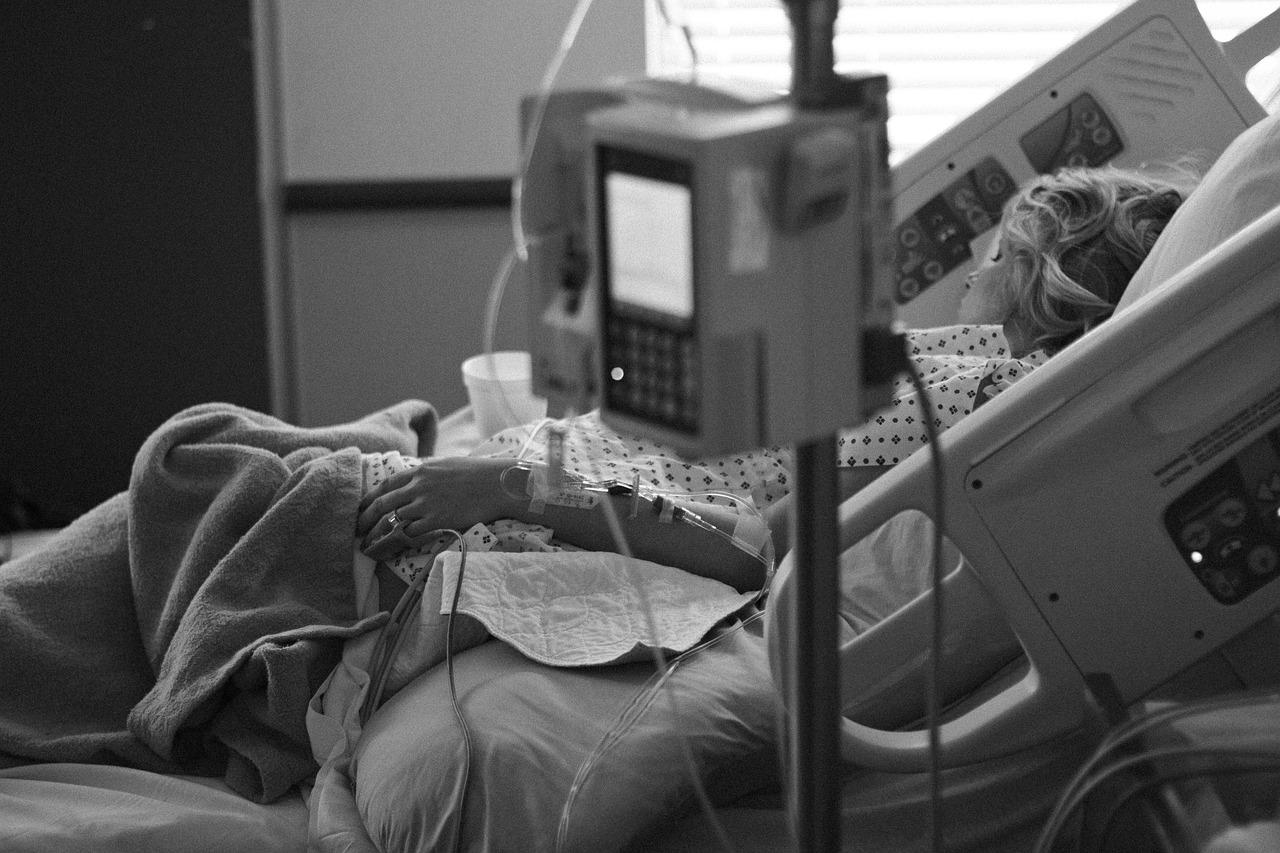
According to Callamard, Israel's actions have prevented access to fertility treatment and contributed to pregnancy complications, including miscarriage and stillbirth, from October 2023 until October 2026.
- •Before the war, Gaza had at least nine clinics offering IVF; Amnesty said none now provide these treatments, and thousands of stored embryos, sperm and eggs were destroyed.
- •Amnesty said shortages of anaesthetics and medicines needed to treat haemorrhaging during childbirth have sometimes had fatal consequences.
- •The organisation attributed the shortages to Israeli restrictions on humanitarian aid, which it said contribute to rising maternal and neonatal mortality.
- •The report details cases of women and girls killed or injured in Israeli attacks while seeking medical care or while in maternity wards.
The report is based on 228 interviews. Two paramedics told Amnesty of two incidents that occurred in early 2026, a few hundred metres from the so-called Yellow Line, in which a woman about to give birth and the ambulance sent for her came under fire. It also cites a 20-day-old infant who died in 2025 from an infection contracted after sharing an incubator with another sick baby.
The Birth Statistics
- •Gaza's health ministry reported a roughly 41 percent drop in the number of live births in the first half of 2025 compared with 2022.
- •The UN also recorded a decline in the number of deliveries in the first half of 2026 compared with the same period the previous year.
- •More than 74,000 Palestinians have been killed since the start of the war sparked by Hamas's October 7, 2023 attack, according to Gaza's health ministry, whose figures the UN considers reliable.
COGAT's Response
COGAT, the Israeli-run body for Palestinian civil affairs, accused Amnesty of "echoing Hamas's false narratives". It said more than 27,000 tonnes of medical equipment and medicine have entered Gaza since a US-brokered ceasefire began in October 2025, and that 35 hospitals were operational, including "women's health and fertility facilities".
Amnesty's report also addressed claims over hospitals directly. It said it found evidence of the use of hospitals by Palestinian armed groups, including to hold hostages and for the torture of Palestinians, but found no evidence supporting Israeli accusations that they served as Hamas command centres.
The next step named in the report is for the ICC to consider Amnesty's call to examine gender-based crimes and reproductive harms as part of any genocide investigation.