• Analysis
Australia inflation rate 4.9%: electricity bills up 25% as rebates end
Australia's inflation rate climbed to 4.9% in the year to October, up from 4.3%, and electricity prices jumped 25% over the year after government rebates ended, the Australian Bureau of Statistics reported.
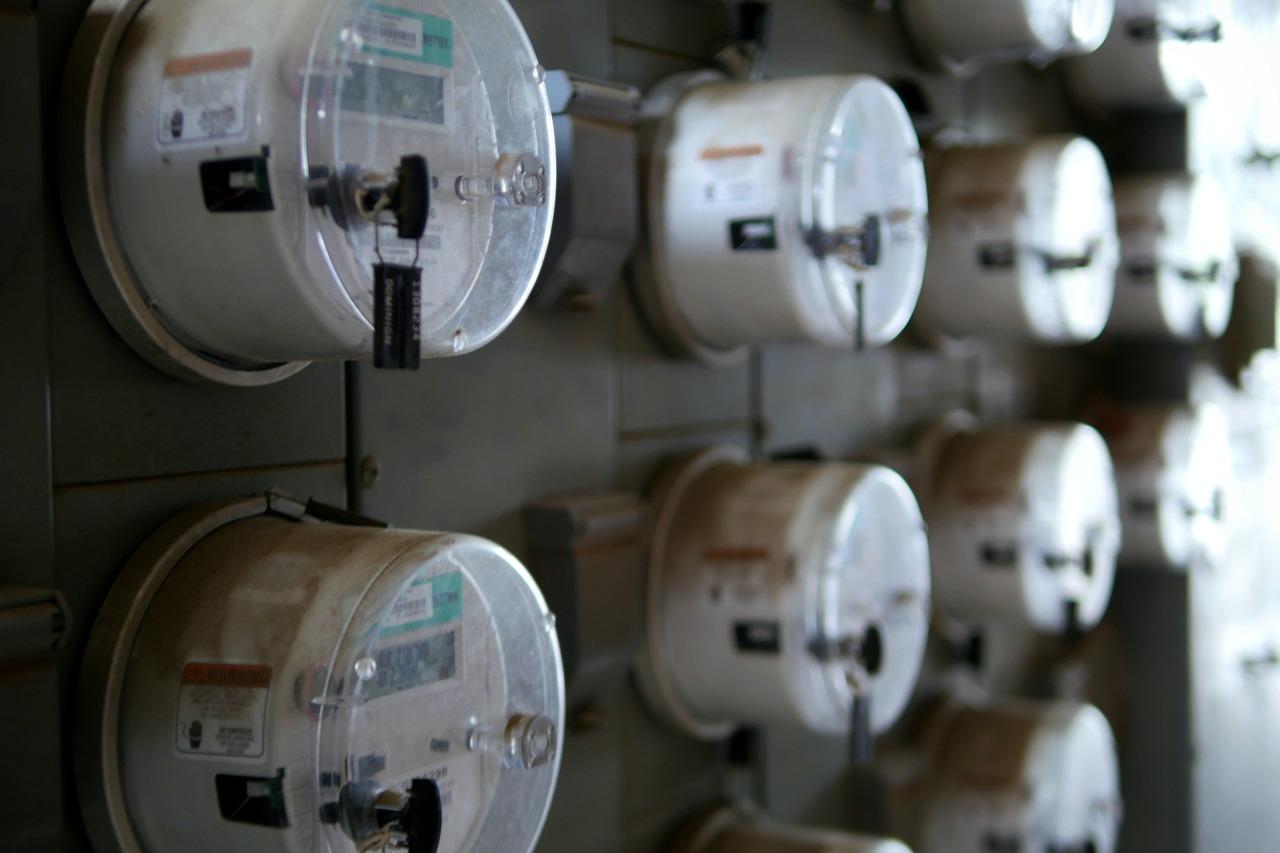
Electricity prices jump as subsidies lapse
The sharpest household-level driver behind the australia inflation rate 4.9% print sits on the power bill. Electricity prices were 25% higher than a year earlier, and the Australian Bureau of Statistics attributes much of that to the expiry of government subsidies.
ABS head of price statistics Rachael McCririck said the rise in power bills reflected the end of subsidies that had reduced household electricity costs the previous year.
"which reduced household electricity costs last year but are no longer in place"
Fuel adds to the pressure
Alongside the electricity effect, fuel costs rose 6.3% last month, according to the ABS. Underlying price pressure also proved firmer than forecast:
- •The Reserve Bank's trimmed mean measure of inflation, which strips out volatile prices, lifted to 3.8%
- •Economists had expected it to stay at 3.6%
Chalmers: budget update in December
The consumer price report came two days after treasurer Jim Chalmers warned parliament that economic conditions would worsen before improving. He said the inflation challenge would shape the budget update due next month.
"this inflation challenge is the primary influence on the budget update we will finalise in the coming weeks and release in December"
Chalmers said the government would respond with substantial savings and pointed to additional cost-of-living help announced that week. On the Monday before the figures, it announced the $25 price cap on PBS medicines would be extended to the end of the decade.
RBA caught between inflation and jobs
KPMG chief economist Brendan Rynne said the Reserve Bank was caught between inflation and unemployment, both at 4.9%. He did not expect a sixth interest rate hike at the RBA's final board meeting of the year on 7-8 December.
"Instead, we expect they'll hold until February to see how the numbers look between now and then."
Stephen Smith of Deloitte Access Economics said the numbers underscore the difficult balance facing the federal government, with the treasurer needing to cut enough to ease inflation without damaging an economy on the cusp of a downturn.
Analysts hope inflation will ease back below 3% within 12 months as this year's shocks fade. The RBA board meets 7-8 December, and the budget update is released in December.