Wednesday, November 25, 2026

english

HAUT MONDE

POST

Business

• Analysis

Australian inflation seen jumping to 4.8% in year to October as fuel costs bite

Official figures due at 11.30am on Wednesday are expected to show Australian inflation jumping to 4.8% in the year to October, up from 4.3% in September, with rising fuel costs driving the increase.
By Haut Monde Post

• November 24, 2026

• 3 Min Read

Australian inflation seen jumping to 4.8% in year to October as fuel costs bite

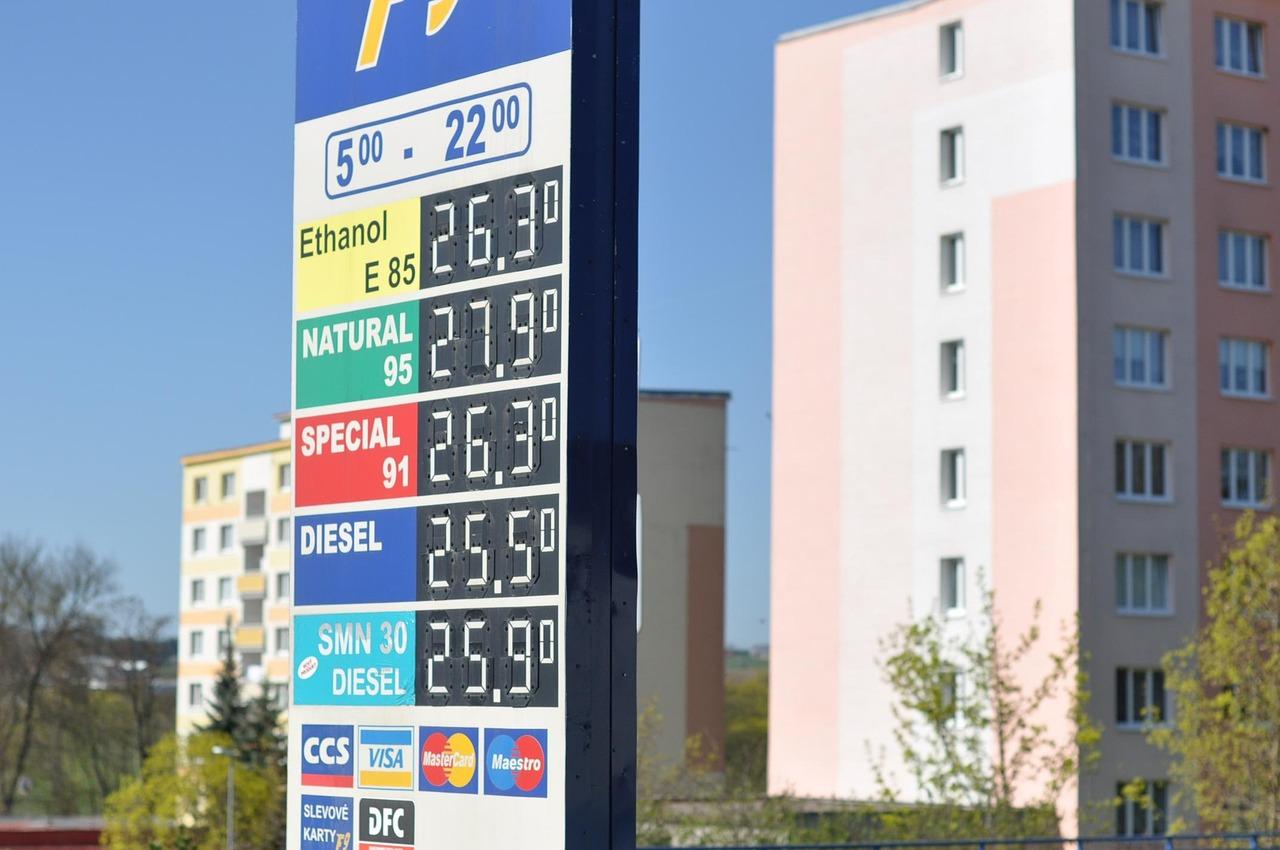
Fuel costs push the headline rate toward 4.8%

The latest read on the australian economy arrives at 11.30am, when official figures are expected to show australian inflation 4.8% in the year to October, up from 4.3% in September. That would put the headline rate nearly double the Reserve Bank's official target of 2.5%.

Rising fuel costs are the main driver of the jump. NAB economists expect fuel to contribute 1.2 percentage points to annual inflation, which they predict at 4.7%. The underlying measure is also forecast to edge higher: trimmed mean inflation is expected to rise to 3.7%, from 3.6%, according to the consensus forecast.

  • •Headline inflation expected at 4.8% in the year to October, up from 4.3% in September
  • •Reserve Bank target: 2.5%
  • •Fuel expected to add 1.2 percentage points to annual inflation
  • •Trimmed mean forecast to lift to 3.7% from 3.6%

Price pressures have other sources too. A ban of card surcharges took effect from 1 October, and while only 16% of firms charged surcharges, there was evidence the ban's introduction was used by some businesses as an excuse to pass on cost increases.

What the October print could mean for rates

NAB said an outcome in line with its 4.7% forecast would bring no comfort to the Reserve Bank, but it expects October to mark the peak for headline inflation. Financial markets, meanwhile, are pricing in rate cuts next year.

Chalmers calls it a serious moment, sees no recession

Treasurer Jim Chalmers, speaking on the ABC's 7.30 program on Tuesday evening, described it as a very difficult year for Australians, a pressure he said was reflected in polls and political commentary.

"There are risks and pressures and challenges all around our domestic economy and indeed right around the global economy."

Chalmers downplayed recession fears, saying neither treasury nor the reserve bank were forecasting a recession or expecting the economy to go backwards. His remarks followed a special economic statement this week warning that unemployment would climb above 5% alongside slower economic growth for the next two years.

Savings flagged and a Pacific treaty in the mix

Ahead of next month's mid-year budget update, Chalmers flagged modest cuts, including to the public service.

The same reporting carried Pacific developments: Solomon Islands will end its security pact with China, signed with Beijing in 2022, which will not be renewed when the five-year deal expires in April next year. Prime Minister Matthew Wale will travel to Canberra on Wednesday to sign a treaty with Australia, reported to be worth almost $1bn.

The official inflation figures were due at 11.30am; if the print lands near NAB's 4.7% forecast, the bank expects October to mark the peak for headline inflation.
HAUT MONDE POST

Independent journalism of the highest standard. A chronicle of world culture, politics, arts, and public thought.

Publication

AboutEditorial

Newsletter

Get the best Haut Monde Post content delivered to your inbox every week.

© 2026 Haut Monde Post. All rights reserved. Digital edition hautmondepost.com.

Wednesday, Nov 25, 2026

english

Business

• Analysis

Australian inflation seen jumping to 4.8% in year to October as fuel costs bite

Official figures due at 11.30am on Wednesday are expected to show Australian inflation jumping to 4.8% in the year to October, up from 4.3% in September, with rising fuel costs driving the increase.

By Haut Monde Post

Nov 24, 2026 • 3 Min Read
Australian inflation seen jumping to 4.8% in year to October as fuel costs bite

Fuel costs push the headline rate toward 4.8%

The latest read on the australian economy arrives at 11.30am, when official figures are expected to show australian inflation 4.8% in the year to October, up from 4.3% in September. That would put the headline rate nearly double the Reserve Bank's official target of 2.5%.

Rising fuel costs are the main driver of the jump. NAB economists expect fuel to contribute 1.2 percentage points to annual inflation, which they predict at 4.7%. The underlying measure is also forecast to edge higher: trimmed mean inflation is expected to rise to 3.7%, from 3.6%, according to the consensus forecast.

  • •Headline inflation expected at 4.8% in the year to October, up from 4.3% in September
  • •Reserve Bank target: 2.5%
  • •Fuel expected to add 1.2 percentage points to annual inflation
  • •Trimmed mean forecast to lift to 3.7% from 3.6%

Price pressures have other sources too. A ban of card surcharges took effect from 1 October, and while only 16% of firms charged surcharges, there was evidence the ban's introduction was used by some businesses as an excuse to pass on cost increases.

What the October print could mean for rates

NAB said an outcome in line with its 4.7% forecast would bring no comfort to the Reserve Bank, but it expects October to mark the peak for headline inflation. Financial markets, meanwhile, are pricing in rate cuts next year.

Chalmers calls it a serious moment, sees no recession

Treasurer Jim Chalmers, speaking on the ABC's 7.30 program on Tuesday evening, described it as a very difficult year for Australians, a pressure he said was reflected in polls and political commentary.

"There are risks and pressures and challenges all around our domestic economy and indeed right around the global economy."

Chalmers downplayed recession fears, saying neither treasury nor the reserve bank were forecasting a recession or expecting the economy to go backwards. His remarks followed a special economic statement this week warning that unemployment would climb above 5% alongside slower economic growth for the next two years.

Savings flagged and a Pacific treaty in the mix

Ahead of next month's mid-year budget update, Chalmers flagged modest cuts, including to the public service.

The same reporting carried Pacific developments: Solomon Islands will end its security pact with China, signed with Beijing in 2022, which will not be renewed when the five-year deal expires in April next year. Prime Minister Matthew Wale will travel to Canberra on Wednesday to sign a treaty with Australia, reported to be worth almost $1bn.

The official inflation figures were due at 11.30am; if the print lands near NAB's 4.7% forecast, the bank expects October to mark the peak for headline inflation.
HAUT MONDE POST

Independent journalism of the highest standard. A chronicle of world culture, politics, arts, and public thought. Published and printed daily in Paris, France.

Publication

AboutEditorial

Newsletter

Get the best Haut Monde Post content delivered to your inbox every week.

© 2026 Haut Monde Post. All rights reserved. Digital edition hautmondepost.com. Published in Paris.

Wednesday, Nov 25, 2026

english

Business

• Analysis

Australian inflation seen jumping to 4.8% in year to October as fuel costs bite

Official figures due at 11.30am on Wednesday are expected to show Australian inflation jumping to 4.8% in the year to October, up from 4.3% in September, with rising fuel costs driving the increase.

By Haut Monde Post

Australian inflation seen jumping to 4.8% in year to October as fuel costs bite

Fuel costs push the headline rate toward 4.8%

The latest read on the australian economy arrives at 11.30am, when official figures are expected to show australian inflation 4.8% in the year to October, up from 4.3% in September. That would put the headline rate nearly double the Reserve Bank's official target of 2.5%.

Rising fuel costs are the main driver of the jump. NAB economists expect fuel to contribute 1.2 percentage points to annual inflation, which they predict at 4.7%. The underlying measure is also forecast to edge higher: trimmed mean inflation is expected to rise to 3.7%, from 3.6%, according to the consensus forecast.

  • •Headline inflation expected at 4.8% in the year to October, up from 4.3% in September
  • •Reserve Bank target: 2.5%
  • •Fuel expected to add 1.2 percentage points to annual inflation
  • •Trimmed mean forecast to lift to 3.7% from 3.6%

Price pressures have other sources too. A ban of card surcharges took effect from 1 October, and while only 16% of firms charged surcharges, there was evidence the ban's introduction was used by some businesses as an excuse to pass on cost increases.

What the October print could mean for rates

NAB said an outcome in line with its 4.7% forecast would bring no comfort to the Reserve Bank, but it expects October to mark the peak for headline inflation. Financial markets, meanwhile, are pricing in rate cuts next year.
Chalmers calls it a serious moment, sees no recession

Treasurer Jim Chalmers, speaking on the ABC's 7.30 program on Tuesday evening, described it as a very difficult year for Australians, a pressure he said was reflected in polls and political commentary.

"There are risks and pressures and challenges all around our domestic economy and indeed right around the global economy."

Chalmers downplayed recession fears, saying neither treasury nor the reserve bank were forecasting a recession or expecting the economy to go backwards. His remarks followed a special economic statement this week warning that unemployment would climb above 5% alongside slower economic growth for the next two years.

Savings flagged and a Pacific treaty in the mix

Ahead of next month's mid-year budget update, Chalmers flagged modest cuts, including to the public service.

The same reporting carried Pacific developments: Solomon Islands will end its security pact with China, signed with Beijing in 2022, which will not be renewed when the five-year deal expires in April next year. Prime Minister Matthew Wale will travel to Canberra on Wednesday to sign a treaty with Australia, reported to be worth almost $1bn.

The official inflation figures were due at 11.30am; if the print lands near NAB's 4.7% forecast, the bank expects October to mark the peak for headline inflation.