• Analysis
Alaska congressional race: fisher Bill Hill challenges Nick Begich for House seat
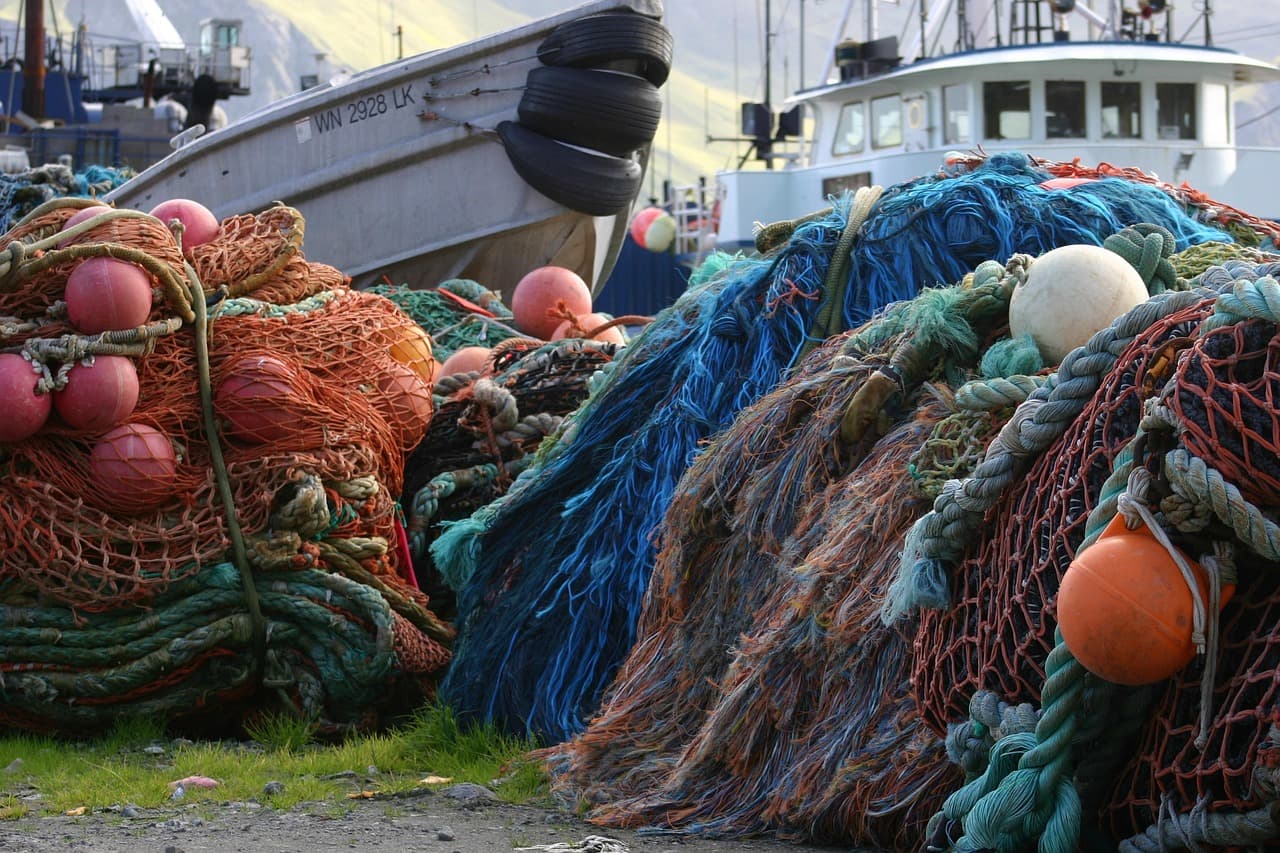
Bill Hill, a Dena'ina Athabascan Alaska Native commercial fisher and first-time candidate, is challenging Republican congressman Nick Begich for Alaska's lone US House seat in the 3 November election.
An underdog closing the gap
The Alaska congressional race has tightened in the weeks before 3 November. Hill, an independent candidate and first-time candidate, has gained momentum as national Democrats line up behind him and ad spending increases. Recent polls showed Hill trailing Begich by single digits, with his support growing as voters learn his background, according to the reporting.
The race's positioning has shifted as well:
- •The Cook Political Report moved the contest from "likely Republican" to "leans Republican"
- •The district favors Republicans by six percentage points
- •The Democratic Congressional Campaign Committee added the race to its "red to blue" program in September
- •Hill is among several independents challenging Republicans in red states this cycle, alongside Senate candidates Dan Osborn in Nebraska and Todd Achilles in Idaho
Fuel prices as the campaign's core case
Hill has built his challenge around the cost of living. He said spring fuel prices in his hometown of Naknek rose from $6.70 a gallon to almost $9, and that filling his truck became far more expensive. "I went from paying $118 to fill my truck up to over $200," Hill said. He attributes the high alaska fuel prices to Donald Trump's war on Iran.
Heating costs figure in his case too. Hill said the price of heating fuel nearly doubled, from $4.50 a gallon to $8.30, with steeper increases in remote villages. In Ambler and Shungnak, Indigenous villages along the Kobuk River near the Arctic circle, he said gas has surpassed $25 a gallon.
Hill also cited Snap and Medicaid cuts, the expiration of Affordable Care Act tax credits, Trump's tariffs, federal job losses and canceled Alaskan renewable energy projects as adding to household costs, noting that many cuts in the One Big Beautiful Bill Act take effect in 2027. A United Way of Anchorage and Alaska 211 report published earlier this month found more than one in three Alaskan households cannot cover housing, food, childcare and other essentials.
I went from paying $118 to fill my truck up to over $200
Worker credentials and union backing
Hill, a Dena'ina Athabascan Native Alaskan, has worked since childhood. He has been a commercial fisher since age eight, worked union construction with Laborers' Local 341, and spent 25 years in education as a union teacher, principal and school district superintendent.
His working-class candidate profile carries political weight in Alaska:
- •As of 2025, 18.1% of Alaska workers were union members, the third-highest rate in the US behind Hawaii and New York
- •More than 20 labor organizations, including the Alaska AFL-CIO, have endorsed Hill
- •Begich signed on to the National Right to Work Act and holds a 0% lifetime AFL-CIO voting score
- •Like Mary Peltola, Hill supports gun rights, the oil industry and renewable energy
Hill has not said whether he would caucus with Democrats if elected.
The incumbent and the ranked-choice math
Begich won the alaska house seat in 2024 by narrowly ousting incumbent Democrat Mary Peltola by 2.4%, even as Trump won the state by 13 points; Peltola is now running for US Senate. Begich praised the One Big Beautiful Bill Act as a "transformative victory" and has continued supporting Trump's war in Iran.
On the wealth contrast Hill draws, his reported assets are valued at $119,000, while he says Begich is worth at least $7.4m, calling him "a multimillionaire working for billionaires". Begich's office did not respond to comment requests; his spokesperson Silver Prout previously said in an email to the Anchorage Press that Congressman Begich's personal finances have no impact on his legislative decisionmaking process.
The state's ranked-choice voting system shapes the final contest. Begich enters the four-way general election as the only Republican on the ballot, a structural advantage. Democrat Eric Hafner, serving time in a federal prison in New York and with no apparent links to the state, could complicate Hill's path. Voters go to the polls on 3 November.