Tuesday, October 20, 2026

english

HAUT MONDE

POST

World

• Analysis

Zelensky Seeks Europe Support With €70 Billion EU Funding Request Amid Trump Rift

Ukrainian President Volodymyr Zelensky asked EU leaders in Brussels on Friday for an additional €70 billion (about $79-80 billion) to fund the war against Russia next year, a plea made as ties with US President Donald Trump deteriorated over eased US sanctions on Russia and renewed Ukrainian strikes on Russian refineries.

By Haut Monde Post

• October 20, 2026

• 4 Min Read
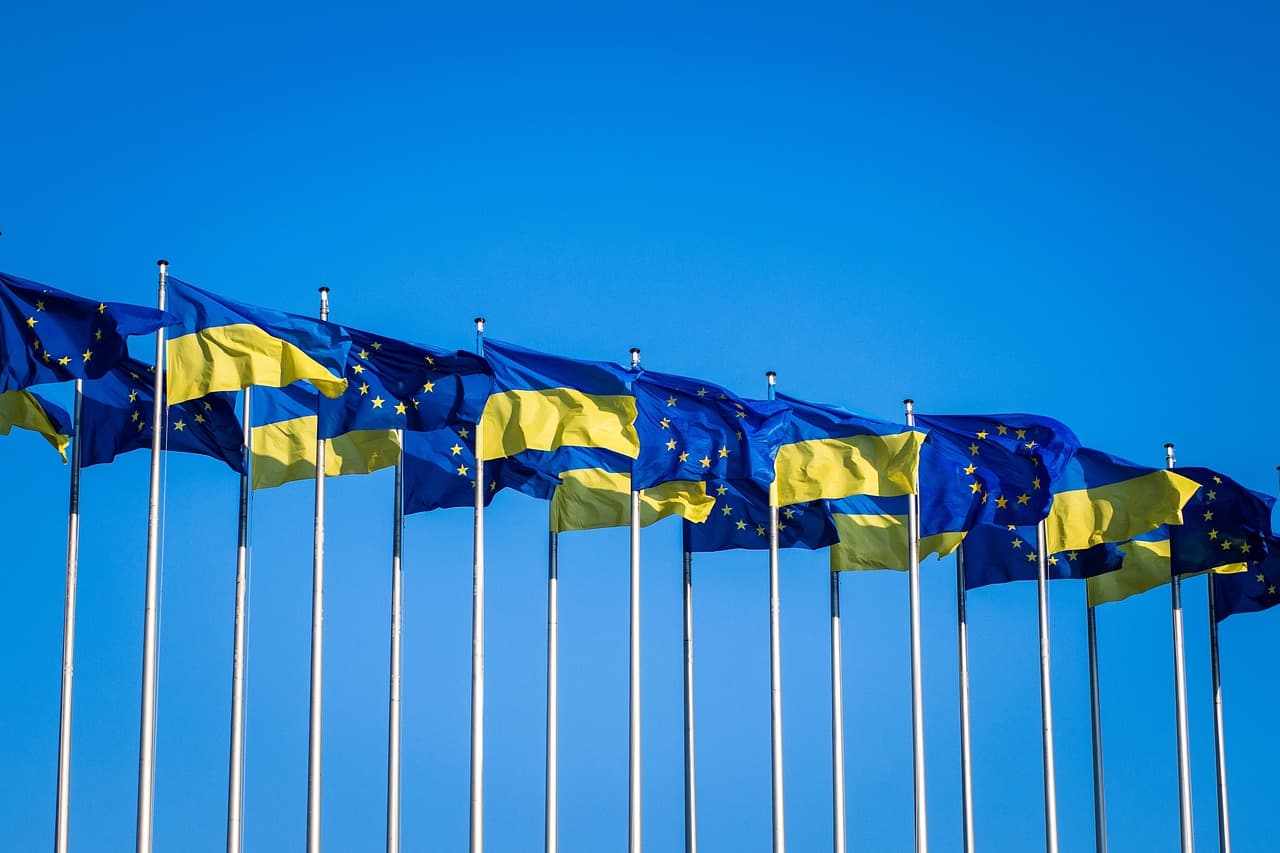
Zelensky Seeks Europe Support With €70 Billion EU Funding Request Amid Trump Rift

Ukrainian President Volodymyr Zelensky urged EU leaders on Friday to keep financing Kyiv's fight, telling a summit in Brussels that an additional €70 billion (about $79-80 billion) is needed to fund the war against Russia next year. The plea for European support came at a moment of strain with Washington, after relations with US President Donald Trump worsened over eased US sanctions on Russia and Zelensky's order to resume strikes on Russian refineries.

A 'realistic amount' to hold Russia back

Zelensky pitched the €70 billion figure directly to the bloc's leaders, framing it as a workable sum rather than an open-ended demand. He also asked the EU to provide more Patriot missiles to shoot down Russian missiles.

This is a realistic amount. And I ask you to find this support. It will help us hold Russia back.

The request landed at a summit held after relations with Trump had already deteriorated, with Kyiv's financing needs and its fraying US ties now joined in a single argument before European capitals.

The split with Washington

Ties with Trump worsened after the United States eased sanctions on Russia as part of a deal to supply diesel. The breakdown came after Zelensky ordered his forces to resume strikes on Russian refineries, moves that drew a sharp response from the US president.

Trump branded Kyiv's actions a "disgrace" and said it was easier to deal with Russia's President Vladimir Putin than with Zelensky. The rupture has fuelled fear that the US leader is siding with Moscow.

Zelensky pushed back on the suggestion that he answers to anyone but Kyiv. "I defend the interests of Ukraine and the Ukrainian people exclusively," he told journalists after the Brussels talks. Asked whether he was being made a scapegoat for Trump's domestic troubles ahead of the US midterms, he smiled, paused at length, and said: "This is my answer."

In his speech to EU leaders, he argued that most Americans support Ukraine's fight. "At the end of the day, the American people will have their say," he said.

Satellite disruption raises alarms

Worries about Washington's dependability sharpened when outages hit a US-supplied satellite network on which Ukraine relies to withstand Moscow's heavy shelling. The network at issue is Starshield, run by Elon Musk's SpaceX, which the Ukrainian military depends on for front-line communications, mid-range strikes on Russian-occupied territory and interceptor drones; Starlink, a separate service, covers civilian uses rather than offensive operations.

Musk, a Zelensky critic, said his company was not behind the disruption, and a US official denied any intervention by Trump. Zelensky gave EU leaders a partial reassurance on the system's recovery.

Has the speed been fully restored to what it was before? No. Is the speed being restored now? Yes.

Other allied voices at the summit underscored the stakes. European Council chief Antonio Costa said it was no time to withdraw support for Ukraine or relieve Russia's sanctions, but to increase both. Dutch Prime Minister Rob Jetten called the situation in Ukraine truly dire, citing numerous Russian attacks and a tense relationship between Ukraine and the US, and said Europe must show unconditional support.

French President Emmanuel Macron said Kyiv's backers will analyse the demand, adding that Europe is working hard to help Ukraine strengthen its ability to defend itself through satellite imagery and early-warning systems.

Europe's response: a financing bill to produce

The EU's leaders did not walk away from the request, but they also did not write the cheque in the room. European Commission chief Ursula von der Leyen confirmed that the €70 billion figure "has to be covered" and urged partner countries to "step in"; leaders told her commission to produce a financing proposal.

  • •German Chancellor Friedrich Merz said the EU will discuss the funding request before the end of the year.
  • •The bloc is already paying out instalments of a €90 billion loan for Kyiv intended to cover funding to the end of 2027.
  • •Ukrainian authorities warned that the country still faces a major budget black hole, as Russian strikes have battered its economy.
  • •The talks reignited calls for the EU to tap around €200 billion in frozen Russian central bank assets to fund Ukraine.

Latvian Prime Minister Andris Kulbergs backed that option outright. "The frozen assets are there. That's what should be used for supporting Ukraine," he said. But Belgium, where most of the funds are held, remains opposed, leaving little momentum on that front.

Merz's year-end timeline now governs the next step: the EU will take up the request before the end of the year, while the commission works on a financing proposal and Belgium's opposition keeps the frozen-assets route stalled.

HAUT MONDE POST

Independent journalism of the highest standard. A chronicle of world culture, politics, arts, and public thought.

Publication

AboutEditorial

Newsletter

Get the best Haut Monde Post content delivered to your inbox every week.

© 2026 Haut Monde Post. All rights reserved. Digital edition hautmondepost.com.

Tuesday, Oct 20, 2026

english

World

• Analysis

Zelensky Seeks Europe Support With €70 Billion EU Funding Request Amid Trump Rift

Ukrainian President Volodymyr Zelensky asked EU leaders in Brussels on Friday for an additional €70 billion (about $79-80 billion) to fund the war against Russia next year, a plea made as ties with US President Donald Trump deteriorated over eased US sanctions on Russia and renewed Ukrainian strikes on Russian refineries.

By Haut Monde Post

Oct 20, 2026 • 4 Min Read

Zelensky Seeks Europe Support With €70 Billion EU Funding Request Amid Trump Rift

Ukrainian President Volodymyr Zelensky urged EU leaders on Friday to keep financing Kyiv's fight, telling a summit in Brussels that an additional €70 billion (about $79-80 billion) is needed to fund the war against Russia next year. The plea for European support came at a moment of strain with Washington, after relations with US President Donald Trump worsened over eased US sanctions on Russia and Zelensky's order to resume strikes on Russian refineries.

A 'realistic amount' to hold Russia back

Zelensky pitched the €70 billion figure directly to the bloc's leaders, framing it as a workable sum rather than an open-ended demand. He also asked the EU to provide more Patriot missiles to shoot down Russian missiles.

This is a realistic amount. And I ask you to find this support. It will help us hold Russia back.

The request landed at a summit held after relations with Trump had already deteriorated, with Kyiv's financing needs and its fraying US ties now joined in a single argument before European capitals.

The split with Washington

Ties with Trump worsened after the United States eased sanctions on Russia as part of a deal to supply diesel. The breakdown came after Zelensky ordered his forces to resume strikes on Russian refineries, moves that drew a sharp response from the US president.

Trump branded Kyiv's actions a "disgrace" and said it was easier to deal with Russia's President Vladimir Putin than with Zelensky. The rupture has fuelled fear that the US leader is siding with Moscow.

Zelensky pushed back on the suggestion that he answers to anyone but Kyiv. "I defend the interests of Ukraine and the Ukrainian people exclusively," he told journalists after the Brussels talks. Asked whether he was being made a scapegoat for Trump's domestic troubles ahead of the US midterms, he smiled, paused at length, and said: "This is my answer."

In his speech to EU leaders, he argued that most Americans support Ukraine's fight. "At the end of the day, the American people will have their say," he said.

Satellite disruption raises alarms

Worries about Washington's dependability sharpened when outages hit a US-supplied satellite network on which Ukraine relies to withstand Moscow's heavy shelling. The network at issue is Starshield, run by Elon Musk's SpaceX, which the Ukrainian military depends on for front-line communications, mid-range strikes on Russian-occupied territory and interceptor drones; Starlink, a separate service, covers civilian uses rather than offensive operations.

Musk, a Zelensky critic, said his company was not behind the disruption, and a US official denied any intervention by Trump. Zelensky gave EU leaders a partial reassurance on the system's recovery.

Has the speed been fully restored to what it was before? No. Is the speed being restored now? Yes.

Other allied voices at the summit underscored the stakes. European Council chief Antonio Costa said it was no time to withdraw support for Ukraine or relieve Russia's sanctions, but to increase both. Dutch Prime Minister Rob Jetten called the situation in Ukraine truly dire, citing numerous Russian attacks and a tense relationship between Ukraine and the US, and said Europe must show unconditional support.

French President Emmanuel Macron said Kyiv's backers will analyse the demand, adding that Europe is working hard to help Ukraine strengthen its ability to defend itself through satellite imagery and early-warning systems.

Europe's response: a financing bill to produce

The EU's leaders did not walk away from the request, but they also did not write the cheque in the room. European Commission chief Ursula von der Leyen confirmed that the €70 billion figure "has to be covered" and urged partner countries to "step in"; leaders told her commission to produce a financing proposal.

  • •German Chancellor Friedrich Merz said the EU will discuss the funding request before the end of the year.
  • •The bloc is already paying out instalments of a €90 billion loan for Kyiv intended to cover funding to the end of 2027.
  • •Ukrainian authorities warned that the country still faces a major budget black hole, as Russian strikes have battered its economy.
  • •The talks reignited calls for the EU to tap around €200 billion in frozen Russian central bank assets to fund Ukraine.

Latvian Prime Minister Andris Kulbergs backed that option outright. "The frozen assets are there. That's what should be used for supporting Ukraine," he said. But Belgium, where most of the funds are held, remains opposed, leaving little momentum on that front.

Merz's year-end timeline now governs the next step: the EU will take up the request before the end of the year, while the commission works on a financing proposal and Belgium's opposition keeps the frozen-assets route stalled.

HAUT MONDE POST

Independent journalism of the highest standard. A chronicle of world culture, politics, arts, and public thought. Published and printed daily in Paris, France.

Publication

AboutEditorial

Newsletter

Get the best Haut Monde Post content delivered to your inbox every week.

© 2026 Haut Monde Post. All rights reserved. Digital edition hautmondepost.com. Published in Paris.

Tuesday, Oct 20, 2026

english

World

• Analysis

Zelensky Seeks Europe Support With €70 Billion EU Funding Request Amid Trump Rift

Ukrainian President Volodymyr Zelensky asked EU leaders in Brussels on Friday for an additional €70 billion (about $79-80 billion) to fund the war against Russia next year, a plea made as ties with US President Donald Trump deteriorated over eased US sanctions on Russia and renewed Ukrainian strikes on Russian refineries.

By Haut Monde Post

Oct 20, 2026 • 4 Min Read

Zelensky Seeks Europe Support With €70 Billion EU Funding Request Amid Trump Rift

Ukrainian President Volodymyr Zelensky urged EU leaders on Friday to keep financing Kyiv's fight, telling a summit in Brussels that an additional €70 billion (about $79-80 billion) is needed to fund the war against Russia next year. The plea for European support came at a moment of strain with Washington, after relations with US President Donald Trump worsened over eased US sanctions on Russia and Zelensky's order to resume strikes on Russian refineries.

A 'realistic amount' to hold Russia back

Zelensky pitched the €70 billion figure directly to the bloc's leaders, framing it as a workable sum rather than an open-ended demand. He also asked the EU to provide more Patriot missiles to shoot down Russian missiles.

This is a realistic amount. And I ask you to find this support. It will help us hold Russia back.

The request landed at a summit held after relations with Trump had already deteriorated, with Kyiv's financing needs and its fraying US ties now joined in a single argument before European capitals.

The split with Washington

Ties with Trump worsened after the United States eased sanctions on Russia as part of a deal to supply diesel. The breakdown came after Zelensky ordered his forces to resume strikes on Russian refineries, moves that drew a sharp response from the US president.

Trump branded Kyiv's actions a "disgrace" and said it was easier to deal with Russia's President Vladimir Putin than with Zelensky. The rupture has fuelled fear that the US leader is siding with Moscow.

Zelensky pushed back on the suggestion that he answers to anyone but Kyiv. "I defend the interests of Ukraine and the Ukrainian people exclusively," he told journalists after the Brussels talks. Asked whether he was being made a scapegoat for Trump's domestic troubles ahead of the US midterms, he smiled, paused at length, and said: "This is my answer."

In his speech to EU leaders, he argued that most Americans support Ukraine's fight. "At the end of the day, the American people will have their say," he said.

Satellite disruption raises alarms

Worries about Washington's dependability sharpened when outages hit a US-supplied satellite network on which Ukraine relies to withstand Moscow's heavy shelling. The network at issue is Starshield, run by Elon Musk's SpaceX, which the Ukrainian military depends on for front-line communications, mid-range strikes on Russian-occupied territory and interceptor drones; Starlink, a separate service, covers civilian uses rather than offensive operations.

Musk, a Zelensky critic, said his company was not behind the disruption, and a US official denied any intervention by Trump. Zelensky gave EU leaders a partial reassurance on the system's recovery.

Has the speed been fully restored to what it was before? No. Is the speed being restored now? Yes.

Other allied voices at the summit underscored the stakes. European Council chief Antonio Costa said it was no time to withdraw support for Ukraine or relieve Russia's sanctions, but to increase both. Dutch Prime Minister Rob Jetten called the situation in Ukraine truly dire, citing numerous Russian attacks and a tense relationship between Ukraine and the US, and said Europe must show unconditional support.

French President Emmanuel Macron said Kyiv's backers will analyse the demand, adding that Europe is working hard to help Ukraine strengthen its ability to defend itself through satellite imagery and early-warning systems.

Europe's response: a financing bill to produce

The EU's leaders did not walk away from the request, but they also did not write the cheque in the room. European Commission chief Ursula von der Leyen confirmed that the €70 billion figure "has to be covered" and urged partner countries to "step in"; leaders told her commission to produce a financing proposal.

  • •German Chancellor Friedrich Merz said the EU will discuss the funding request before the end of the year.
  • •The bloc is already paying out instalments of a €90 billion loan for Kyiv intended to cover funding to the end of 2027.
  • •Ukrainian authorities warned that the country still faces a major budget black hole, as Russian strikes have battered its economy.
  • •The talks reignited calls for the EU to tap around €200 billion in frozen Russian central bank assets to fund Ukraine.

Latvian Prime Minister Andris Kulbergs backed that option outright. "The frozen assets are there. That's what should be used for supporting Ukraine," he said. But Belgium, where most of the funds are held, remains opposed, leaving little momentum on that front.

Merz's year-end timeline now governs the next step: the EU will take up the request before the end of the year, while the commission works on a financing proposal and Belgium's opposition keeps the frozen-assets route stalled.