Tuesday, October 20, 2026

english

HAUT MONDE

POST

Business

• Analysis

France cultural exception faces test as Skydance, born of Paramount-Warner Bros Discovery merger, enters French market

Skydance, the company created this month by Paramount's $110 billion acquisition of Warner Bros. Discovery, must operate under France's cultural exception rules - including obligations for foreign streamers to invest in French and European productions. France's film sector is watching how the merged giant will comply.

By Haut Monde Post

• October 20, 2026

• 4 Min Read
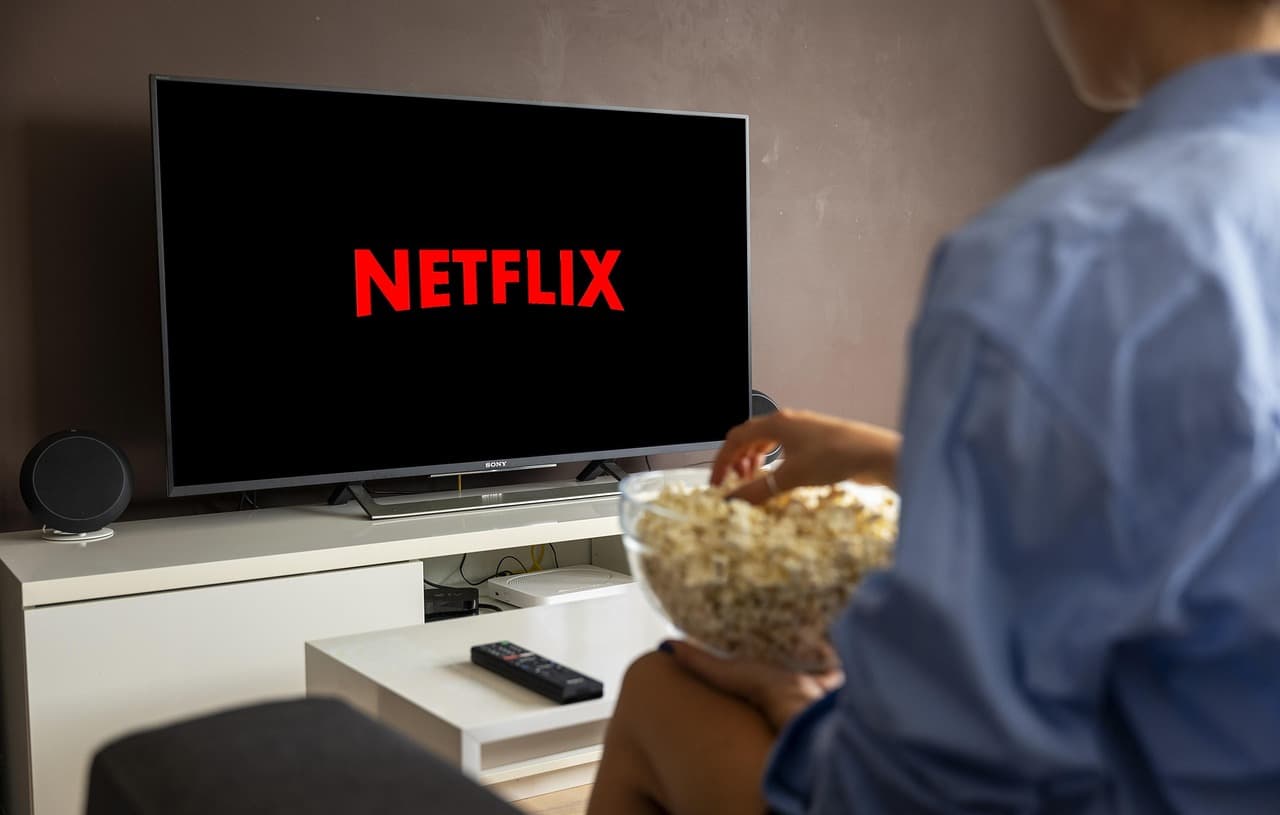
France cultural exception faces test as Skydance, born of Paramount-Warner Bros Discovery merger, enters French market

A Hollywood giant under French rules

Paramount completed its $110 billion acquisition of Warner Bros. Discovery this month, creating Skydance - and the France cultural exception and Skydance Paramount now meet as the country's film sector watches the group's compliance. The portfolio spans Warner Brothers, Paramount Pictures, HBO, Paramount+, a large television portfolio and the news platforms CNN and CBS. A bidding war against Netflix began at the end of 2025; a federal ruling against the 12 US states that tried to block the deal came at the end of September, a week before final approval.

The company starts with nearly $80 billion in debt and aims to cut $6 billion in structural and tech-stack costs over three years, according to the Financial Times. It has raised Discovery+ prices and reportedly plans to combine Paramount+ and HBO Max into a single platform or bundle.

In France, the cultural exception means international films and platforms may sell to French audiences, but must actively contribute to preserving, investing in and stimulating the country's creative economy. Two parts of that framework apply to on-demand streamers:

  • •The SMAD regime, introduced in 2021 and enforced by Arcom, requires foreign on-demand audiovisual providers targeting France to contribute 20-25 percent of their French revenue towards European and French-language productions.
  • •The chronologie des médias makes box office features wait around 15-17 months before moving from screen to subscription platforms, protecting cinema owners and channelling levies into the National Centre for Cinema and Moving Image.

Streamers push back in court

In July, Netflix, Prime Video and Disney+ filed appeals with France's highest administrative court, the Conseil d'État, contesting a January amendment that requires 20 percent of their French investment to go to animation, documentaries and live performance.

The streamers argue that this over-regulation infringes creative freedom and creates an unsustainable financial burden. The court has not yet ruled.

Pauline Dauvin, vice president of Netflix France, said:

"These new rules suddenly double our obligation to invest in these genres, target streaming services exclusively and end up dictating our content offerings without taking audience expectations into account."

Antitrust conditions on both sides of the Atlantic

Before completion, the transaction was submitted to the European Commission for regional approval, which it passed in July, subject to specific conditions. The EC cited Skydance's purchase power alongside Sony, Disney and Universal, and said the deal would have given the company advantageous distribution channels leading to "worse rental and distribution terms for cinema operators, ultimately disadvantaging consumers".

The conditions imposed in Europe:

  • •Skydance must unwind its ties from the Universal-Paramount joint venture United International Pictures within thirteen months of financial close, because of high concentration in European Economic Area markets.
  • •It must refrain from entering joint distribution arrangements for ten years and avoid sharing releases with firms handling Universal or Disney rights in relevant markets.

In the United States, antitrust settlements with the 12 states and the US Department of Justice impose output commitments: Skydance must produce at least 30 films per year for its first two years, rising to 32 films for the next three, with penalties for shortfalls.

French unions alarmed, Canal+ moves

France's leading film production and director unions, including SPI, published a joint statement last month via the Civil Society of Authors, Directors and Producers, titled "Bleeding public broadcasting: the shame of the Republic". They fear a merged giant is likely to favour global franchises, English-language formats and algorithm-friendly brands over smaller French films.

Canal+ has meanwhile moved to reinforce its position. Last month it announced it is entering exclusive negotiations to acquire a minority stake in French cinema group UGC, with the option, subject to shareholder agreement, to take full control of the UGC Group from 2028.

Canal+ CEO Maxime Saada said the group has "been the number one partner and supporter of French and European cinema" since its creation in 1984, and that the transaction "demonstrates the group's commitment to Cinema and theatrical exhibition".

At the end of July, Canal+ also committed to invest €980 million over five years in support of French and European cinema, starting in 2028.

The Conseil d'État has yet to rule on the streamers' appeals, and how Skydance will comply with the SMAD regime remains the open question hanging over France's cultural exception.


HAUT MONDE POST

Independent journalism of the highest standard. A chronicle of world culture, politics, arts, and public thought.

Publication

AboutEditorial

Newsletter

Get the best Haut Monde Post content delivered to your inbox every week.

© 2026 Haut Monde Post. All rights reserved. Digital edition hautmondepost.com.

Tuesday, Oct 20, 2026

english

Business

• Analysis

France cultural exception faces test as Skydance, born of Paramount-Warner Bros Discovery merger, enters French market

Skydance, the company created this month by Paramount's $110 billion acquisition of Warner Bros. Discovery, must operate under France's cultural exception rules - including obligations for foreign streamers to invest in French and European productions. France's film sector is watching how the merged giant will comply.

By Haut Monde Post

Oct 20, 2026 • 4 Min Read

France cultural exception faces test as Skydance, born of Paramount-Warner Bros Discovery merger, enters French market

A Hollywood giant under French rules

Paramount completed its $110 billion acquisition of Warner Bros. Discovery this month, creating Skydance - and the France cultural exception and Skydance Paramount now meet as the country's film sector watches the group's compliance. The portfolio spans Warner Brothers, Paramount Pictures, HBO, Paramount+, a large television portfolio and the news platforms CNN and CBS. A bidding war against Netflix began at the end of 2025; a federal ruling against the 12 US states that tried to block the deal came at the end of September, a week before final approval.

The company starts with nearly $80 billion in debt and aims to cut $6 billion in structural and tech-stack costs over three years, according to the Financial Times. It has raised Discovery+ prices and reportedly plans to combine Paramount+ and HBO Max into a single platform or bundle.

In France, the cultural exception means international films and platforms may sell to French audiences, but must actively contribute to preserving, investing in and stimulating the country's creative economy. Two parts of that framework apply to on-demand streamers:

  • •The SMAD regime, introduced in 2021 and enforced by Arcom, requires foreign on-demand audiovisual providers targeting France to contribute 20-25 percent of their French revenue towards European and French-language productions.
  • •The chronologie des médias makes box office features wait around 15-17 months before moving from screen to subscription platforms, protecting cinema owners and channelling levies into the National Centre for Cinema and Moving Image.

Streamers push back in court

In July, Netflix, Prime Video and Disney+ filed appeals with France's highest administrative court, the Conseil d'État, contesting a January amendment that requires 20 percent of their French investment to go to animation, documentaries and live performance.

The streamers argue that this over-regulation infringes creative freedom and creates an unsustainable financial burden. The court has not yet ruled.

Pauline Dauvin, vice president of Netflix France, said:

"These new rules suddenly double our obligation to invest in these genres, target streaming services exclusively and end up dictating our content offerings without taking audience expectations into account."

Antitrust conditions on both sides of the Atlantic

Before completion, the transaction was submitted to the European Commission for regional approval, which it passed in July, subject to specific conditions. The EC cited Skydance's purchase power alongside Sony, Disney and Universal, and said the deal would have given the company advantageous distribution channels leading to "worse rental and distribution terms for cinema operators, ultimately disadvantaging consumers".

The conditions imposed in Europe:

  • •Skydance must unwind its ties from the Universal-Paramount joint venture United International Pictures within thirteen months of financial close, because of high concentration in European Economic Area markets.
  • •It must refrain from entering joint distribution arrangements for ten years and avoid sharing releases with firms handling Universal or Disney rights in relevant markets.

In the United States, antitrust settlements with the 12 states and the US Department of Justice impose output commitments: Skydance must produce at least 30 films per year for its first two years, rising to 32 films for the next three, with penalties for shortfalls.

French unions alarmed, Canal+ moves

France's leading film production and director unions, including SPI, published a joint statement last month via the Civil Society of Authors, Directors and Producers, titled "Bleeding public broadcasting: the shame of the Republic". They fear a merged giant is likely to favour global franchises, English-language formats and algorithm-friendly brands over smaller French films.

Canal+ has meanwhile moved to reinforce its position. Last month it announced it is entering exclusive negotiations to acquire a minority stake in French cinema group UGC, with the option, subject to shareholder agreement, to take full control of the UGC Group from 2028.

Canal+ CEO Maxime Saada said the group has "been the number one partner and supporter of French and European cinema" since its creation in 1984, and that the transaction "demonstrates the group's commitment to Cinema and theatrical exhibition".

At the end of July, Canal+ also committed to invest €980 million over five years in support of French and European cinema, starting in 2028.

The Conseil d'État has yet to rule on the streamers' appeals, and how Skydance will comply with the SMAD regime remains the open question hanging over France's cultural exception.

HAUT MONDE POST

Independent journalism of the highest standard. A chronicle of world culture, politics, arts, and public thought. Published and printed daily in Paris, France.

Publication

AboutEditorial

Newsletter

Get the best Haut Monde Post content delivered to your inbox every week.

© 2026 Haut Monde Post. All rights reserved. Digital edition hautmondepost.com. Published in Paris.

Tuesday, Oct 20, 2026

english

Business

• Analysis

France cultural exception faces test as Skydance, born of Paramount-Warner Bros Discovery merger, enters French market

Skydance, the company created this month by Paramount's $110 billion acquisition of Warner Bros. Discovery, must operate under France's cultural exception rules - including obligations for foreign streamers to invest in French and European productions. France's film sector is watching how the merged giant will comply.

By Haut Monde Post

Oct 20, 2026 • 4 Min Read

France cultural exception faces test as Skydance, born of Paramount-Warner Bros Discovery merger, enters French market

A Hollywood giant under French rules

Paramount completed its $110 billion acquisition of Warner Bros. Discovery this month, creating Skydance - and the France cultural exception and Skydance Paramount now meet as the country's film sector watches the group's compliance. The portfolio spans Warner Brothers, Paramount Pictures, HBO, Paramount+, a large television portfolio and the news platforms CNN and CBS. A bidding war against Netflix began at the end of 2025; a federal ruling against the 12 US states that tried to block the deal came at the end of September, a week before final approval.

The company starts with nearly $80 billion in debt and aims to cut $6 billion in structural and tech-stack costs over three years, according to the Financial Times. It has raised Discovery+ prices and reportedly plans to combine Paramount+ and HBO Max into a single platform or bundle.

In France, the cultural exception means international films and platforms may sell to French audiences, but must actively contribute to preserving, investing in and stimulating the country's creative economy. Two parts of that framework apply to on-demand streamers:

  • •The SMAD regime, introduced in 2021 and enforced by Arcom, requires foreign on-demand audiovisual providers targeting France to contribute 20-25 percent of their French revenue towards European and French-language productions.
  • •The chronologie des médias makes box office features wait around 15-17 months before moving from screen to subscription platforms, protecting cinema owners and channelling levies into the National Centre for Cinema and Moving Image.

Streamers push back in court

In July, Netflix, Prime Video and Disney+ filed appeals with France's highest administrative court, the Conseil d'État, contesting a January amendment that requires 20 percent of their French investment to go to animation, documentaries and live performance.

The streamers argue that this over-regulation infringes creative freedom and creates an unsustainable financial burden. The court has not yet ruled.

Pauline Dauvin, vice president of Netflix France, said:

"These new rules suddenly double our obligation to invest in these genres, target streaming services exclusively and end up dictating our content offerings without taking audience expectations into account."

Antitrust conditions on both sides of the Atlantic

Before completion, the transaction was submitted to the European Commission for regional approval, which it passed in July, subject to specific conditions. The EC cited Skydance's purchase power alongside Sony, Disney and Universal, and said the deal would have given the company advantageous distribution channels leading to "worse rental and distribution terms for cinema operators, ultimately disadvantaging consumers".

The conditions imposed in Europe:

  • •Skydance must unwind its ties from the Universal-Paramount joint venture United International Pictures within thirteen months of financial close, because of high concentration in European Economic Area markets.
  • •It must refrain from entering joint distribution arrangements for ten years and avoid sharing releases with firms handling Universal or Disney rights in relevant markets.

In the United States, antitrust settlements with the 12 states and the US Department of Justice impose output commitments: Skydance must produce at least 30 films per year for its first two years, rising to 32 films for the next three, with penalties for shortfalls.

French unions alarmed, Canal+ moves

France's leading film production and director unions, including SPI, published a joint statement last month via the Civil Society of Authors, Directors and Producers, titled "Bleeding public broadcasting: the shame of the Republic". They fear a merged giant is likely to favour global franchises, English-language formats and algorithm-friendly brands over smaller French films.

Canal+ has meanwhile moved to reinforce its position. Last month it announced it is entering exclusive negotiations to acquire a minority stake in French cinema group UGC, with the option, subject to shareholder agreement, to take full control of the UGC Group from 2028.

Canal+ CEO Maxime Saada said the group has "been the number one partner and supporter of French and European cinema" since its creation in 1984, and that the transaction "demonstrates the group's commitment to Cinema and theatrical exhibition".

At the end of July, Canal+ also committed to invest €980 million over five years in support of French and European cinema, starting in 2028.

The Conseil d'État has yet to rule on the streamers' appeals, and how Skydance will comply with the SMAD regime remains the open question hanging over France's cultural exception.