• Analysis
'War-Life Balance': How Daryna Lives Through Kyiv's Nightly Air Raid Alerts
Daryna, a 25-year-old cybersecurity journalist from Kyiv, describes her daily attempt at 'war-life balance' - living a normal life while surviving nearly five years of Russian attacks on the Ukrainian capital.
In Ukraine, people have a name for the tightrope walk between living normally and simply staying alive. Daryna, a 25-year-old cybersecurity journalist who grew up in Rivne and now lives in Kyiv, uses it constantly. 'In Ukraine, we have this expression: war-life balance,' she says.
A curated apartment and a packed emergency bag
Daryna was barely 21 when Russia launched its full-scale invasion of Ukraine. Nearly five years later, she lives in a 19th-century building in Podil, the capital's bohemian district, and has carefully curated her apartment to surround herself with beauty and comfort.
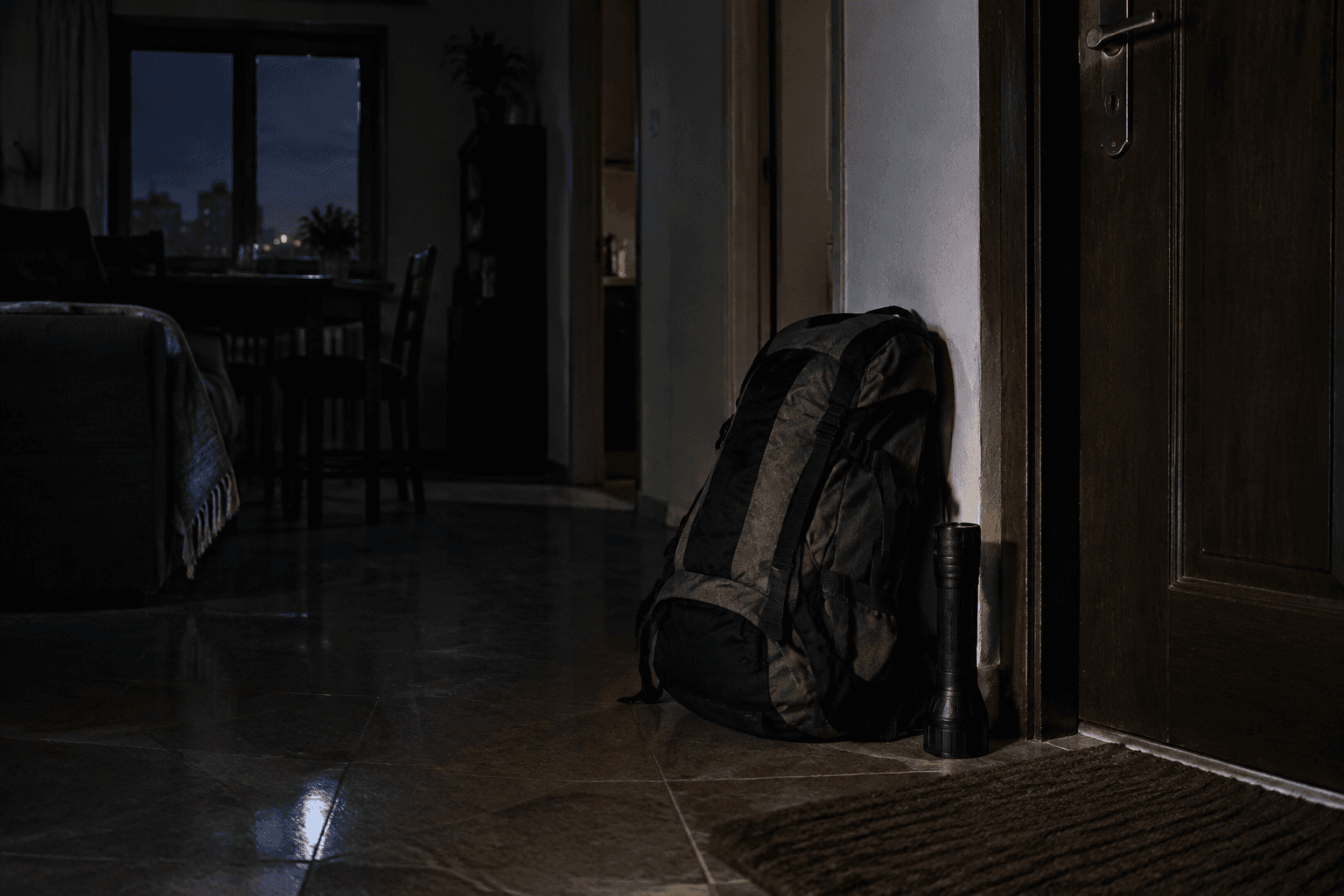
The same wardrobe that holds her domestic life also holds her escape plan. Inside it sits an emergency bag that is permanently packed:
- •ID documents and cash
- •snacks and water
- •a blanket and a small pillow
- •a sleeping bag for nights spent in shelter
The readiness is not abstract. Days before she spoke, a drone crashed into the garden of a friend's apartment near hers and exploded; the blast wave blew out the windows.
Alerts at any hour, missiles in waves
Kyiv's warning system is two-tiered, a distinction introduced only recently. Yellow alerts mean drone attacks; red alerts mean the city could come under missile attack.
The sirens sound across the city and give no concession to a normal schedule:
- •alerts happen at any hour of the day or night
- •they last anywhere from a few minutes to several hours
The threat they signal is real and recent. On October 21, Russia launched three waves of 21 missiles at Kyiv, targeting residential buildings, energy infrastructure and shopping centres.
Daryna's home has not been spared the war's proximity. She used to sleep in her walk-in closet, until one night, during an explosion, part of the ceiling fell on her head. She now sleeps in the hallway.
Blackouts, cold and the metro as shelter
Life in the capital runs on unreliable electricity. Kyiv imposes rolling blackouts district by district on schedules that shift without warning, and Daryna recently had power for only two hours in a 24-hour outage.
Last winter was the harshest since the full-scale invasion began. Temperatures plunged to as low as -27°C in the capital and -30°C in some parts of the country. Daryna had no heating in her apartment and the temperature inside dropped to 9°C.
She has built a small arsenal against the dark:
- •a headlamp and candles
- •a rechargeable lamp
- •a portable power station costing more than 57,000 hryvnias - around €1,300 at peak demand, roughly two months' average salary
When the alerts come at night, the metro is the refuge. Residents often head underground before curfew, but they must wait until metro services have ended before settling in for the night.
The accumulation of danger has changed the city itself. Kyiv has become nearly as dangerous as cities closer to the front line, in what is described as a deliberate Kremlin strategy to sow panic and trigger mass exodus from the capital. The deliberate targeting of civilian infrastructure is considered both a war crime and a crime against humanity, according to an independent UN commission.
No belief in a pause
Among Daryna's tools of endurance is an electric piano. During outages, she charges it first, because, she says, 'it keeps me occupied and allows me to do something purely for myself'.
Her view of the diplomacy aimed at ending the attacks is unsentimental. She does not believe in a ceasefire with Russia while Vladimir Putin remains in power. 'I don't think a ceasefire would immediately make our lives easier. It would simply be a pause for everyone,' she says.
A proposal does exist. On September 22, President Volodymyr Zelensky proposed an 'energy ceasefire' with Russia, contingent on reciprocity, after meeting US President Donald Trump during the UN General Assembly. It has gone nowhere.
Part of your personality disappears. You become an entirely different person.
What war has taken from her goes beyond power cuts and broken windows. For now, the balance she keeps is between that loss and the life she continues to build in a blacked-out apartment, with the bag packed and the sirens sure to come.