Monday, November 2, 2026

english

HAUT MONDE

POST

World

• Analysis

US-Iran talks on strait of Hormuz: Qatar presses two-day reopening timetable in Doha

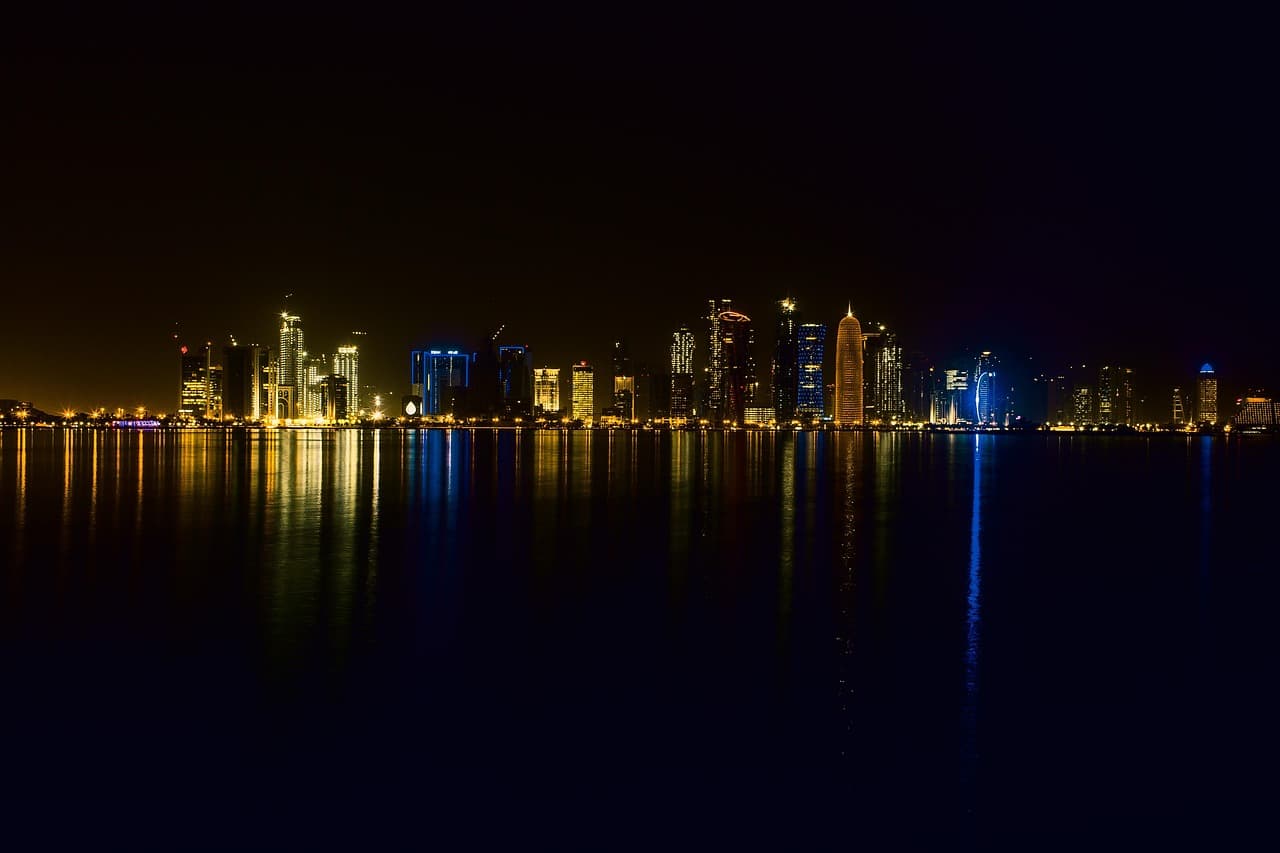
Indirect US-Iran talks over reopening the strait of Hormuz ran into a third day in Doha on Sunday, with Qatar mediating the release of more than $6bn in Iranian assets and Iran agreeing to compress the reopening timetable from seven days to two.
By Haut Monde Post

• November 2, 2026

• 3 Min Read

US-Iran talks on strait of Hormuz: Qatar presses two-day reopening timetable in Doha

Doha talks enter third day

Qatar mediation is at the centre of the Doha negotiations, which entered a third day on Sunday with the emirate trying to negotiate the release of more than $6bn in Iranian assets held up as part of any sanctions relief package. Any deal reached in Doha could lead to the reopening of the strait of Hormuz and the restart of talks on Iran's nuclear programme.

The practical breakthrough on the table concerns sequencing. Qatar is working on a plan to compress the order in which the US lifts sanctions, Iran reopens the strait and nuclear talks begin, and Iran has agreed to cut the timetable from seven days to two.

Gulf states braced for the worst

The UAE's envoy Anwar Gargash said another round of escalation would serve neither Iran nor any of its neighbours. He argued relations with Iran were essential, because Iran is a neighbour the UAE does not want caught in a prolonged crisis. But he also made clear the country was prepared for a deterioration.

"We are also, as we have shown before, braced for the worst."

Tehran's terms and the tanker strike

Under the offer Iran's foreign minister Abbas Araghchi set out to Al Jazeera, the strait would reopen just two days after Washington moved to lift its blockade of oil ships - the same step on which the release of Iranian assets and the end of sanctions on oil exports would depend. Araghchi said he hoped Washington would choose "diplomacy over other paths", adding that Iran stood ready for defence or diplomacy depending on America's "rationality".

He said there were currently no plans for direct talks with Washington, and that he was not attending the Doha mediation himself; he was due to travel to Turkmenistan on Monday.

The fragility of the moment was underlined on Friday, when unidentified missiles struck a Pakistan-bound Qatari LNG tanker near the strait of Hormuz - hours after Tehran had given the ship clearance and safe-passage approval.

Washington's position

In Washington, the message was mixed. Donald Trump said on Saturday that the US had knocked out much of Iran's military but still had to "take care of" one or two targets, as Tehran warned of reprisals if attacked. On the negotiations to end the war, which the US and Israel started in February, Trump said they were "going fine but you know they're not very reliable".

Secretary of state Marco Rubio said on Saturday that the US remained open to a diplomatic solution.

Other threads in the diplomacy:

  • •Iranian security chief Mohsen Rezaei disclosed that US vice-president JD Vance had sent him a letter aimed at restarting negotiations. Rezaei said the letter's tone marked a positive shift, but he had not yet replied.
  • •Rezaei claimed the war was having wider international repercussions than the Vietnam war, saying: "Today, wherever Trump goes, he must answer why he started the war against Iran".
  • •Iranian deputy parliamentary speaker Ali Nikzad said Tehran would not negotiate on its nuclear programme under any circumstances or pressure, citing repeated breaches of promises and what he called the illegal bombing of peaceful nuclear facilities.

Gulf officials remain braced for the worst as they wait for Washington's response to Iran's proposal ahead of Tuesday's US midterm elections.

HAUT MONDE POST

Independent journalism of the highest standard. A chronicle of world culture, politics, arts, and public thought.

Publication

AboutEditorial

Newsletter

Get the best Haut Monde Post content delivered to your inbox every week.

© 2026 Haut Monde Post. All rights reserved. Digital edition hautmondepost.com.

Monday, Nov 2, 2026

english

World

• Analysis

US-Iran talks on strait of Hormuz: Qatar presses two-day reopening timetable in Doha

Indirect US-Iran talks over reopening the strait of Hormuz ran into a third day in Doha on Sunday, with Qatar mediating the release of more than $6bn in Iranian assets and Iran agreeing to compress the reopening timetable from seven days to two.

By Haut Monde Post

Nov 2, 2026 • 3 Min Read
US-Iran talks on strait of Hormuz: Qatar presses two-day reopening timetable in Doha

Doha talks enter third day

Qatar mediation is at the centre of the Doha negotiations, which entered a third day on Sunday with the emirate trying to negotiate the release of more than $6bn in Iranian assets held up as part of any sanctions relief package. Any deal reached in Doha could lead to the reopening of the strait of Hormuz and the restart of talks on Iran's nuclear programme.

The practical breakthrough on the table concerns sequencing. Qatar is working on a plan to compress the order in which the US lifts sanctions, Iran reopens the strait and nuclear talks begin, and Iran has agreed to cut the timetable from seven days to two.

Gulf states braced for the worst

The UAE's envoy Anwar Gargash said another round of escalation would serve neither Iran nor any of its neighbours. He argued relations with Iran were essential, because Iran is a neighbour the UAE does not want caught in a prolonged crisis. But he also made clear the country was prepared for a deterioration.

"We are also, as we have shown before, braced for the worst."

Tehran's terms and the tanker strike

Under the offer Iran's foreign minister Abbas Araghchi set out to Al Jazeera, the strait would reopen just two days after Washington moved to lift its blockade of oil ships - the same step on which the release of Iranian assets and the end of sanctions on oil exports would depend. Araghchi said he hoped Washington would choose "diplomacy over other paths", adding that Iran stood ready for defence or diplomacy depending on America's "rationality".

He said there were currently no plans for direct talks with Washington, and that he was not attending the Doha mediation himself; he was due to travel to Turkmenistan on Monday.

The fragility of the moment was underlined on Friday, when unidentified missiles struck a Pakistan-bound Qatari LNG tanker near the strait of Hormuz - hours after Tehran had given the ship clearance and safe-passage approval.

Washington's position

In Washington, the message was mixed. Donald Trump said on Saturday that the US had knocked out much of Iran's military but still had to "take care of" one or two targets, as Tehran warned of reprisals if attacked. On the negotiations to end the war, which the US and Israel started in February, Trump said they were "going fine but you know they're not very reliable".

Secretary of state Marco Rubio said on Saturday that the US remained open to a diplomatic solution.

Other threads in the diplomacy:

  • •Iranian security chief Mohsen Rezaei disclosed that US vice-president JD Vance had sent him a letter aimed at restarting negotiations. Rezaei said the letter's tone marked a positive shift, but he had not yet replied.
  • •Rezaei claimed the war was having wider international repercussions than the Vietnam war, saying: "Today, wherever Trump goes, he must answer why he started the war against Iran".
  • •Iranian deputy parliamentary speaker Ali Nikzad said Tehran would not negotiate on its nuclear programme under any circumstances or pressure, citing repeated breaches of promises and what he called the illegal bombing of peaceful nuclear facilities.

Gulf officials remain braced for the worst as they wait for Washington's response to Iran's proposal ahead of Tuesday's US midterm elections.
HAUT MONDE POST

Independent journalism of the highest standard. A chronicle of world culture, politics, arts, and public thought. Published and printed daily in Paris, France.

Publication

AboutEditorial

Newsletter

Get the best Haut Monde Post content delivered to your inbox every week.

© 2026 Haut Monde Post. All rights reserved. Digital edition hautmondepost.com. Published in Paris.

Monday, Nov 2, 2026

english

World

• Analysis

US-Iran talks on strait of Hormuz: Qatar presses two-day reopening timetable in Doha

Indirect US-Iran talks over reopening the strait of Hormuz ran into a third day in Doha on Sunday, with Qatar mediating the release of more than $6bn in Iranian assets and Iran agreeing to compress the reopening timetable from seven days to two.

By Haut Monde Post

US-Iran talks on strait of Hormuz: Qatar presses two-day reopening timetable in Doha

Doha talks enter third day

Qatar mediation is at the centre of the Doha negotiations, which entered a third day on Sunday with the emirate trying to negotiate the release of more than $6bn in Iranian assets held up as part of any sanctions relief package. Any deal reached in Doha could lead to the reopening of the strait of Hormuz and the restart of talks on Iran's nuclear programme.

The practical breakthrough on the table concerns sequencing. Qatar is working on a plan to compress the order in which the US lifts sanctions, Iran reopens the strait and nuclear talks begin, and Iran has agreed to cut the timetable from seven days to two.

Gulf states braced for the worst

The UAE's envoy Anwar Gargash said another round of escalation would serve neither Iran nor any of its neighbours. He argued relations with Iran were essential, because Iran is a neighbour the UAE does not want caught in a prolonged crisis. But he also made clear the country was prepared for a deterioration.

"We are also, as we have shown before, braced for the worst."

Tehran's terms and the tanker strike

Under the offer Iran's foreign minister Abbas Araghchi set out to Al Jazeera, the strait would reopen just two days after Washington moved to lift its blockade of oil ships - the same step on which the release of Iranian assets and the end of sanctions on oil exports would depend. Araghchi said he hoped Washington would choose "diplomacy over other paths", adding that Iran stood ready for defence or diplomacy depending on America's "rationality".

He said there were currently no plans for direct talks with Washington, and that he was not attending the Doha mediation himself; he was due to travel to Turkmenistan on Monday.

The fragility of the moment was underlined on Friday, when unidentified missiles struck a Pakistan-bound Qatari LNG tanker near the strait of Hormuz - hours after Tehran had given the ship clearance and safe-passage approval.

Washington's position

In Washington, the message was mixed. Donald Trump said on Saturday that the US had knocked out much of Iran's military but still had to "take care of" one or two targets, as Tehran warned of reprisals if attacked. On the negotiations to end the war, which the US and Israel started in February, Trump said they were "going fine but you know they're not very reliable".

Secretary of state Marco Rubio said on Saturday that the US remained open to a diplomatic solution.

Other threads in the diplomacy:

  • •Iranian security chief Mohsen Rezaei disclosed that US vice-president JD Vance had sent him a letter aimed at restarting negotiations. Rezaei said the letter's tone marked a positive shift, but he had not yet replied.
  • •Rezaei claimed the war was having wider international repercussions than the Vietnam war, saying: "Today, wherever Trump goes, he must answer why he started the war against Iran".
  • •Iranian deputy parliamentary speaker Ali Nikzad said Tehran would not negotiate on its nuclear programme under any circumstances or pressure, citing repeated breaches of promises and what he called the illegal bombing of peaceful nuclear facilities.

Gulf officials remain braced for the worst as they wait for Washington's response to Iran's proposal ahead of Tuesday's US midterm elections.