World
• Analysis
UN pre-COP talks open in Fiji as Pacific leaders press climate case
UN pre-COP talks opened on Monday in Nadi, Fiji, with Pacific leaders using the gathering to put frontline climate impacts on the agenda before next month's COP31 summit in Turkey. Delegates will take up the 1.5C warming limit, climate finance access and ocean protection this week in Nadi and on low-lying Tuvalu.
By Haut Monde Post
• October 5, 2026
• 4 Min Read
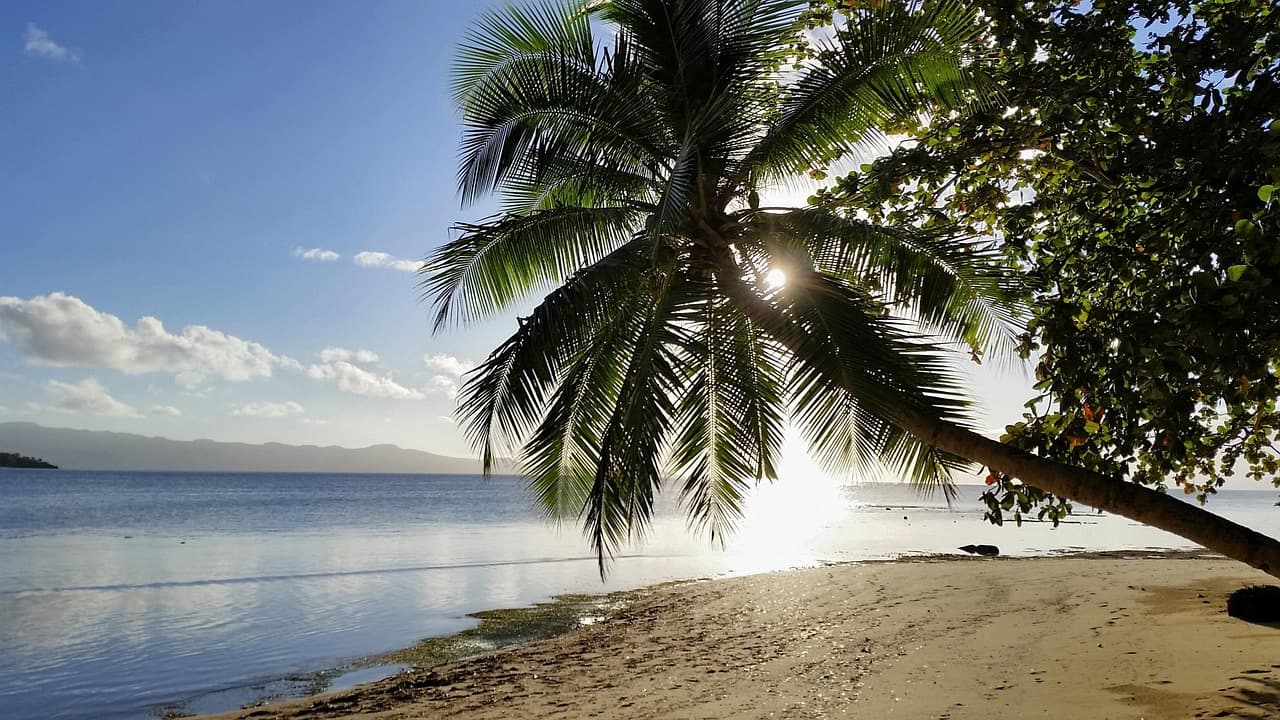
The agenda before COP31
UN pre-COP negotiations opened on Monday in Nadi, a city in Fiji, where Pacific leaders want global attention fixed on the impacts hitting their region first. The sessions in Nadi and on the atoll nation of Tuvalu this week are a preliminary meeting ahead of COP31, the UN-sponsored global climate summit scheduled for next month in Turkey.
Delegates in Fiji and Tuvalu will concentrate on three items:
- •Holding warming to the 1.5C limit
- •Improving access to climate finance
- •Giving greater weight to protecting oceans
A region on climate's front line
A UN report released in August supplies the numbers behind the urgency. It finds sea levels rising at a record pace, driven by warming oceans and glacier melt, and projects that up to 1.2 billion people could be displaced by 2050. The same assessment records Pacific island countries experiencing sea level rise at twice the global average.
The report also sets out the money shortfall facing adaptation:
- •Developing countries need $310-$365 billion to adapt
- •Adaptation finance available in 2023 stood at $26 billion
The South Pacific ranks among the world's most vulnerable regions to global warming, with rising seas jeopardising homes and increasing temperatures causing coral bleaching.
Messages from ministers and Tuvalu's warning
Fiji's climate minister Lynda Tabuya told the opening ceremony that the prime minister would deliver three messages to leaders this week: "keep 1.5 degrees within reach, make finance reach the communities that need it and give the ocean its rightful place in the climate regime".
Australia's climate minister Chris Bowen, president of negotiations for COP31, said: "Today in Fiji, we are again calling on the world to match ambition with delivery". He added that the discussions would centre on "capturing, capitalising on, and putting to work the knowledge of those who've been dealing with climate change here at its forefront". Regional leaders have pitched the pre-COP as a chance to bring the world to the Pacific.
Senior delegates will also gather for a one-day retreat on low-lying Tuvalu, a nation already laying plans to relocate its population if it is consumed by the ocean. The highest point in the capital, Funafuti, sits just two metres (6.6 feet) above sea level, and two of the country's nine coral atolls are already largely swamped by rising waters.
Prime Minister Feleti Teo told the UN General Assembly ahead of the talks that the danger is no longer distant:
"Sea-level rise is not a future threat, it is a present reality"
He said the world must act "now decisively, collectively, and with urgency to protect the future for generations to come".
Thin guest lists and a hypocrisy row
Organisers have tempered expectations. Officials conceded attendance would fall short of hopes, with fewer than a dozen world leaders publicly confirming they will attend, although Australia said last month that 4,000 people from 60 nations would come, without providing a full breakdown. On the streets of Nadi, most locals seemed unaware that a global summit was even taking place.
Among those attending will be Foreign Minister Shisir Khanal of Nepal, a country still recovering from August's Himalayan flood disaster, which killed nearly 1,500 people and left 5,800 missing in Nepal and China.
Only a handful of leaders are expected to join the Tuvalu leg of the trip. Marine scientist Rajneel Singh, part of a team that documented large-scale coral death around Tuvalu, said of the low interest: "It does make you think nobody cares".
Australia, a major coal exporter presiding over the climate talks, has faced accusations of hypocrisy, and campaigners accuse the government of "double talk" on climate change while urging leaders to listen to the Pacific communities hit hardest by warming. Australian officials have insisted the country is rapidly expanding its renewable energy sources. Greenpeace's Shiva Gounden said Australia, ahead of chairing COP31 with the Pacific, "must do much more to turn empty rhetoric into real action to end the fossil fuel chokehold".
The talks continue in Nadi and on Tuvalu this week before COP31 opens in Turkey next month.