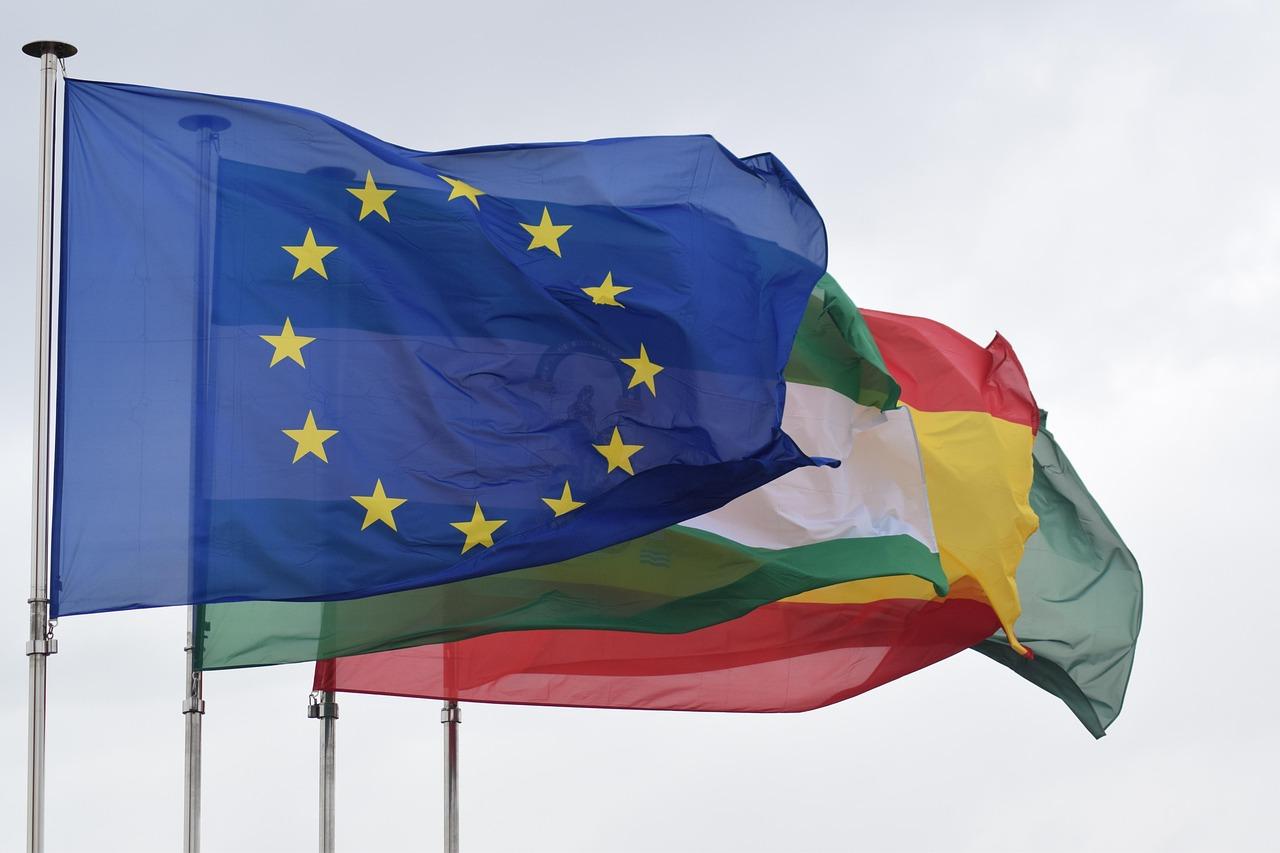
• Analysis
Trump's Asia trip: renewed foreign policy push after midterm repudiation
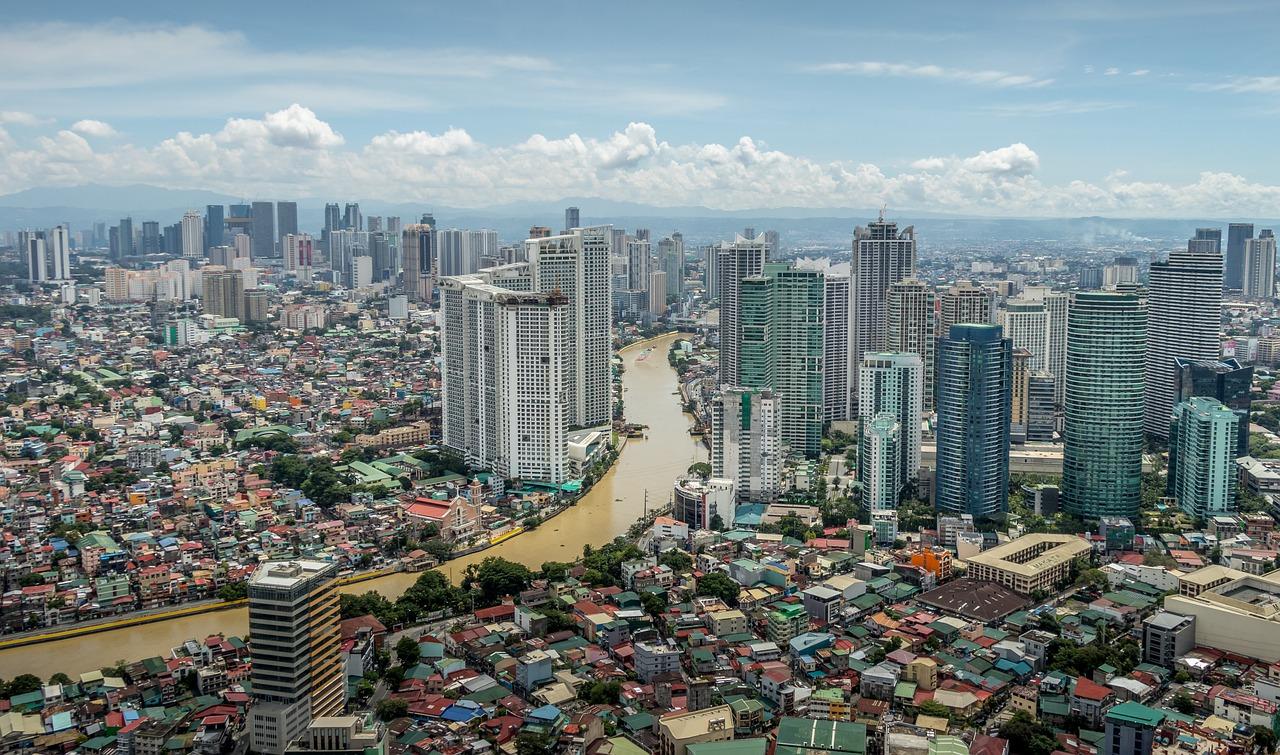
Donald Trump lands in Manila on Tuesday for the Asean summit, opening his first overseas trip since his party's midterm repudiation by US voters - a journey analysts read as a turn toward foreign policy for the rest of his term.
A post-midterms pivot abroad
Donald Trump's Asia trip begins in Manila on Tuesday, his first overseas travel since his Republican party's thumping midterm repudiation by US voters, and one that may herald a renewed foreign policy focus for the remainder of his presidency.
Lyle Goldstein, a China specialist at Brown University who visited Shenzhen last week, predicted Trump would turn increasingly to global affairs as the Democrats' wins in the House and Senate curtail his domestic influence, leaving him limited prospects for the next two years. Foreign policy, Goldstein argued, offers the president fewer constraints, and he suggested Trump could attempt a dramatic foreign policy flourish in Asia - such as an agreement with Kim Jong-un, with whom he has boasted a close relationship.
The itinerary: Manila, then Apec in Shenzhen
The week runs from Southeast Asia to China, with a sequence of summits stacked back to back:
- •Trump lands in Manila in the Philippines on Tuesday for the Association of Southeast Asian Nations (Asean) summit, where he is expected to sign a trade agreement with Thailand, push deals with other countries and lobby fellow leaders to favour the US over China on artificial intelligence.
- •He then attends the Asia-Pacific Economic Cooperation (Apec) forum in the Chinese city of Shenzhen, where he will join the first leaders' meeting of the Quad partnership - the US, Japan, India and Australia - since he returned to the White House in January 2025.
- •The centrepiece is the first trilateral summit between Trump, Xi Jinping and Vladimir Putin, held on the sidelines of Apec in Shenzhen.
- •Chinese foreign ministry spokesperson Mao Ning said on Monday the three leaders would exchange views in depth on safeguarding world peace and promoting strategic stability in major-power relations.
Why expectations are low
Analysts see little chance of a substantive result from the three-way meeting, and some detect a benefit flowing in only one direction. In their view, the main beneficiary is likely to be Putin, whose standing will be boosted by equal treatment from leaders of more powerful countries.
Jonathan Czin of the Brookings Institution pointed to Trump's lame duck presidency as a disincentive for Xi and Putin to sign long-term arrangements. "Both men know Trump's time is expiring even more quickly than his leverage – and that he will be irrelevant in a mere 26 months," Czin said. In his assessment, they will only deal with Trump if they think they can gain more from him diplomatically than from the next American president.
Some comparisons have run grander than the participants' own ambitions: a handful of analysts have likened the meeting to the 1945 Yalta conference of Winston Churchill, Franklin D Roosevelt and Joseph Stalin that divided postwar Europe. Goldstein rejected the parallel. "There will be no 'Yalta', as many have feared," he said.
The open questions shadowing the trip
Several issues remain unresolved as the summit approaches:
- •Ukraine fears that Putin - who initially suggested the trilateral meeting - will use it to persuade Trump and Xi to accept a settlement of the war on Moscow's terms.
- •Trump has said Ukraine will not be debated at the meeting at all. Its main purpose, he said, will be discussing ending the US's war with Iran and "denuclearisation" - limiting nuclear arms among the three powers. China, which has been increasing its nuclear arsenal, has signalled an unwillingness to enter reduction agreements until it is closer to parity with the US and Russia.
- •The China leg unfolds amid fallout from the Nvidia spying scandal, which prompted the company's chief executive, Jensen Huang, to resign over revelations of an affair with a woman suspected of being a Chinese spy. Huang had earlier persuaded the Trump administration to lift restrictions on the sale of Nvidia's AI chips to China imposed during Joe Biden's presidency.
- •Trump is under pressure to raise the Nvidia matter with Xi at their bilateral meeting on the sidelines of Apec, but has said he does not plan to bring it up. Administration officials insist the scandal will not be raised and that the meeting will be dedicated to implementing a trade agreement between the two superpowers.
- •White House officials said Elon Musk would accompany the president to Apec; the reason for his presence has not been explained. Musk, the Tesla and SpaceX entrepreneur, spent almost $500m (£380m) unsuccessfully supporting Republican candidates in this month's midterms.
Kim Jong-un is not expected to attend the Apec gathering, though rumours of a possible appearance have circulated. The next step is the Manila summit on Tuesday, where Trump is expected to sign the Thailand trade agreement.