• Analysis
What Happens if Democrats Win Congress in the US Midterm Elections
Americans vote in the US midterm elections on Tuesday, November 3, and the outcome could flip one or both houses of Congress to the Democrats. Either win would give the party new powers to check President Trump for the rest of his term.
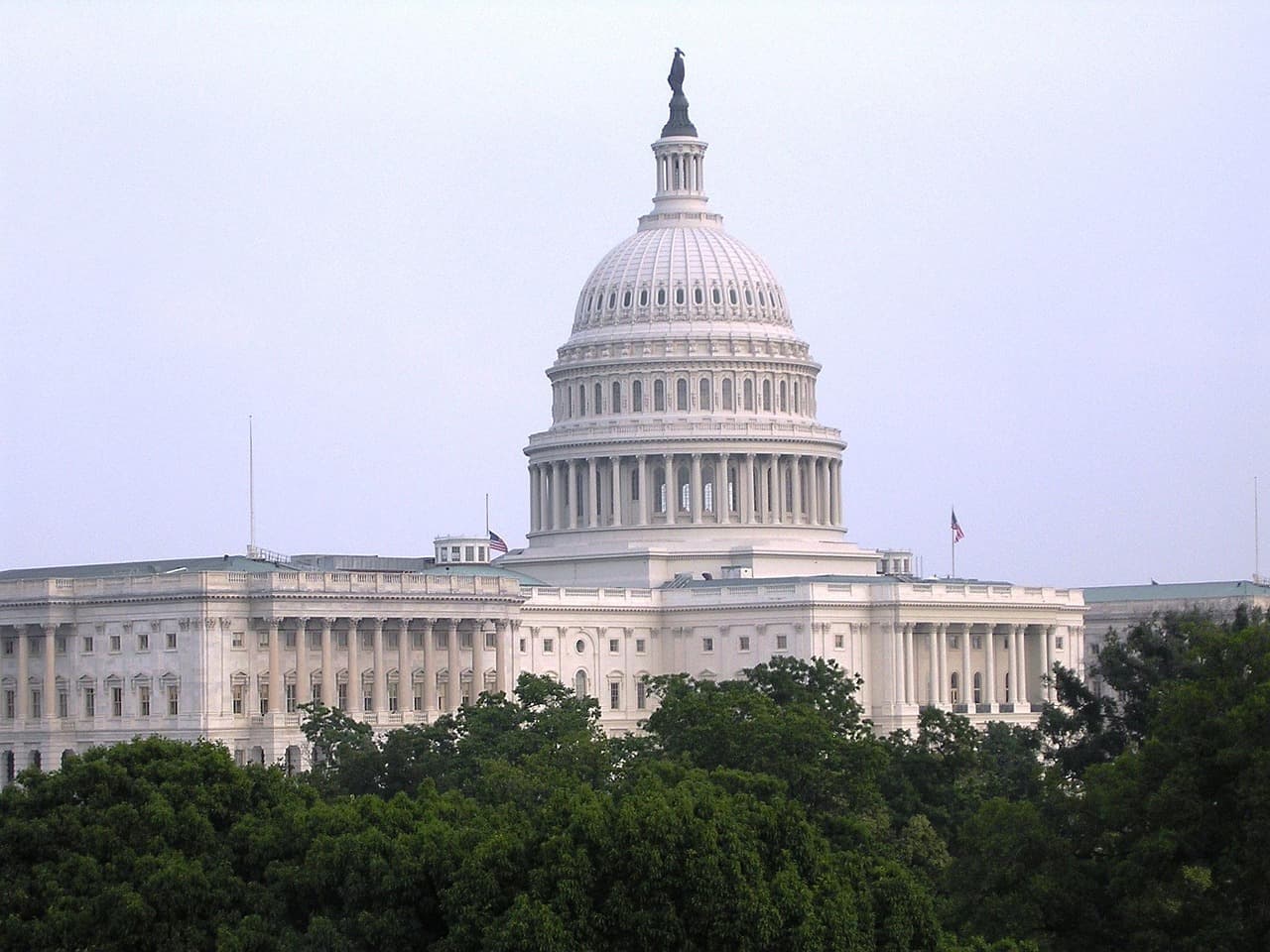
Why the midterms matter
Americans head to the polls on Tuesday, November 3, in the US midterm elections, and the result could flip the majority in one or both houses of Congress from Republican to Democratic control. Democrats are hopeful, boosted in part by President Donald Trump's low approval rating, concerns over the cost of living and the war with Iran.
The stakes are structural: the US Constitution grants the legislature certain powers to keep the executive branch in check, so winning either chamber would let Democrats rein in Trump for the remainder of his term. What those powers look like depends on which chamber flips.
- •A House win would bring committee chairmanships, investigative and subpoena powers, and leverage over tax bills.
- •A Senate win would bring control of the confirmation process and treaty votes.
- •Both chambers would open additional tools, including the Congressional Review Act.
The powers of a House majority
The House controls budgetary initiatives and Congress's primary investigative body, the House Committee on oversight, and all legislation to increase tax revenue starts there. A Democratic majority would hand the party the chairmanships of all congressional committees, which draft legislation, including the influential agriculture and armed services committees.
Those chairmanships carry teeth. Chairs have the unilateral power to launch investigations and subpoena witnesses, meaning Democrats could compel officials, political allies or Trump associates to testify under oath and hand over executive branch documents. The party has signalled it would investigate companies believed to have profited from the Trump administration, such as AI firms and the tech executives who run them.
A House majority would also let Democrats draft and vote on articles of impeachment against the president and his administration, though the effect may be limited - Trump was impeached twice in his first term and later acquitted by the Senate. House Democratic Leader Hakeem Jeffries has instead signalled he would seek to begin proceedings against Defense Secretary Pete Hegseth, 46, who already faces articles of impeachment over his management of the Iran war and the Pentagon.
Because all tax revenue bills originate in the House, Democrats would also be better placed to pressure Republicans, even by threatening a government shutdown. And the Speaker of the House decides which bills get a vote, with the power to kill or delay Republican-backed legislation indefinitely while it is still in the House.
What a Senate majority would change
The Senate plays by different rules. Each state has two Senators regardless of population - California, with more than 39 million residents, has the same number as Wyoming, with just over half a million.
A Democratic majority there would give the party power over the confirmation process for high-ranking executive officials, including Supreme Court justices, Cabinet members, and heads of federal agencies such as the FBI, the CIA and ICE. Senate Democratic leader Chuck Schumer said his party should win the Senate to prevent Trump from appointing "horrible justices, MAGA justices, on the Supreme Court and the lower courts". Democrats would also take over Senate committees such as the powerful intelligence or finance committees.
Foreign policy would face new obstacles too. The Constitution requires a two-thirds Senate majority to ratify an international treaty, so a party needs just 34 seats to block one, and controlling the Senate agenda would let Democrats refuse to consider Republican foreign policy bills in committee.
- •Most bills need 51 Senate votes to pass after debate.
- •Ending debate takes 60 votes, and that supermajority has become standard for overcoming a filibuster.
- •Reconciliation lets budget- and tax-related bills pass with a simple majority of 51.
A Democratic-controlled Congress would prevent Republicans from using that special budget tool, reconciliation, to pass legislation.
If Democrats win both chambers
With both chambers, Democrats could use the Congressional Review Act, a 1996 federal law under which a unified Congress can overturn recent federal agency regulations and bar similar future rules.
Even then, the checks would not be absolute. A Democrat-controlled Congress could force Trump to govern largely through executive orders, many of them likely to be challenged in court - but he would retain the presidential veto, which he could use to block legislation passed in Congress.