• Analysis
UK making up China policy 'as it goes along', MPs warn
UK China policy is being improvised rather than planned, a Commons select committee report concludes, warning the strategy risks being dictated by Washington or Beijing while chair Liam Byrne says British businesses cannot plan amid eleventh-hour decisions.
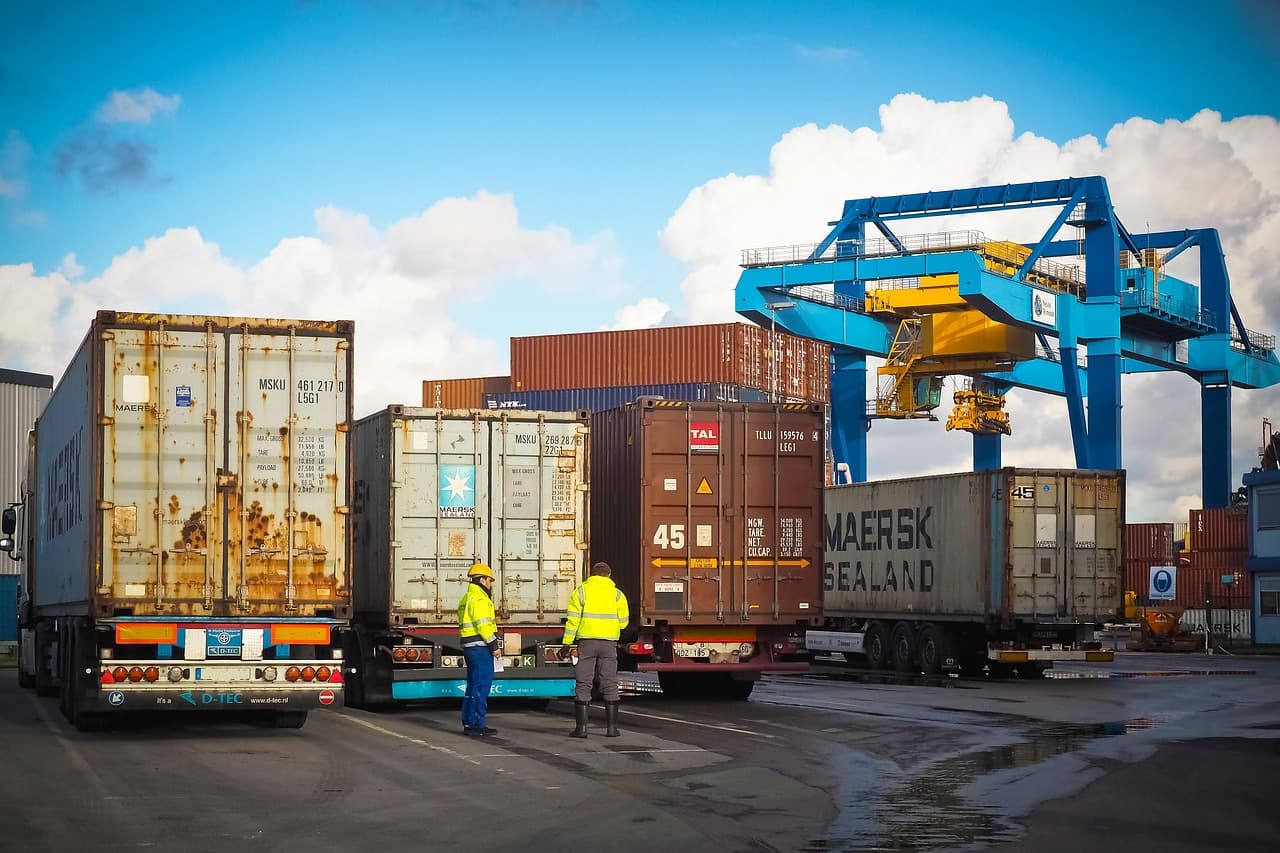
A parliamentary verdict on Britain's approach to Beijing is blunt: the UK is making up its China policy as it goes along, and risks having its strategy dictated by Washington or Beijing. The Commons business, innovation, science and trade select committee reached that conclusion after reviewing a relationship in which the government has delivered neither commercial opportunities for British firms nor control over growing exposure to unquantified risk in China relations.
The report singles out the government elected in 2024. It had promised a strategic, long-term and consistent approach to China, the committee noted, but had not delivered it. The result, in the MPs' finding, was a failure to formulate a coherent China strategy since 2024 that combined the worst of both worlds for the UK.
Committee verdict: worst of both worlds
The findings set out the scale of the problem:
- •The government can neither hand British businesses commercial opportunities in the Chinese market nor manage the increasing exposure to risk that has come with the relationship.
- •A coherent China strategy has been absent since 2024, despite the promise of one.
- •The 2024 government's stated commitment to a strategic, long-term, consistent UK approach to China remains unmet.
- •Without its own direction, the UK risks having its China strategy dictated by Washington or Beijing.
Byrne: businesses cannot plan
Committee chair Liam Byrne, a Labour MP, warned that the improvised approach endangers business with the EU and carries the risk of being cut off from big manufacturing contracts. He said British businesses cannot plan for the future while the government keeps making up its China policy as it goes along.
"Ministers promised clarity and consistency. Instead, we have opportunities missed, risks unmanaged and decisions left until the 11th hour," Byrne said.
Two episodes illustrate what the committee means. In March, the government blocked the Chinese firm Ming Yang from building a £1.5bn wind energy plant in Scotland over unspecified security risks, after years of negotiation. The report also cites the emergency takeover of British Steel from Chinese owners. Both, it said, were characterised by reactivity, inconsistency and opacity.
The MPs did acknowledge the other side of the ledger: British businesses run profitable operations in China, are ambitious to grow, and benefit from low-cost imports such as electric vehicles. The wider context has shifted too. Keir Starmer made the first official UK visit to China in January since Theresa May's trip in 2018, billed as ending the diplomatic ice age.
Europe moving faster
Byrne's second warning is that Britain's largest market is not standing still. Europe is changing fast, he said, proposing new trade protections as it gets bolder with Beijing and warier of Washington. He cautioned that new EU laws may trap Britain outside EU trade walls, cutting the UK off from its largest market.
The scale of the shift is visible in the numbers. China has benefited from an export boom that is now fuelling fears about deindustrialisation, alongside longstanding concerns over cyber espionage and national security. The country is on track to surpass last year's record $1.19tn trade surplus with the rest of the world. Last year it curbed exports of rare-earth minerals and chips in what the report describes as the weaponisation of trade, and the UK's partners are now moving further and faster.
What the MPs call for
The committee's answer is a framework rather than improvisation. The report calls for clear new rules of the game, with a red zone of industries off-limits to Chinese investment and a green zone where trade should be encouraged.
Its other recommendations include:
- •Combining the new strategy with preparations for trade remedies, including potential tariffs on EVs - something Downing Street has not ruled out.
- •Dynamic alignment with the EU, including on EV tariffs, which Byrne said should be considered as the price of a place in the EU's Made in Europe project.
The EU has already imposed tariffs on Chinese EVs, capped hybrid car imports from China, and is weighing a Franco-German proposal for a "kill switch" to block imports if China weaponises trade.
Business secretary Jonathan Reynolds said he will decide on EV tariff alignment in the best interests of the UK.