• Analysis
Swiss Referendum on Arms Exports Backed by Voters, Exit Poll Shows
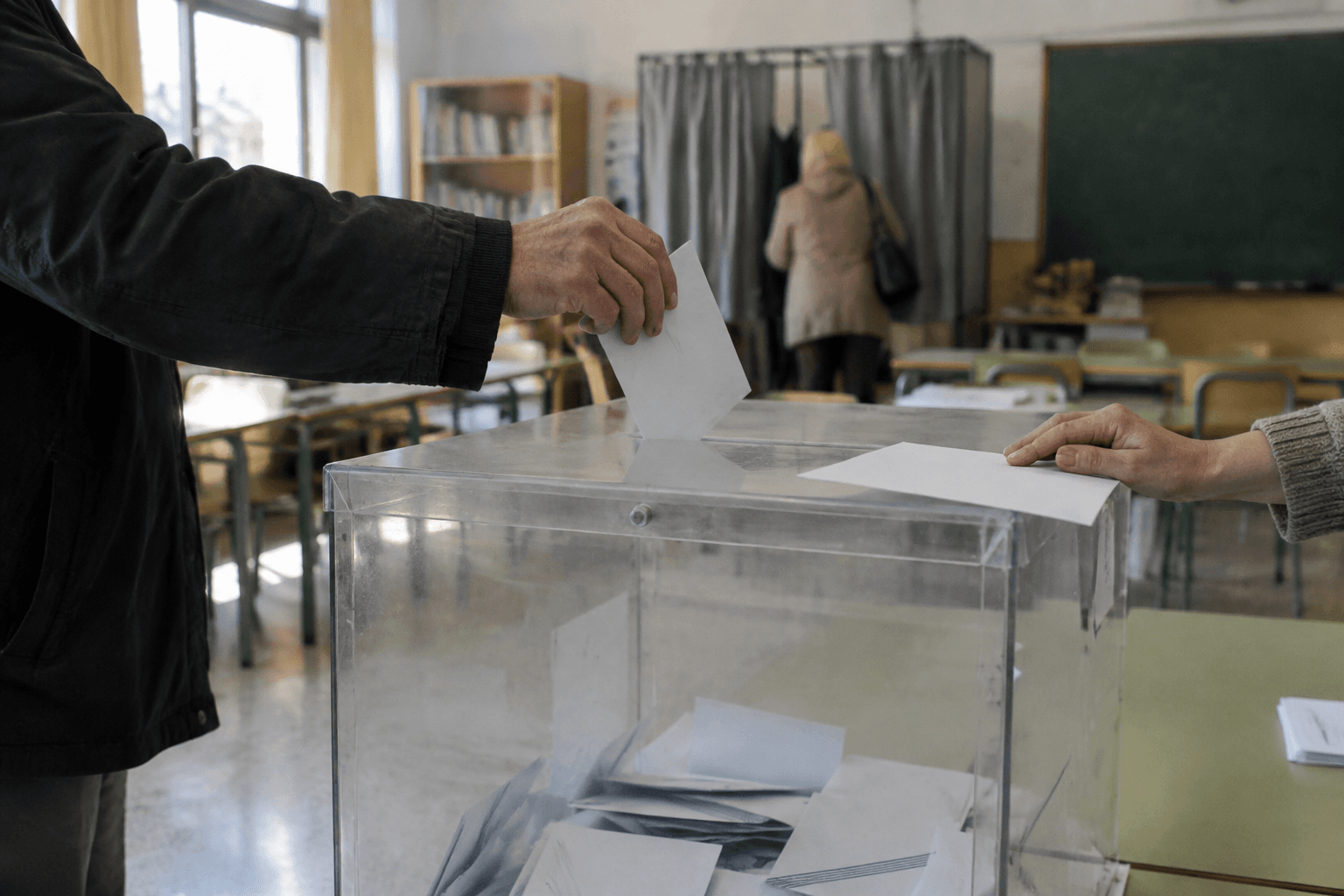
Swiss voters cast ballots on Sunday in a referendum on easing arms export restrictions that bar sales to countries at war, with an exit poll by gfs.bern suggesting the amendment was approved by 54 percent.
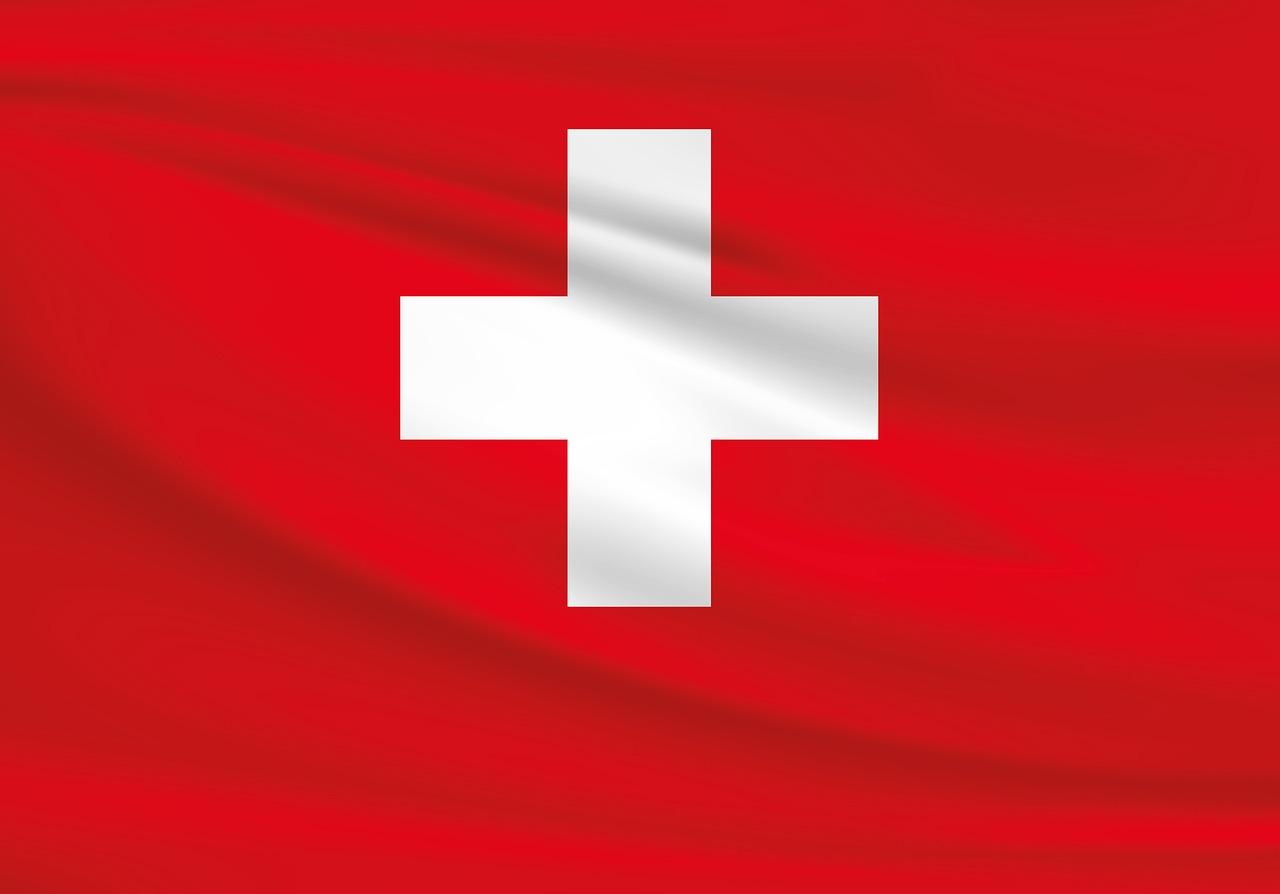
Swiss voters cast their ballots Sunday in a referendum on whether the neutral country should ease arms export restrictions that currently bar it from selling weapons to nations involved in armed conflicts. An exit poll released shortly after voting finished suggested the amendment had been approved, with the polling institute gfs.bern putting support at 54 percent.
Polling stations closed at 12pm (1100 GMT), with the vast majority of ballots having been cast by mail and first results expected soon after. The last three opinion polls, published on November 18, had put the camp backing the changes narrowly ahead in what was expected to be a close contest.
What the amendment allows
Under the current rules, Switzerland does not export weapons to countries involved in armed conflicts and insists on being consulted if clients want to transfer Swiss-made arms to another state. Parliament eased those restrictions last year, with government backing.
The amendments allow Switzerland to export military materiel to 36 named partner countries even during an international conflict, provided those countries do not grant a military advantage. The list of 36 covers European nations plus Argentina, Australia, Canada, Japan, New Zealand and the United States.
Why Switzerland debated its export rules
The government argued that Russia's 2022 invasion of Ukraine has changed Europe's security calculations. Proponents, including the centrist and right-wing parties, say the reform is essential to keep the Swiss arms industry competitive and secure its place in international supply chains.
Yvan Pahud, a member of the hard-right Swiss People's Party, said during the campaign that the issue was "retaining, within our territory, the expertise essential to our independence and security."
The sector is small but growing: Stockholm International Peace Research Institute estimates put Switzerland as the 20th-biggest arms exporter between 2021 and 2025, with a 0.3-percent share of the global market. Swiss arms exports rose by 43 percent to 948.2 million francs ($1.13 billion) in 2025, after two years of decline, mainly through ammunition, armoured vehicles and spare parts shipped to Germany.
The neutrality objection
Left-wing parties and NGOs used Switzerland's direct democracy system to force the referendum, arguing that the amendment endangers Swiss neutrality.
Monika Maire-Hefti, president of Caritas Switzerland, said: "it significantly increases the risk that Swiss weapons could indirectly end up in civil wars or in the hands of regimes that violate the law."
Around 20 NGOs, including Amnesty International Switzerland, condemned what they called "the dismantling of the main safeguards governing Swiss arms exports."
Ukraine stays outside the deal
Critics note the proposal includes no measures to support Ukraine, despite requests from several European countries since the 2022 Russian invasion.
- •The economy ministry says Switzerland's neutrality laws prevent weapons exports to Ukraine.
- •Because Switzerland maintains an embargo on military equipment against Russia, it may not supply such equipment to Ukraine either, the ministry says.
- •Indirect transfers to Ukraine would also remain subject to restrictions.
Swiss voters also decided on Sunday on increasing VAT to fund a pensions rise, restricting the sale and use of noisy fireworks, and changing the way married couples are taxed.