• Analysis
SS United States artificial reef: fastest ocean liner set to sink beneath the Gulf of Mexico
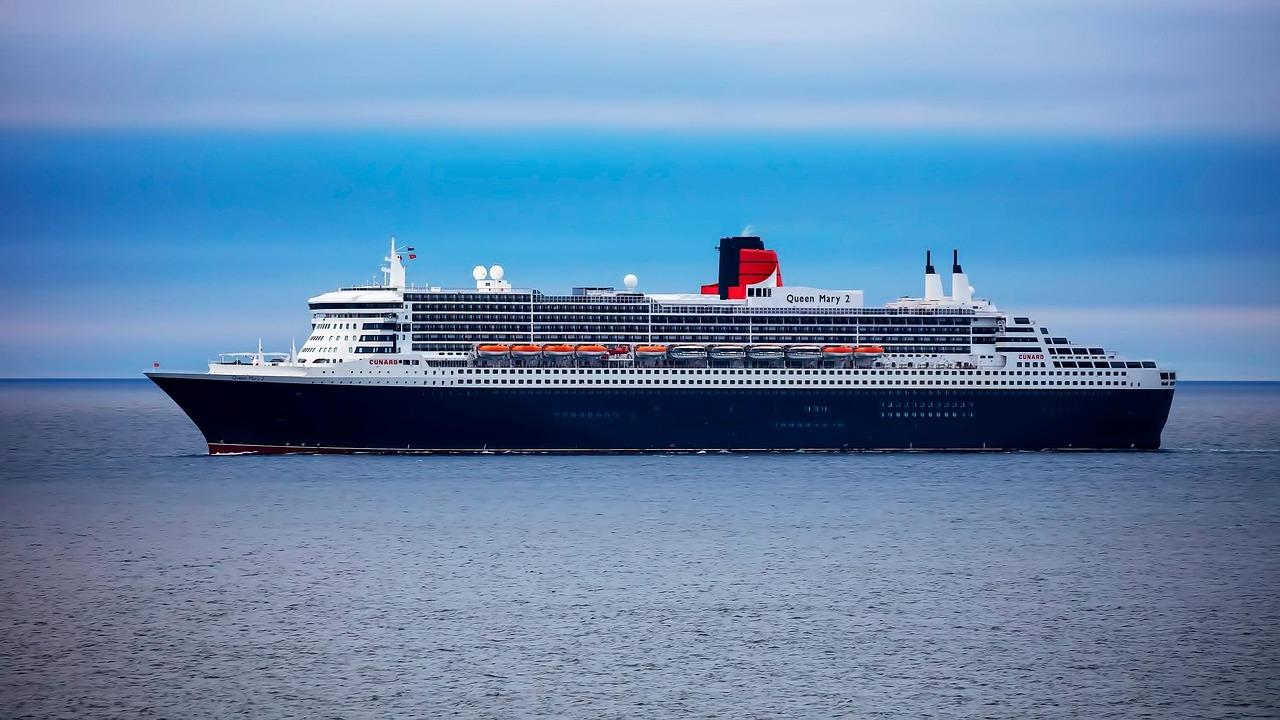
The SS United States, the fastest ocean liner ever built and holder of the transatlantic speed record, is to be scuttled off the Florida coast on Wednesday afternoon to become the world's biggest artificial reef.
A record-breaking liner's final voyage
Final preparations were under way on Tuesday to sink the SS United States in the Gulf of Mexico as an artificial reef. Five tugboats moved the rusting ship from a quayside in Mobile, Alabama, on Monday for the journey to a site 25 miles off Destin, Florida. There the vessel will be scuttled in a precision operation on Wednesday afternoon.
It will be sunk by controlled flooding, so no explosives will be used, and stripped of its two giant funnels and mast.
The ship that still holds the blue riband
Despite its long idle years, the ocean liner still holds the blue riband for the fastest transatlantic crossing by a passenger liner. Its July 1952 eastbound journey of three days, 10 hours and 40 minutes, at an average of almost 36 knots (41.4mph), has never been surpassed.
In its heyday more than half a century ago, the ship carried presidents, royalty and celebrities between Europe and America.
From stalled rescue plans to county ownership
The liner was withdrawn from service by the now defunct United States Lines in 1969, amid declining passenger numbers and the growth of transatlantic air travel. Successive plans - a floating hotel, a museum, a hospitality venue - never raised enough money or momentum, and the ship languished at docksides in Virginia and Pennsylvania while a legal fight over its future played out and it passed through several owners.
- •The SS United States Preservation Society, a non-profit founded in 1992, saved the ship from being scrapped.
- •In 2021 Philadelphia port authorities doubled the daily dockage fees to $1,700, an amount the conservancy said it could not afford.
- •The fast-deteriorating vessel was eventually evicted by court order in 2024.
- •Florida's Okaloosa county stepped in to purchase it for $1m later that year and advanced the reef project.
Months of preparation work followed the ship's relocation to Mobile, including removing internal fixtures and toxic materials.
What divers will find - and what comes next
Divers will be able to visit the 990ft (300-meter) scuttled ship on the seabed, a depth of about 180ft, from this weekend. Plans are already advanced for a shore-based museum featuring the funnels and items from the ship, and a pier for diving trips to the reef.
Susan Gibbs, the conservancy's president and co-founder and the granddaughter of the liner's designer William Francis Gibbs, said the ship's new role as an artificial reef keeps it alive.
She's being reefed and will remain intact and will become a vibrant and dynamic marine habitat.
While she will soon rest beneath the waves, her story will live on, Gibbs said.