Tuesday, November 10, 2026

english

HAUT MONDE

POST

Business

• Analysis

US inflation October CPI report shows 0.4% rise as gas prices dip

US consumer prices rose 0.4% from September to October, the US inflation October CPI report shows, a slight cooldown in price increases that came as gas prices fell and after a midterm election shaped by frustration over high prices.
By Haut Monde Post

• November 10, 2026

• 3 Min Read

US inflation October CPI report shows 0.4% rise as gas prices dip

What the CPI showed

The consumer price index, which measures the price of a basket of goods and services, climbed 0.4% from September to October, a figure slightly above expectations but still a slowdown in the pace of price increases. For once, the Bureau of Labor Statistics published no year-over-year comparison: data was not collected in October 2025 because of the government shutdown, so the usual annual figure is missing.

  • •Inflation has run above an annualized 3% since the Iran war began in late February, with higher energy costs the main driver.
  • •It peaked at 4.2% in May, a three-year high, and has since moved between 3.4% and 3.7%.
  • •September's monthly rise from August was 0.6%, meaning October's energy-driven increases continued but at a slower clip.

Gas prices at the pump

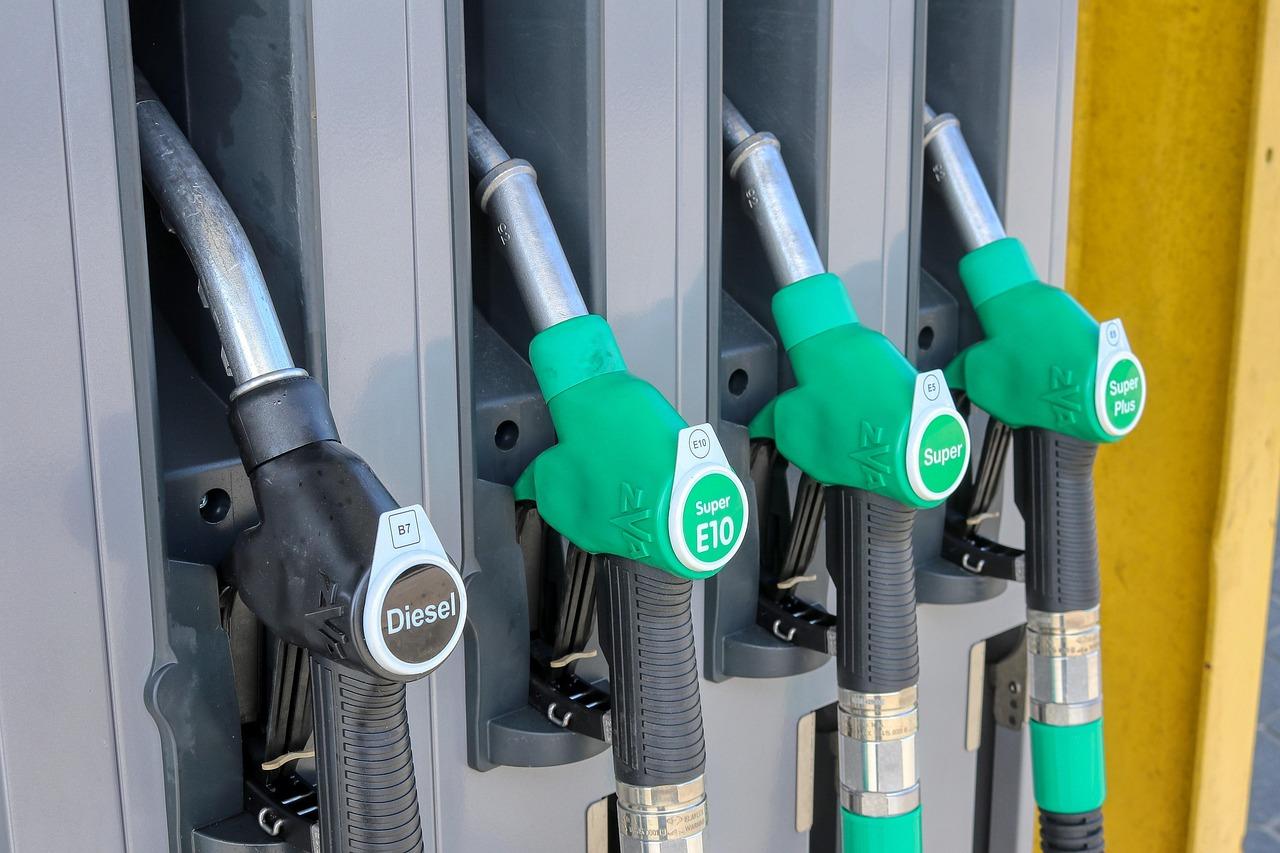
Pump prices have been moving the other way. The average gallon of gas fell from $4.41 at the start of October to $4.22, according to AAA - though that is still more than $1 above a year ago. On Monday the average dropped below $4 a gallon for the first time since July. Diesel tells a harsher story: it costs nearly $2.50 a gallon more than last year, even though it has been declining since October.

The numbers landed after a midterm election that will hand Democrats control of Congress, a result widely read as a rebuke of Republicans over the cost of living. Republicans, including JD Vance, have specifically pointed to voter frustration over higher gas prices when explaining the party's losses.

The Federal Reserve's next move

In September the Federal Reserve raised interest rates for the first time since 2023, and it is expected to hike again at its December meeting. Higher rates work by making borrowing more expensive, cooling the economy and, with it, inflation; the Fed's target rate of inflation is 2%. October's labor market growth beat economists' expectations, giving the central bank more room to act, with unemployment holding just above 4%.

Fed chair Kevin Warsh said on 28 October that the central bank is committed to easing price increases.

"Our job is to ensure that relative price changes in some sectors do not broaden across the economy."

How consumers and markets reacted

Consumer sentiment ticked up slightly at the end of October as gas prices eased, according to the University of Michigan's Survey of Consumers, even as the stock market dipped on investor skepticism about AI spending. Joanne Hsu, director of the Surveys of Consumers, noted that sentiment fell 5% among consumers with the largest stock portfolios and that comments revealed growing anxiety over a possible AI bubble.

The Federal Reserve is expected to raise interest rates again at its December meeting.

HAUT MONDE POST

Independent journalism of the highest standard. A chronicle of world culture, politics, arts, and public thought.

Publication

AboutEditorial

Newsletter

Get the best Haut Monde Post content delivered to your inbox every week.

© 2026 Haut Monde Post. All rights reserved. Digital edition hautmondepost.com.

Tuesday, Nov 10, 2026

english

Business

• Analysis

US inflation October CPI report shows 0.4% rise as gas prices dip

US consumer prices rose 0.4% from September to October, the US inflation October CPI report shows, a slight cooldown in price increases that came as gas prices fell and after a midterm election shaped by frustration over high prices.

By Haut Monde Post

Nov 10, 2026 • 3 Min Read
US inflation October CPI report shows 0.4% rise as gas prices dip

What the CPI showed

The consumer price index, which measures the price of a basket of goods and services, climbed 0.4% from September to October, a figure slightly above expectations but still a slowdown in the pace of price increases. For once, the Bureau of Labor Statistics published no year-over-year comparison: data was not collected in October 2025 because of the government shutdown, so the usual annual figure is missing.

  • •Inflation has run above an annualized 3% since the Iran war began in late February, with higher energy costs the main driver.
  • •It peaked at 4.2% in May, a three-year high, and has since moved between 3.4% and 3.7%.
  • •September's monthly rise from August was 0.6%, meaning October's energy-driven increases continued but at a slower clip.

Gas prices at the pump

Pump prices have been moving the other way. The average gallon of gas fell from $4.41 at the start of October to $4.22, according to AAA - though that is still more than $1 above a year ago. On Monday the average dropped below $4 a gallon for the first time since July. Diesel tells a harsher story: it costs nearly $2.50 a gallon more than last year, even though it has been declining since October.

The numbers landed after a midterm election that will hand Democrats control of Congress, a result widely read as a rebuke of Republicans over the cost of living. Republicans, including JD Vance, have specifically pointed to voter frustration over higher gas prices when explaining the party's losses.

The Federal Reserve's next move

In September the Federal Reserve raised interest rates for the first time since 2023, and it is expected to hike again at its December meeting. Higher rates work by making borrowing more expensive, cooling the economy and, with it, inflation; the Fed's target rate of inflation is 2%. October's labor market growth beat economists' expectations, giving the central bank more room to act, with unemployment holding just above 4%.

Fed chair Kevin Warsh said on 28 October that the central bank is committed to easing price increases.

"Our job is to ensure that relative price changes in some sectors do not broaden across the economy."

How consumers and markets reacted

Consumer sentiment ticked up slightly at the end of October as gas prices eased, according to the University of Michigan's Survey of Consumers, even as the stock market dipped on investor skepticism about AI spending. Joanne Hsu, director of the Surveys of Consumers, noted that sentiment fell 5% among consumers with the largest stock portfolios and that comments revealed growing anxiety over a possible AI bubble.

The Federal Reserve is expected to raise interest rates again at its December meeting.

HAUT MONDE POST

Independent journalism of the highest standard. A chronicle of world culture, politics, arts, and public thought. Published and printed daily in Paris, France.

Publication

AboutEditorial

Newsletter

Get the best Haut Monde Post content delivered to your inbox every week.

© 2026 Haut Monde Post. All rights reserved. Digital edition hautmondepost.com. Published in Paris.

Tuesday, Nov 10, 2026

english

Business

• Analysis

US inflation October CPI report shows 0.4% rise as gas prices dip

US consumer prices rose 0.4% from September to October, the US inflation October CPI report shows, a slight cooldown in price increases that came as gas prices fell and after a midterm election shaped by frustration over high prices.

By Haut Monde Post

US inflation October CPI report shows 0.4% rise as gas prices dip

What the CPI showed

The consumer price index, which measures the price of a basket of goods and services, climbed 0.4% from September to October, a figure slightly above expectations but still a slowdown in the pace of price increases. For once, the Bureau of Labor Statistics published no year-over-year comparison: data was not collected in October 2025 because of the government shutdown, so the usual annual figure is missing.

  • •Inflation has run above an annualized 3% since the Iran war began in late February, with higher energy costs the main driver.
  • •It peaked at 4.2% in May, a three-year high, and has since moved between 3.4% and 3.7%.
  • •September's monthly rise from August was 0.6%, meaning October's energy-driven increases continued but at a slower clip.

Gas prices at the pump

Pump prices have been moving the other way. The average gallon of gas fell from $4.41 at the start of October to $4.22, according to AAA - though that is still more than $1 above a year ago. On Monday the average dropped below $4 a gallon for the first time since July. Diesel tells a harsher story: it costs nearly $2.50 a gallon more than last year, even though it has been declining since October.

The numbers landed after a midterm election that will hand Democrats control of Congress, a result widely read as a rebuke of Republicans over the cost of living. Republicans, including JD Vance, have specifically pointed to voter frustration over higher gas prices when explaining the party's losses.

The Federal Reserve's next move

In September the Federal Reserve raised interest rates for the first time since 2023, and it is expected to hike again at its December meeting. Higher rates work by making borrowing more expensive, cooling the economy and, with it, inflation; the Fed's target rate of inflation is 2%. October's labor market growth beat economists' expectations, giving the central bank more room to act, with unemployment holding just above 4%.

Fed chair Kevin Warsh said on 28 October that the central bank is committed to easing price increases.

"Our job is to ensure that relative price changes in some sectors do not broaden across the economy."

How consumers and markets reacted

Consumer sentiment ticked up slightly at the end of October as gas prices eased, according to the University of Michigan's Survey of Consumers, even as the stock market dipped on investor skepticism about AI spending. Joanne Hsu, director of the Surveys of Consumers, noted that sentiment fell 5% among consumers with the largest stock portfolios and that comments revealed growing anxiety over a possible AI bubble.

The Federal Reserve is expected to raise interest rates again at its December meeting.