• Analysis
Spain election: Sanchez closes campaign in Madrid as polls keep PP ahead
Prime Minister Pedro Sanchez held his final rally of Spain's election campaign in Madrid on Friday, the last day before Sunday's vote, with polls placing his Socialists behind the Popular Party.
Sanchez's last stand in Madrid
With Spain's election two days away, Prime Minister Pedro Sanchez spent the final day of campaigning on Friday at a closing rally in Madrid. Opinion polls have consistently placed his Socialists behind the right-wing Popular Party, which is tipped to take the most seats in another hung parliament.
Sanchez used the rally to urge left-wing voters to turn out and defeat a possible PP-Vox coalition, which he said would amount to a "regression" for the country.
The closing pitch leaned on themes Sanchez has pressed throughout his eight years in power: an outspoken defence of immigration, clashes with US President Donald Trump and sharp criticism of Israel on the international stage. He has also tried to harness anger over the housing crisis, pushing through tenant measures earlier this month.
Where the rivals finished
The two opposition leaders chose their closing stages away from the capital, each courting a different part of the country.
- •Popular Party leader Alberto Nunez Feijoo ended his campaign in Seville, capital of the southern Andalusia region. He governed the northwestern region of Galicia for 13 years and has repeatedly attacked Sanchez over a series of high-profile corruption scandals.
- •Vox leader Santiago Abascal held his final rally in the eastern city of Valencia. His party has centred its campaign on immigration, an issue that dominated politics after tens of thousands of migrants entered the north African city of Ceuta in July.
According to Paloma Roman, a politics expert at Madrid's Complutense University, the right-wing bloc's campaign has centred on "kicking out Sanchez".
What the polls and turnout may decide
The Spanish polls point to a Popular Party win, but not a clear one: projections have the PP taking the most seats in another hung parliament. Some recent surveys have suggested the gap between the Socialists and the PP is narrowing, keeping alive the prospect of another Sanchez comeback.
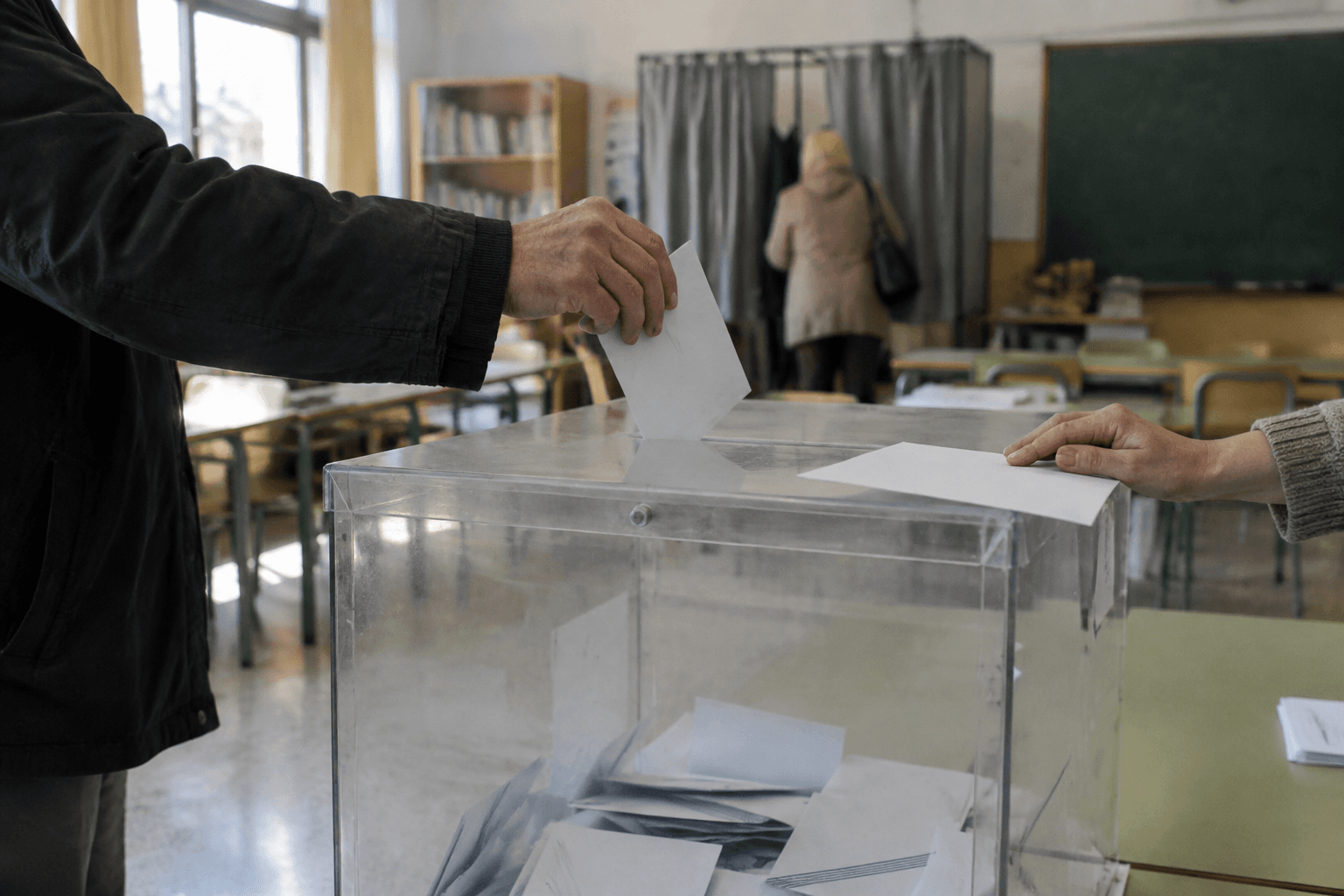
Roman said the final hours would be decisive for Sanchez to motivate stay-at-home voters, who tend to favour the left. She predicted turnout on Sunday would be "very high, perhaps 78 percent", though she noted it remains unknown whether the left can surge enough to overtake the right-wing bloc.
Why the vote was called
The snap election was not on the calendar until October, when the right's rejection of urgent housing decrees prompted Sanchez to call a vote originally scheduled for 2027. The right, for its part, has blamed Sanchez's successive governments for soaring housing costs.
Economic figures landed on the campaign's last day: provisional data released on Friday showed inflation in Spain, the EU's fourth-largest economy, hitting 4.1 percent in November.
Polls close on Sunday, opening an electoral cycle over the next 12 months that could reshape the balance of power within the EU.