• Analysis
Woman with terminal cancer traumatised by Sainsbury's facial recognition error over wrongful shoplifting ban
Monia Indge, 58, who has terminal cancer, was falsely accused of shoplifting and banned for life from a Bromley Sainsbury's on 7 November after a staff facial recognition error; the company apologised ten days later and offered her a £150 voucher.
Escorted out and banned for life
Monia Indge, a 58-year-old former teacher with terminal cancer, was shopping with her husband at the Walters Yard branch of Sainsbury's in Bromley on 7 November when staff told her to leave and said she was banned for life. She had been falsely accused of shoplifting after a facial recognition misidentification, and she later described being left traumatised and violated by the wrongful shoplifting ban.
According to her account, several security guards escorted her from the shop, and she got no answer when she asked what she had done wrong.
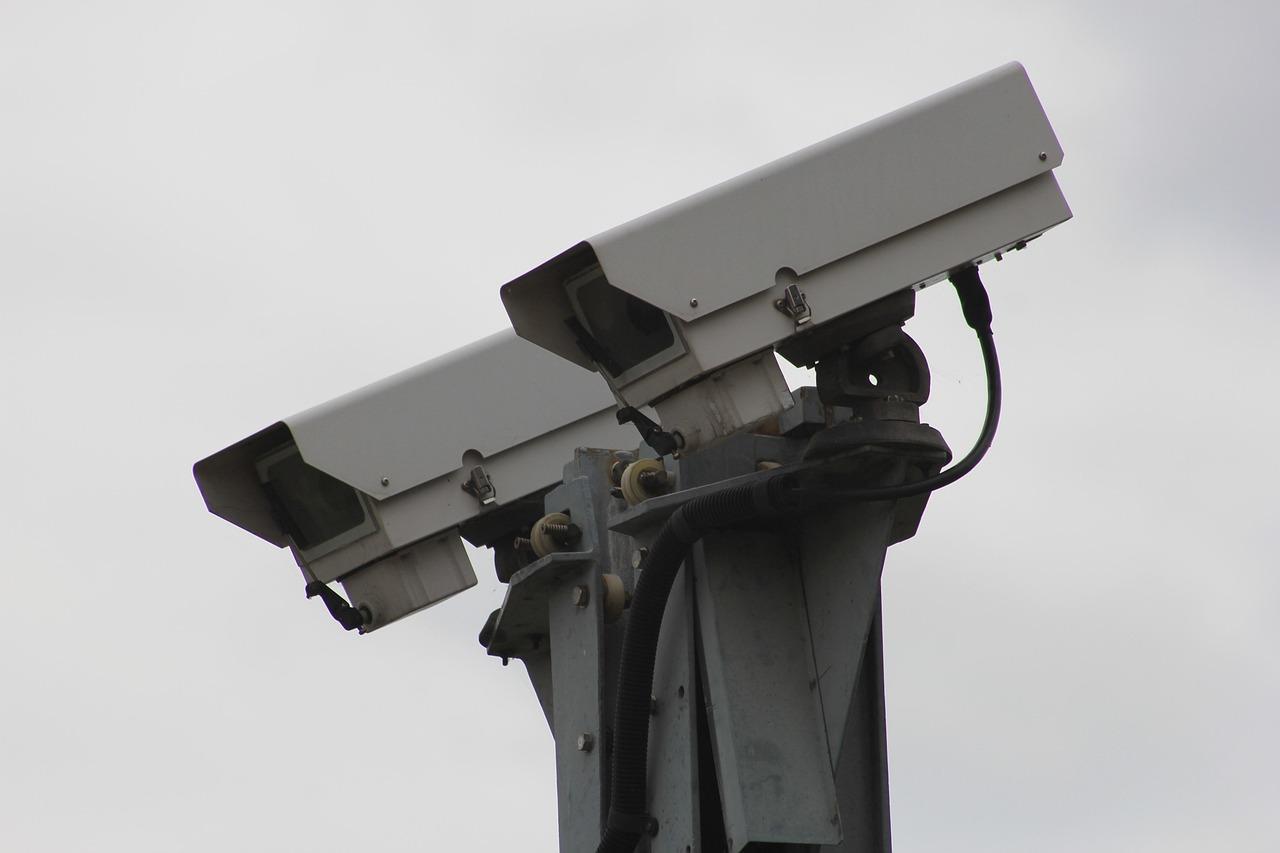
- •She was told to scan a QR code directing her to FaceWatch, the facial recognition system behind the alert
- •FaceWatch is used by more than 125 retailers across the UK
- •The system is being rolled out in 200 Sainsbury's stores this year
'I am not a glitch'
Indge said the shock of being surrounded by security guards was scary, and that she feared her reputation as a former teacher had been ruined. Clearing her name consumed time she has little of: she said the anxiety was unbearable and she could not sleep.
Ten days after the incident, Sainsbury's responded with an apology, explaining that it had been a human error and offering her a £150 voucher. Indge remained unconvinced.
They view this as a glitch. I am not a glitch, I am a human being.
Not an isolated case
Indge is the latest in a string of people misidentified by FaceWatch facial recognition and asked to leave shops, a pattern that highlights growing concerns about retail staff being tasked with verifying real-time facial recognition alerts.
- •Large high-street chains including Sainsbury's, B&M, Sports Direct and Home Bargains all use FaceWatch to combat rising shop theft and antisocial behaviour
- •The system scans shoppers' faces against a database of people who have allegedly committed offences
- •In Indge's case, a member of staff mistook her for someone else who had been flagged in a FaceWatch alert
Weeks earlier, on 24 October, Oleh Sinkevych, 44, walked into his local Sainsbury's branch in Canada Water to buy groceries and was asked to leave by two staff. He said they refused to talk to him when he asked what had happened.
Sainsbury's emailed Sinkevych an apology citing a manager's mistake and a £150 voucher - the identical email Indge received a month later. He replied that he was not interested in any vouchers or certificates, and said the only thing worse than staff dealing with aggression and theft is innocent people being wrongly accused. He has complained to the Information Commissioner's Office, saying the system was fundamentally broken and the software was leading staff to switch off their own judgement.
Campaigners and regulators respond
Jack Coulson, head of advocacy at Big Brother Watch, said live facial recognition had turned shop workers into untrained police officers, and he urged the ICO to take action. The ICO is advising the government on new biometrics laws and sets out guidelines on how facial recognition may be used; campaigners say it should do more to protect consumers.
Big Brother Watch held a summit in parliament last month for people misidentified by facial recognition. Sainsbury's and FaceWatch were invited to represent their views, but neither attended. Labour MP Allison Gardner, for Stoke-on-Trent, chaired the event and said she was shocked, adding: Nobody really understands where liability lies.
A Sainsbury's spokesperson said the firm has sincerely apologised to Mr Sinkevych and Mrs Indge for their experiences in its stores, and that facial recognition helps keep colleagues and customers safe amid high retail crime. The company said the technology has been hugely successful, with eight in ten people added to the system not returning to reoffend, and that errors prompt training and support.
A Facewatch spokesperson said that in both cases the system correctly flagged the individuals it was looking for, but that the human check is an important safeguard which shares responsibility for it working every time. The company said it is working closely with the Sainsbury's team to support the managers and identify further training needs.
An ICO spokesperson said facial recognition can help retailers detect and prevent crime, but that its use must comply with data protection law and retailers should consider the risk of misidentification.