World
• Analysis
Russia attacks Ukraine power plants as intercepted plan targets the grid
Russian missiles and drones struck power plants in Kyiv and Kharkiv this week, causing rolling blackouts and water outages, and the attacks on Ukraine's energy infrastructure continued even after Donald Trump unilaterally declared an "energy ceasefire" last week.
By Haut Monde Post
• October 16, 2026
• 3 Min Read
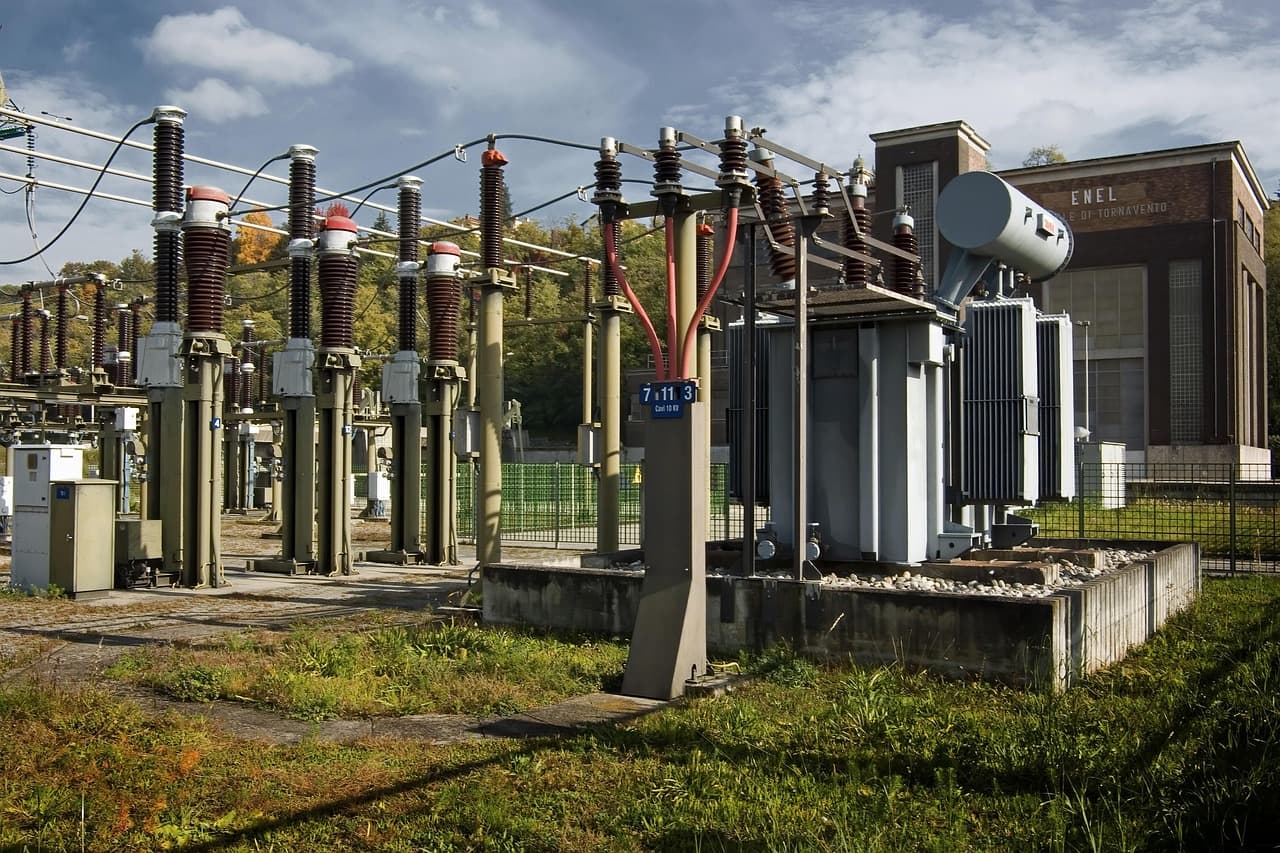
Strikes continue despite energy ceasefire
Last week, Donald Trump unilaterally declared an "energy ceasefire" between Moscow and Kyiv. Russia continued with its methodical strikes on the grid all the same: this week, missiles and drones slammed into power plants in Kyiv and Kharkiv, leaving residents with rolling blackouts and water outages.
The bombing campaign also fits a plan Ukrainian intelligence says it intercepted from Russia last month - an assessment of the country's energy, housing and utilities sectors that Ukraine's energy minister first briefed European allies about last month, and which the New York Times first reported.
The intercepted targeting document
The document, titled Analysis of Ukraine's Energy, Housing and Utilities Sectors, does not specify which Russian agency developed it. European officials believe it was likely produced by analytical departments linked to the Russian military or intelligence agencies, and that copies circulated in Ukraine in previous years.
It lists vulnerable grid targets and even contemplates strikes against high-risk sites, including the switchyards at several nuclear power plants. Its stated aim is to make life in Ukrainian cities unliveable by destroying electricity generation, heating, water and sewage systems, creating what it calls a "large-scale municipal infrastructure crisis."
The weapons allocations are specified in detail:
- •Geran 4/5 jet-powered drones and hypersonic or cruise missiles against thermal power plants, substations and water pumping stations
- •Tables setting out the number of weapons needed for each facility, from ballistic missiles to jet-powered and conventional drones
- •A projection that the campaign could destroy more than 90% of the power Kyiv is budgeted for each winter
Ukraine's energy ministry asked that some specifics of the military assessment be withheld, saying publication could aid further strikes. Denys Shmyhal, who spoke about the documents last month, described their contents bluntly: "There are two large documents, written very coldly and very clearly, with tables showing the number of weapons needed for each facility to destroy it."
Kyiv's power plants knocked out
On Tuesday night, Russian strikes hit three major power plants in the Kyiv region: Combined Heat and Power Plants 4 and 5 and the Trypillya Thermal Power Plant. A major substation transferring electricity from two nuclear power plants to the capital was also hit.
Those substations form part of the "Kyiv energy ring" that helps bring electricity from across the country to the capital, a city of 3 million people. On Thursday, Economic Pravda reported that Kyiv's three major power plants can no longer generate electricity, leaving the city more reliant on power from elsewhere. Experts predicted up to eight hours of blackouts daily in a moderate winter.
Winter blackout projections and air defence gap
The worst case is darker. Projections see blackouts lasting up to 20 hours a day until damaged equipment is repaired. Ukraine is also badly outgunned on what officials call its energy "frontline": its stocks of US-provided PAC-3 missiles have dwindled.
President Volodymyr Zelenskyy this week castigated Kyiv city authorities for poor planning for the winter and failing to protect energy infrastructure. Protests over heat and electricity blackouts are planned for Saturday.
Analyst Volodymyr Fesenko said last year Ukraine was on the brink, and that this year's risk is worse. "There's a very high chance that Russia tries to break us this winter," he said, suggesting the Kremlin may have given up on a clean military victory and now focuses on destroying infrastructure.
Ukraine's energy ministry did not answer questions on how the current Russian bombing strategy matched the proposals in the document or which Russian agency developed it.