World
• Analysis
Israeli settlers attack diplomats in West Bank town of Taybeh
Israeli settler militants attacked European diplomats, a French mayor and the archbishop of Cambrai during an olive harvest visit to Taybeh in the occupied West Bank on Saturday, injuring three people and damaging cars.
By Haut Monde Post
• October 17, 2026
• 4 Min Read
What happened in Taybeh
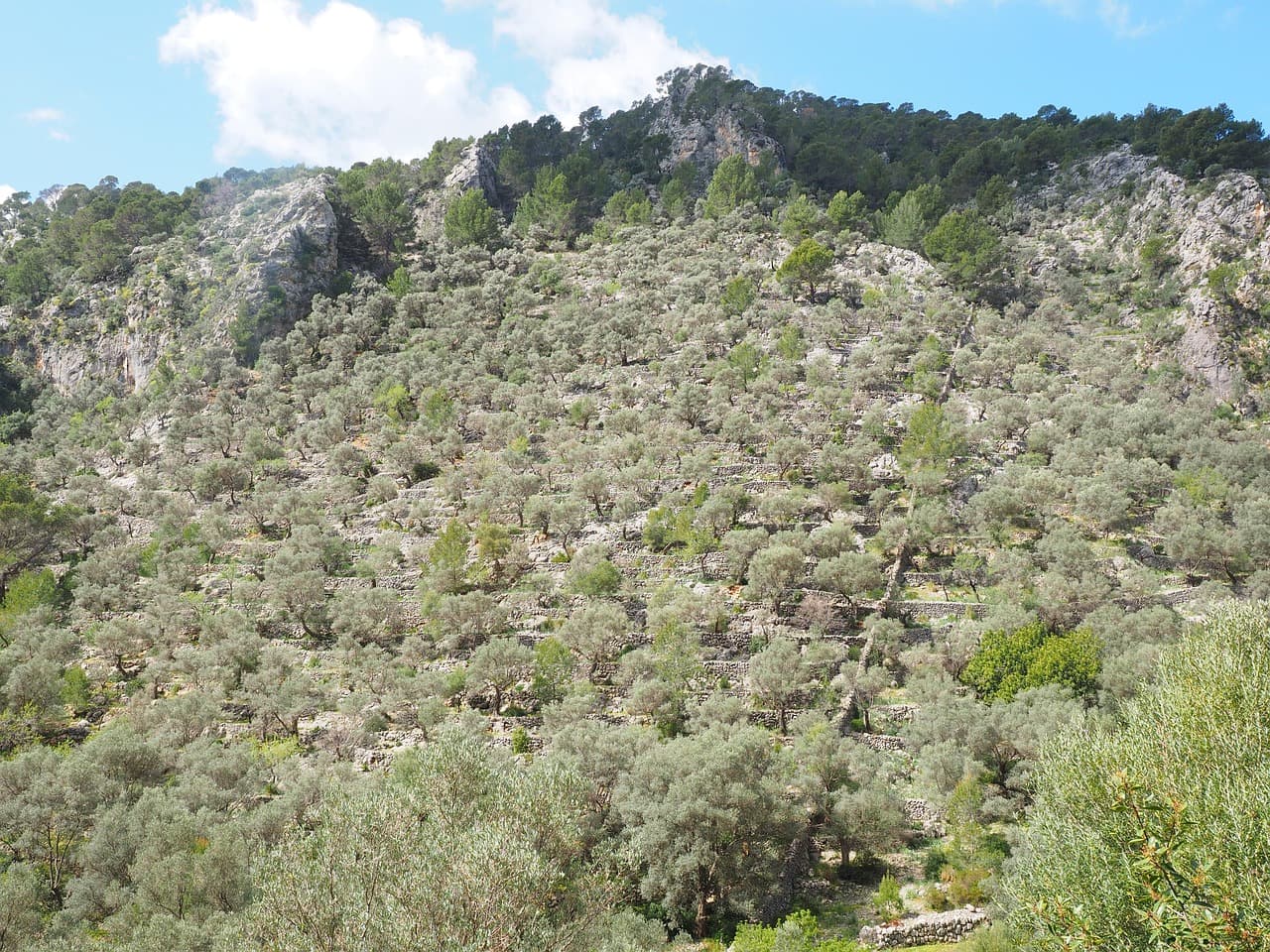
Israeli settler militants attacked European diplomats, a French mayor and the archbishop of Cambrai in Taybeh on Saturday, injuring three people and damaging vehicles, in the latest violent attempt to prevent Palestinians from harvesting olives on their own land. The group was on the hills near Taybeh alongside the French consul general in Jerusalem, his wife and other diplomats, as well as the Belgian and Polish consuls.
Settlers first targeted people working on the lower slopes. Bernard Baudoux, mayor of Aulnoye-Aymeries, was wearing his red, white and blue sash of office and getting into a vehicle with diplomatic plates when he was assaulted and knocked to the ground. A witness said a masked militant shouted "Vive la France" as the attack began.
- •Baudoux's wife and Vincent Dollmann, archbishop of Cambrai, were threatened by the group of seven men, some carrying clubs.
- •The militants smashed the window of an armoured car belonging to the Belgian mission.
- •Baudoux was in Taybeh to launch a twinning agreement with his town in northern France.
Palestinians were hit as well: settlers stole olives and kicked, abused and assaulted a Palestinian woman in her seventies, and beat a man so badly he needed six stitches to a head wound.
A first for the town
Father Bashar Fawadleh, the parish priest of Taybeh, said residents have endured years of escalating attacks from Israeli militants, but settlers had never before targeted foreign diplomats in the town.
"What happened today is not an isolated incident. It represents a deeply disturbing escalation in settler violence"
Fawadleh also asked what protection remains for local families and farmers once international witnesses are no longer present.
Diplomatic and Israeli reactions
Belgium's deputy prime minister and foreign minister, Maxime Prévot, condemned the violence and said his country would keep pushing for European Union sanctions on settlers. "Harvesting olives, reporting the news or carrying out diplomatic duties should never put anyone at risk of attack", he said. In his view the violence cannot be separated from Israel's illegal settlement policy, and the occupation of the Palestinian territory must end.
Israeli foreign minister Gideon Sa'ar condemned the attacks and said police had opened an investigation. He said foreign diplomats risked attacks from Israeli civilians if they travel in the occupied West Bank without military coordination. A western diplomatic source, who was not named, said demanding advance notification of diplomatic travel violates diplomatic conventions and international law, adding: "Israel is in charge of security in Area B and C (the majority of the West Bank), so is obliged to assure safety there for all".
A harvest season of violence
Since the annual olive harvest began in late September, Israeli militants have used violence to stop Palestinians bringing in the crop. The rights group Yesh Din said settlers have launched more than 170 attacks since 27 September. Palestinian authorities say the attacks killed at least four people, injured more than 100 and damaged thousands of trees.
- •On Friday, militants attacked and severely injured Washington Post photographer Heidi Levine as she reported on the harvest in Abu Falah.
- •She required surgery on Saturday morning and is in "moderate" condition, according to a spokesperson for Israel's Beilinson hospital.
- •Israel has barred Palestinians from harvesting trees in Area C, under Israeli military control, which comprises most of the West Bank's agricultural land.
Former prime minister Ehud Barak has called for the international criminal court to intervene, citing near total impunity for Israeli violence against Palestinians. Gadi Eisenkot, an opposition politician and former general who hopes to unseat Benjamin Netanyahu in elections later this month, called the attack "Jewish terror under the auspices of the Israeli government". He supports Jewish Israeli expansion but wants militant violence curbed, saying attackers are "harming the settlement enterprise in [the West Bank] and national security".