Saturday, October 17, 2026

english

HAUT MONDE

POST

Technology

• Analysis

Sebastian Rucci's AI datacenter California dream hits a legal wall

Sebastian Rucci, a 66-year-old Huntington Beach lawyer, identified a plot in Imperial county in late 2024 for what he intended to be the largest AI datacenter in California. The project is now on pause after a county judge ruled last month it cannot advance until it clears an extensive environmental review.

By Haut Monde Post

• October 17, 2026

• 4 Min Read
Sebastian Rucci's AI datacenter California dream hits a legal wall

A desert site and a datacenter plan

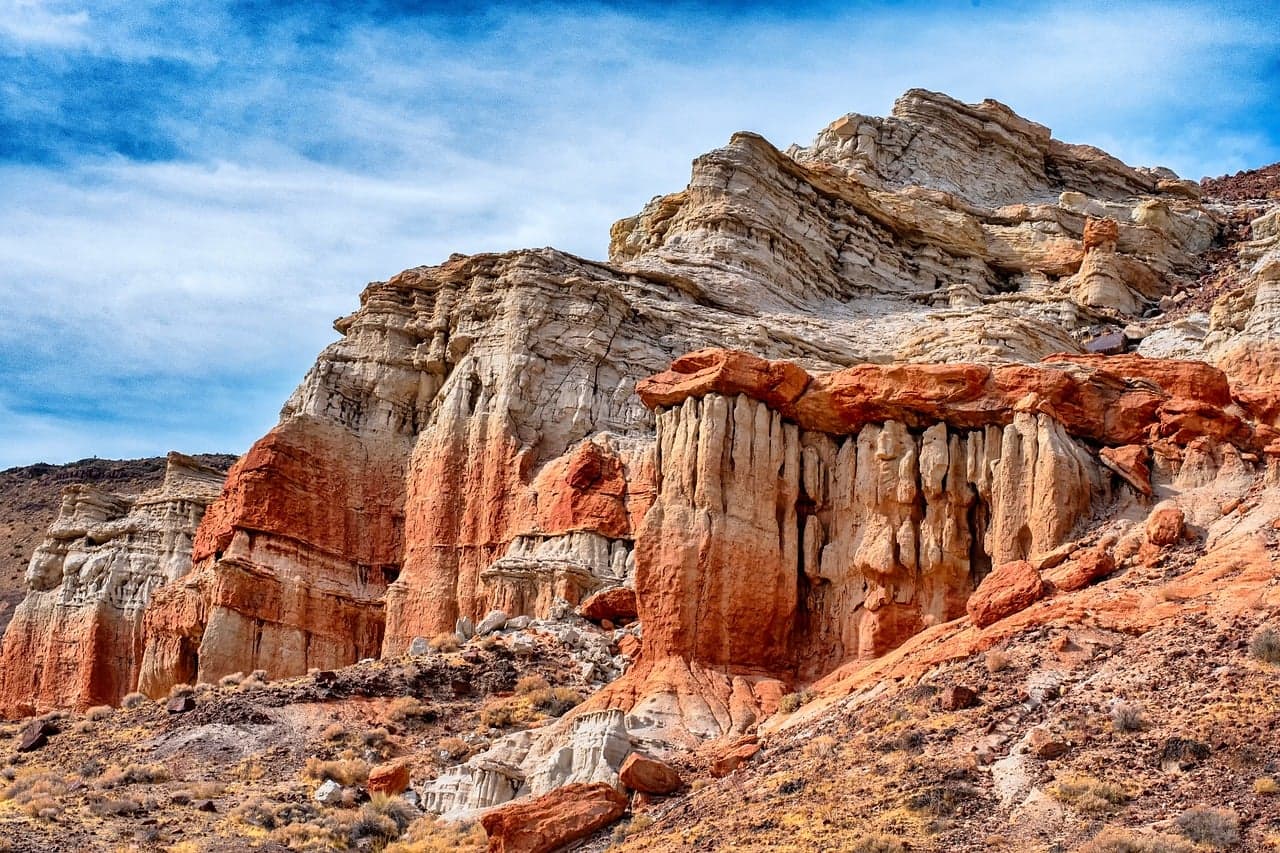
Sebastian Rucci, a 66-year-old lawyer based in Huntington Beach, identified a plot of land in late 2024 that he intended as the site for the largest AI datacenter in California. The nearly 1m-square-foot facility, a complex the size of 16 football fields combined, would rise in the Sonoran desert just north of the Mexican border, where temperatures regularly climb past 100F (37.8C).

The project's umbrella company is an LLC called Imperial Valley Computer Manufacturing (IVCM). Its application to the county planning department lists, among other infrastructure, more than 130 methane-gas-fueled generators, according to the filing.

  • •Rucci worked with the local energy provider to secure 330 megawatts of electricity, enough to power a city the size of Tallahassee
  • •He said he had invested about $5m already, and expects large returns if the project is approved and passed off to a builder
  • •Water is scarce in the agricultural area, which draws its supply from the beleaguered Colorado River
  • •Rucci says he has started businesses across southern California, St Louis and Ohio
  • •Those ventures have included a strip club, addiction treatment centers and dozens of accounting and real estate endeavors

The Google question

Rucci says he initially knew little about datacenters, and made calls to Silicon Valley contacts to learn how large the business was. Per emails between Rucci and county agencies, he told Imperial county's planning and development services in a July email that the facility would "enable Google to conduct artificial intelligence and large language model training for its Gemini system". In August he wrote to the county's air pollution control district: "We have secured interest from Google for this project, which we are confident will transform the area".

A Google spokesperson said: "We are not involved in a datacenter project in Imperial county," and did not answer questions about its relationship with Rucci.

Rucci said Google's response made sense considering they do not have a formal agreement.

Local opposition and what residents fear

The land was zoned for industrial use, which allowed Rucci to apply for an exemption from the California Environmental Quality Act (CEQA). That shaped the fight that followed. Over the past year, more than half a dozen lawsuits have been filed against the project, along with recall efforts against local officials who supported it. A temporary 45-day datacenter moratorium was also approved in Imperial county.

Francisco Leal, who lives across the street from the proposed 75-acre site, learned of it only the day before Thanksgiving last year, when he found a colorful flyer hanging from his door. While Leal lives in the city of Imperial, population 22,000, the datacenter would fall just outside city limits, on unincorporated county land.

"This project was presented as a Noah's Ark that's going to come save everybody," said Francisco Leal.

Within months, close to 3,500 people signed a petition opposing the facility.

Residents say they fear increased emissions, harm to the region's rare desert wildlife, power grid constraints, dwindling water supply and noise - effects Rucci denies. Imperial county is a critical habitat for the endangered desert pupfish, which swims through agricultural drains and canals, much like one that crosses Rucci's property, and other animals of concern include the flat-tailed horned lizard, yellow-breasted chat and burrowing owls. State senator Steve Padilla, who represents the district, introduced a series of bills aimed at datacenters.

Christopher Scurries, a music teacher at Imperial high school who lives nearby, said he was worried about the datacenter's constant low hum: "I'll definitely hear when I'm here in my house".

Why California timelines matter

Major projects in California take an average of seven years to complete, according to Michael Thomas of Cleanview, while the average in Texas is about three years. A developer who shortens that timeline, Thomas said, may find that "a company like Google or Microsoft or Meta may be willing to pay you a huge premium", potentially making millions quickly.

Rucci, for his part, says the facility would bring in more than 1,600 construction jobs and nearly $30m in annual tax revenue.

The project remains on pause after last month's ruling that it cannot move forward until it completes an extensive environmental review.
Saturday, Oct 17, 2026

english

Technology

• Analysis

Sebastian Rucci's AI datacenter California dream hits a legal wall

Sebastian Rucci, a 66-year-old Huntington Beach lawyer, identified a plot in Imperial county in late 2024 for what he intended to be the largest AI datacenter in California. The project is now on pause after a county judge ruled last month it cannot advance until it clears an extensive environmental review.

By Haut Monde Post

Oct 17, 2026 • 4 Min Read

Sebastian Rucci's AI datacenter California dream hits a legal wall

A desert site and a datacenter plan

Sebastian Rucci, a 66-year-old lawyer based in Huntington Beach, identified a plot of land in late 2024 that he intended as the site for the largest AI datacenter in California. The nearly 1m-square-foot facility, a complex the size of 16 football fields combined, would rise in the Sonoran desert just north of the Mexican border, where temperatures regularly climb past 100F (37.8C).

The project's umbrella company is an LLC called Imperial Valley Computer Manufacturing (IVCM). Its application to the county planning department lists, among other infrastructure, more than 130 methane-gas-fueled generators, according to the filing.

  • •Rucci worked with the local energy provider to secure 330 megawatts of electricity, enough to power a city the size of Tallahassee
  • •He said he had invested about $5m already, and expects large returns if the project is approved and passed off to a builder
  • •Water is scarce in the agricultural area, which draws its supply from the beleaguered Colorado River
  • •Rucci says he has started businesses across southern California, St Louis and Ohio
  • •Those ventures have included a strip club, addiction treatment centers and dozens of accounting and real estate endeavors

The Google question

Rucci says he initially knew little about datacenters, and made calls to Silicon Valley contacts to learn how large the business was. Per emails between Rucci and county agencies, he told Imperial county's planning and development services in a July email that the facility would "enable Google to conduct artificial intelligence and large language model training for its Gemini system". In August he wrote to the county's air pollution control district: "We have secured interest from Google for this project, which we are confident will transform the area".

A Google spokesperson said: "We are not involved in a datacenter project in Imperial county," and did not answer questions about its relationship with Rucci.

Rucci said Google's response made sense considering they do not have a formal agreement.

Local opposition and what residents fear

The land was zoned for industrial use, which allowed Rucci to apply for an exemption from the California Environmental Quality Act (CEQA). That shaped the fight that followed. Over the past year, more than half a dozen lawsuits have been filed against the project, along with recall efforts against local officials who supported it. A temporary 45-day datacenter moratorium was also approved in Imperial county.

Francisco Leal, who lives across the street from the proposed 75-acre site, learned of it only the day before Thanksgiving last year, when he found a colorful flyer hanging from his door. While Leal lives in the city of Imperial, population 22,000, the datacenter would fall just outside city limits, on unincorporated county land.

"This project was presented as a Noah's Ark that's going to come save everybody," said Francisco Leal.

Within months, close to 3,500 people signed a petition opposing the facility.

Residents say they fear increased emissions, harm to the region's rare desert wildlife, power grid constraints, dwindling water supply and noise - effects Rucci denies. Imperial county is a critical habitat for the endangered desert pupfish, which swims through agricultural drains and canals, much like one that crosses Rucci's property, and other animals of concern include the flat-tailed horned lizard, yellow-breasted chat and burrowing owls. State senator Steve Padilla, who represents the district, introduced a series of bills aimed at datacenters.

Christopher Scurries, a music teacher at Imperial high school who lives nearby, said he was worried about the datacenter's constant low hum: "I'll definitely hear when I'm here in my house".

Why California timelines matter

Major projects in California take an average of seven years to complete, according to Michael Thomas of Cleanview, while the average in Texas is about three years. A developer who shortens that timeline, Thomas said, may find that "a company like Google or Microsoft or Meta may be willing to pay you a huge premium", potentially making millions quickly.

Rucci, for his part, says the facility would bring in more than 1,600 construction jobs and nearly $30m in annual tax revenue.

The project remains on pause after last month's ruling that it cannot move forward until it completes an extensive environmental review.

Saturday, Oct 17, 2026

english

Technology

• Analysis

Sebastian Rucci's AI datacenter California dream hits a legal wall

Sebastian Rucci, a 66-year-old Huntington Beach lawyer, identified a plot in Imperial county in late 2024 for what he intended to be the largest AI datacenter in California. The project is now on pause after a county judge ruled last month it cannot advance until it clears an extensive environmental review.
By Haut Monde Post

Oct 17, 2026 • 4 Min Read

Sebastian Rucci's AI datacenter California dream hits a legal wall

A desert site and a datacenter plan

Sebastian Rucci, a 66-year-old lawyer based in Huntington Beach, identified a plot of land in late 2024 that he intended as the site for the largest AI datacenter in California. The nearly 1m-square-foot facility, a complex the size of 16 football fields combined, would rise in the Sonoran desert just north of the Mexican border, where temperatures regularly climb past 100F (37.8C).

The project's umbrella company is an LLC called Imperial Valley Computer Manufacturing (IVCM). Its application to the county planning department lists, among other infrastructure, more than 130 methane-gas-fueled generators, according to the filing.

  • •Rucci worked with the local energy provider to secure 330 megawatts of electricity, enough to power a city the size of Tallahassee
  • •He said he had invested about $5m already, and expects large returns if the project is approved and passed off to a builder
  • •Water is scarce in the agricultural area, which draws its supply from the beleaguered Colorado River
  • •Rucci says he has started businesses across southern California, St Louis and Ohio
  • •Those ventures have included a strip club, addiction treatment centers and dozens of accounting and real estate endeavors

The Google question

Rucci says he initially knew little about datacenters, and made calls to Silicon Valley contacts to learn how large the business was. Per emails between Rucci and county agencies, he told Imperial county's planning and development services in a July email that the facility would "enable Google to conduct artificial intelligence and large language model training for its Gemini system". In August he wrote to the county's air pollution control district: "We have secured interest from Google for this project, which we are confident will transform the area".

A Google spokesperson said: "We are not involved in a datacenter project in Imperial county," and did not answer questions about its relationship with Rucci.

Rucci said Google's response made sense considering they do not have a formal agreement.

Local opposition and what residents fear

The land was zoned for industrial use, which allowed Rucci to apply for an exemption from the California Environmental Quality Act (CEQA). That shaped the fight that followed. Over the past year, more than half a dozen lawsuits have been filed against the project, along with recall efforts against local officials who supported it. A temporary 45-day datacenter moratorium was also approved in Imperial county.

Francisco Leal, who lives across the street from the proposed 75-acre site, learned of it only the day before Thanksgiving last year, when he found a colorful flyer hanging from his door. While Leal lives in the city of Imperial, population 22,000, the datacenter would fall just outside city limits, on unincorporated county land.

"This project was presented as a Noah's Ark that's going to come save everybody," said Francisco Leal.

Within months, close to 3,500 people signed a petition opposing the facility.

Residents say they fear increased emissions, harm to the region's rare desert wildlife, power grid constraints, dwindling water supply and noise - effects Rucci denies. Imperial county is a critical habitat for the endangered desert pupfish, which swims through agricultural drains and canals, much like one that crosses Rucci's property, and other animals of concern include the flat-tailed horned lizard, yellow-breasted chat and burrowing owls. State senator Steve Padilla, who represents the district, introduced a series of bills aimed at datacenters.

Christopher Scurries, a music teacher at Imperial high school who lives nearby, said he was worried about the datacenter's constant low hum: "I'll definitely hear when I'm here in my house".

Why California timelines matter

Major projects in California take an average of seven years to complete, according to Michael Thomas of Cleanview, while the average in Texas is about three years. A developer who shortens that timeline, Thomas said, may find that "a company like Google or Microsoft or Meta may be willing to pay you a huge premium", potentially making millions quickly.

Rucci, for his part, says the facility would bring in more than 1,600 construction jobs and nearly $30m in annual tax revenue.

The project remains on pause after last month's ruling that it cannot move forward until it completes an extensive environmental review.