• Analysis
Home Office AI embedded in near-total secrecy, Open Rights Group report claims
A report from the Open Rights Group says Home Office AI runs across immigration work - spotting sham marriages, scanning phones and reading faces at the border - largely out of public view, with backing from MPs of three parties. The department insists the tools only help caseworkers and never replace them.
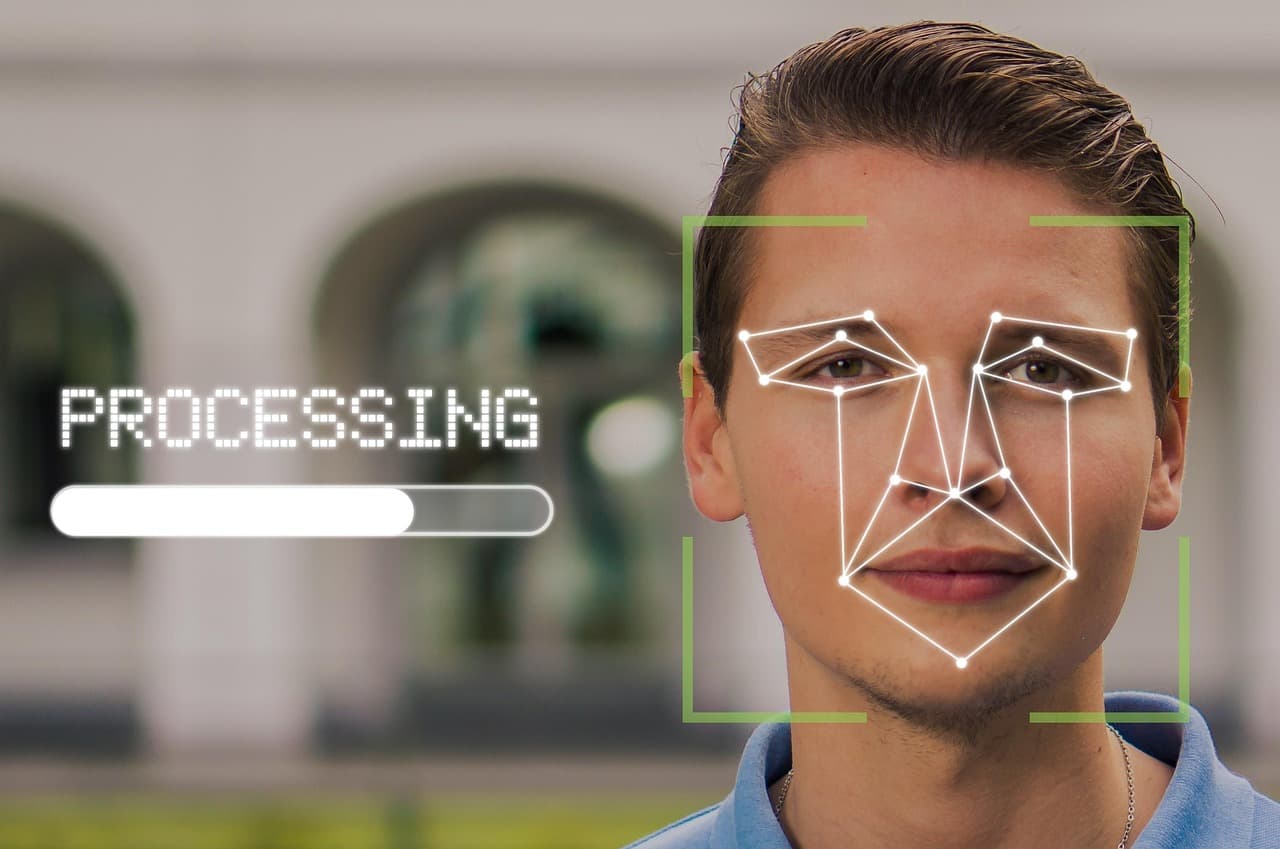
Where the report says AI is used
The Open Rights Group report, Automated Discrimination: Unpacking the Digital Hostile Environment, catalogues immigration work it says is already done by machine, much of it barely visible to the public.
- •spotting potential sham marriages
- •working out the ages of people seeking asylum
- •going through the phone contents of people who have just arrived
- •watching borders with live facial recognition plus drones and satellites run by AI
- •producing summaries of asylum interviews and of the country policy material serving as evidence in them
- •ranking and evaluating cases with the Identify and Prioritise Immigration Cases (Ipic) tool
How the findings were compiled
The researchers worked from what little the Home Office publishes, plus freedom of information requests and questions tabled by MPs. Labour's Bell Ribeiro-Addy, the Scottish National party's Pete Wishart and the Green party's Siân Berry all back the report.
According to the group, trials and tests of these systems happen behind a near-total veil of secrecy: when freedom of information requests arrive, officials routinely fall back on national security to block answers and black out what is released. The report frames the digital hostile environment as a continuation of the approach Theresa May set out as home secretary in 2012, and accuses governments of successive stripes of treating complicated human situations as if they were technical faults awaiting a fix.
Bias concerns and calls for regulation
The report argues these systems are neither neutral nor accurate, and can carry society's bias and discrimination into decisions - especially where anti-immigration policies and rhetoric drive them. It describes it as deeply alarming to leave machines to decide who may stay and who is pushed back into danger.
The group wants the government to regulate AI and outlaw deployments it calls undemocratic and a risk to human rights - naming ChatGPT-style tools in asylum applications among them. It also presses for tighter freedom of information legislation, a trimmed-down definition of national security, and a public register where every government AI tool is listed.
Ribeiro-Addy said the department has dragged its feet over releasing documents showing how AI enters asylum processing, and has still not said how failures would be accounted for, or why people in the most precarious positions should carry the biggest risks.
Migration is a human phenomenon and experience, not a technical problem that can be fixed by artificial intelligence.
That is Sara Alsherif, a programme manager at Open Rights Group. She added that without transparency, accountability and strict regulation, restricting how AI is used - and stopping its wider rollout - cannot happen fast enough.
The Home Office response
A Home Office spokesperson said artificial intelligence is one instrument among those the department uses to protect its borders, and that it neither replaces nor automates the part played by human decision-makers.
The department said trained caseworkers take asylum decisions, with AI brought in solely to help them find their way through interview records and policy information. The tools, it added, cannot operate on their own and reach no decisions on claims.
Performance of the tools is tracked alongside quality-assurance processes, the Home Office said, and it has committed to publishing updated evaluations as their rollout continues.