• Analysis
Jordan airstrikes in Syria launched in retaliation for Karak church attack
Jordan's air force carried out airstrikes in Syria in retaliation for Friday's attack on a Greek Orthodox church in Karak that killed nine people, saying the operation killed and wounded many members of the targeted groups.
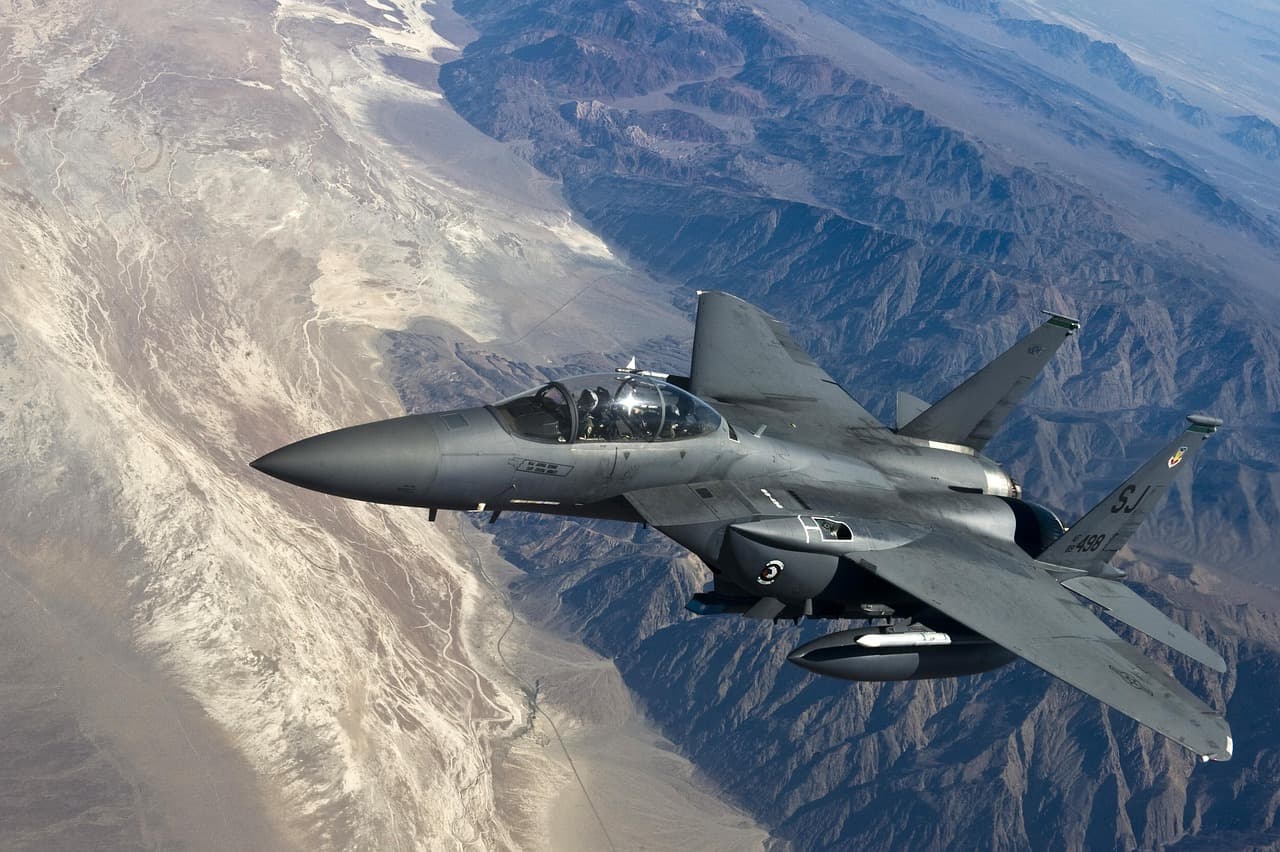
What the strikes targeted
Jordan's air force said it struck armed groups in Syria in response to the church attack in the southern Jordanian city of Karak, announcing that the operation resulted in the killing and wounding of many members of the groups it described as terrorist organisations, along with the destruction of a number of their vehicles.
The military gave few specifics:
- •Jordan did not specify which groups were targeted or the precise location of the strikes
- •The armed forces said the operation was conducted in coordination with Damascus
Civilian deaths reported in Daraa
Syrian state media reported that civilians had been killed in the strikes. According to Sana, the director of health in Daraa province said at least five civilians were killed, including women and children and a 65-year-old man.
Syria's government gave a different account, saying it had launched an investigation into the Jordanian attacks and stressed the importance of field and security coordination in border areas.
The Karak church attack and the arrests
The strikes came after Friday's attack on the Greek Orthodox church in Karak, about 55 miles (90km) south of Amman, during a funeral. The city is home to a minority Christian population. The shooting killed nine people and wounded more than two dozen others.
Earlier on Monday, Jordanian authorities arrested three men for the attack following a dawn shootout in which all three were wounded.
Jordan's Public Security Directorate identified them as:
- •Brothers Hazzah Zaidan Mohammad and Mishal Zaidan Mohammad
- •Their brother-in-law, Ahmad Sami Hussein
All three are Jordanian and were taken into custody in Karak. No group claimed responsibility for the attack, and the attackers' motive remained unknown. Jordan declared three days of mourning for the victims.
Officials on the attackers
The head of the Public Security Directorate, Maj Gen Obaidallah Abd Rabbo Al-Maayta, described the gunmen as 'takfiri' - a term used for Sunni militants - but said they were not tied to any organised group. 'They only represent themselves,' he told a news conference, adding that a large cache of munitions was found in the abandoned house where the men were apprehended.
Interior Minister Mazen al-Faraya said the attack was the result of 'a terroristic, extremist way of thinking', and warned that if such thinking is not resolved, similar incidents will happen again.
King Abdullah II ordered authorities to respond with 'an iron fist' against what he called the outlaws of Islam and anyone attempting to undermine the unity of the Jordanian people. In a Monday statement, the king said:
We vowed the terrorists would not escape punishment, and no proponent of dark ideologies that divide Jordanians will be tolerated.
Syria's government, for its part, said its investigation into the Jordanian attacks was under way and reiterated the need for field and security coordination in border areas.