Wednesday, October 14, 2026

english

HAUT MONDE

POST

Politics

• Analysis

Small boat crossings face harder security as MI5 warns of anti-immigration extremism

The head of MI5 has warned that extremists with anti-immigration views are increasingly considering terrorist attacks, as the Home Office said it would double riot police numbers along the French coast to counter small boat crossings.

By Haut Monde Post

• October 14, 2026

• 3 Min Read
Small boat crossings face harder security as MI5 warns of anti-immigration extremism

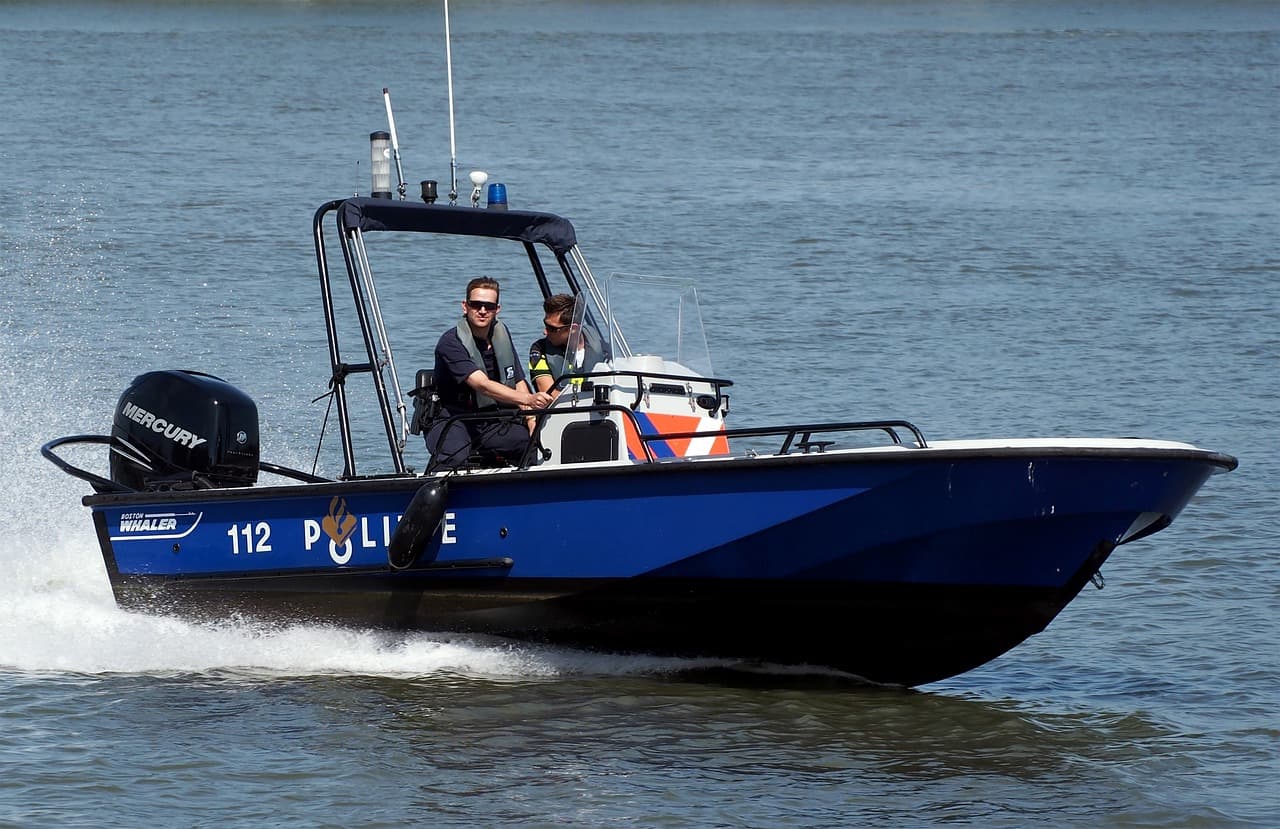
The debate over small boat crossings has taken on a new edge: the head of MI5 warned that extremists with anti-immigration opinions are increasingly considering carrying out terrorist attacks, even as the Home Office doubles riot police along the French coast.

MI5 warning and the political temperature

The security service's intervention lands in a heated climate. Nigel Farage has denied that a Reform UK government would authorise lethal force against small boat crossings. Far-right protests have already spread to Portsmouth earlier this summer, where people arriving on small boats had sailed from Normandy.

Security doubles down after the deal collapsed

The Home Office announced that it would be doubling the number of riot police along the French coast. Although small boat arrivals have actually decreased over the last year, enforcement is reshaping the routes rather than closing them:

  • •Increased police presence in northern France has led to more trips in larger "mega-dinghies" carrying more people
  • •Security has pushed people to sail from Normandy and Belgium rather than Calais

What the scrapped deal left behind

The government quietly scrapped its "one in, one out" deal with France earlier in October 2026. Announced at a joint press conference between Keir Starmer and Emmanuel Macron in July last year, the scheme allowed a person arriving in a small boat to be forcibly returned to France in exchange for bringing another person legally to the UK. It lasted just 423 days, was beset with problems, and had a negligible impact on crossings.

The return figures were small: about 1,500 people, roughly 4% of the 40,000 who arrived by small boat while the deal was active, were sent back to France. A British Future report said it would have to be expanded twenty-fold to close down routes. Nearly 100 children were misidentified as adults and wrongly detained under the scheme.

Some asylum seekers deported back to France were beaten by people smugglers. Diane Taylor reported in August that nearly 50 asylum seekers deported under the scheme returned to the UK a second time.

"I've been writing about asylum seekers for 25 years and I've never seen as much suffering caused to refugees by a UK government policy"

That is Diane Taylor, who has covered asylum for 25 years. Rajeev Syal noted that France does not want to be seen taking in more unwanted people from the UK during the French presidential election campaign.

Why the routes may stay open

Daniel Trilling, author of If We Tolerate This, has followed Channel migration since 2014, when refugees could still stow away on lorries without paying smugglers. Small boat crossings spiked dramatically in 2020, when the pandemic temporarily grounded traffic between Calais and Britain, and more than doubled the following year.

"In effect, while the security measures seem on the surface to be working, they also contribute to boat journeys becoming far more dangerous"

Trilling's account of the trade-off between security and safety stands against the Home Office's bet on more riot police. The next variable the facts name is the French presidential election in April next year: if Marine Le Pen is elected, it is plausible that her government could refuse to take any asylum seekers from Britain.
Wednesday, Oct 14, 2026

english

Politics

• Analysis

Small boat crossings face harder security as MI5 warns of anti-immigration extremism

The head of MI5 has warned that extremists with anti-immigration views are increasingly considering terrorist attacks, as the Home Office said it would double riot police numbers along the French coast to counter small boat crossings.

By Haut Monde Post

Oct 14, 2026 • 3 Min Read

Small boat crossings face harder security as MI5 warns of anti-immigration extremism

The debate over small boat crossings has taken on a new edge: the head of MI5 warned that extremists with anti-immigration opinions are increasingly considering carrying out terrorist attacks, even as the Home Office doubles riot police along the French coast.

MI5 warning and the political temperature

The security service's intervention lands in a heated climate. Nigel Farage has denied that a Reform UK government would authorise lethal force against small boat crossings. Far-right protests have already spread to Portsmouth earlier this summer, where people arriving on small boats had sailed from Normandy.

Security doubles down after the deal collapsed

The Home Office announced that it would be doubling the number of riot police along the French coast. Although small boat arrivals have actually decreased over the last year, enforcement is reshaping the routes rather than closing them:

  • •Increased police presence in northern France has led to more trips in larger "mega-dinghies" carrying more people
  • •Security has pushed people to sail from Normandy and Belgium rather than Calais

What the scrapped deal left behind

The government quietly scrapped its "one in, one out" deal with France earlier in October 2026. Announced at a joint press conference between Keir Starmer and Emmanuel Macron in July last year, the scheme allowed a person arriving in a small boat to be forcibly returned to France in exchange for bringing another person legally to the UK. It lasted just 423 days, was beset with problems, and had a negligible impact on crossings.

The return figures were small: about 1,500 people, roughly 4% of the 40,000 who arrived by small boat while the deal was active, were sent back to France. A British Future report said it would have to be expanded twenty-fold to close down routes. Nearly 100 children were misidentified as adults and wrongly detained under the scheme.

Some asylum seekers deported back to France were beaten by people smugglers. Diane Taylor reported in August that nearly 50 asylum seekers deported under the scheme returned to the UK a second time.

"I've been writing about asylum seekers for 25 years and I've never seen as much suffering caused to refugees by a UK government policy"

That is Diane Taylor, who has covered asylum for 25 years. Rajeev Syal noted that France does not want to be seen taking in more unwanted people from the UK during the French presidential election campaign.

Why the routes may stay open

Daniel Trilling, author of If We Tolerate This, has followed Channel migration since 2014, when refugees could still stow away on lorries without paying smugglers. Small boat crossings spiked dramatically in 2020, when the pandemic temporarily grounded traffic between Calais and Britain, and more than doubled the following year.

"In effect, while the security measures seem on the surface to be working, they also contribute to boat journeys becoming far more dangerous"

Trilling's account of the trade-off between security and safety stands against the Home Office's bet on more riot police. The next variable the facts name is the French presidential election in April next year: if Marine Le Pen is elected, it is plausible that her government could refuse to take any asylum seekers from Britain.
Wednesday, Oct 14, 2026

english

Politics

• Analysis

Small boat crossings face harder security as MI5 warns of anti-immigration extremism

The head of MI5 has warned that extremists with anti-immigration views are increasingly considering terrorist attacks, as the Home Office said it would double riot police numbers along the French coast to counter small boat crossings.

By Haut Monde Post

Oct 14, 2026 • 3 Min Read

Small boat crossings face harder security as MI5 warns of anti-immigration extremism

The debate over small boat crossings has taken on a new edge: the head of MI5 warned that extremists with anti-immigration opinions are increasingly considering carrying out terrorist attacks, even as the Home Office doubles riot police along the French coast.

MI5 warning and the political temperature

The security service's intervention lands in a heated climate. Nigel Farage has denied that a Reform UK government would authorise lethal force against small boat crossings. Far-right protests have already spread to Portsmouth earlier this summer, where people arriving on small boats had sailed from Normandy.

Security doubles down after the deal collapsed

The Home Office announced that it would be doubling the number of riot police along the French coast. Although small boat arrivals have actually decreased over the last year, enforcement is reshaping the routes rather than closing them:

  • •Increased police presence in northern France has led to more trips in larger "mega-dinghies" carrying more people
  • •Security has pushed people to sail from Normandy and Belgium rather than Calais

What the scrapped deal left behind

The government quietly scrapped its "one in, one out" deal with France earlier in October 2026. Announced at a joint press conference between Keir Starmer and Emmanuel Macron in July last year, the scheme allowed a person arriving in a small boat to be forcibly returned to France in exchange for bringing another person legally to the UK. It lasted just 423 days, was beset with problems, and had a negligible impact on crossings.

The return figures were small: about 1,500 people, roughly 4% of the 40,000 who arrived by small boat while the deal was active, were sent back to France. A British Future report said it would have to be expanded twenty-fold to close down routes. Nearly 100 children were misidentified as adults and wrongly detained under the scheme.

Some asylum seekers deported back to France were beaten by people smugglers. Diane Taylor reported in August that nearly 50 asylum seekers deported under the scheme returned to the UK a second time.

"I've been writing about asylum seekers for 25 years and I've never seen as much suffering caused to refugees by a UK government policy"

That is Diane Taylor, who has covered asylum for 25 years. Rajeev Syal noted that France does not want to be seen taking in more unwanted people from the UK during the French presidential election campaign.

Why the routes may stay open

Daniel Trilling, author of If We Tolerate This, has followed Channel migration since 2014, when refugees could still stow away on lorries without paying smugglers. Small boat crossings spiked dramatically in 2020, when the pandemic temporarily grounded traffic between Calais and Britain, and more than doubled the following year.

"In effect, while the security measures seem on the surface to be working, they also contribute to boat journeys becoming far more dangerous"

Trilling's account of the trade-off between security and safety stands against the Home Office's bet on more riot police. The next variable the facts name is the French presidential election in April next year: if Marine Le Pen is elected, it is plausible that her government could refuse to take any asylum seekers from Britain.