• Analysis
France protests violence against women: thousands march nationwide
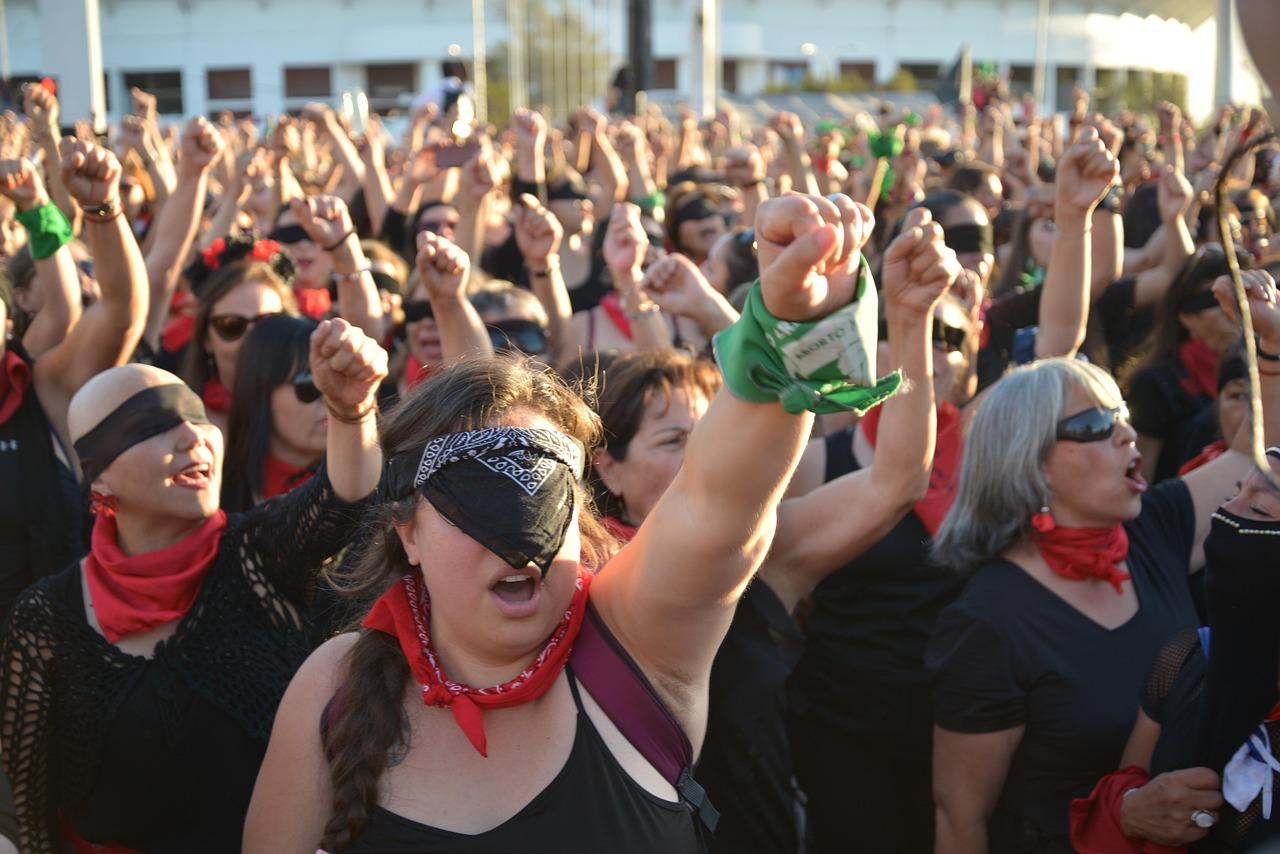
France protests violence against women drew thousands of marchers onto the streets on Saturday, with two separate feminist marches in Paris that police said drew around 40,000 people.
Two marches through Paris
The Saturday France protests violence against women filled the streets with two separate feminist marches setting off through Paris from 2pm onwards. The capital's police prefecture put the combined turnout at around 40,000 people.
One march, organised by the feminist collective #NousToutes, went from Place de la République to Place de la Nation, denouncing what organisers called gender, social and state violence. The second, led by associations and unions in the Feminist Strike collective, walked from Place du Panthéon to Place d'Italie to demand the elimination of violence against women.
Unions and Yellow Vests join
The call came from a broad coalition. Sophie Binet, general secretary of the CGT labour union, urged a mass mobilisation.
We are calling for a feminist tidal wave to be organised in all our cities, to acknowledge that sexist and sexual violence must stop
The marches took place as cost-of-living protests entered their seventh consecutive week, and the same networks joined in. The Yellow Vest movement, mobilised against the cost of living and for more direct democracy, also called for Saturday demonstrations against sexist and sexual violence and for gender equality, and in Paris planned to meet at République alongside #NousToutes.
The anti-sexism bill before parliament
At the heart of the feminist demonstration in Paris and beyond was one demand: adoption of a bill against sexism and sexual violence that aims to address the chain of violence against women and children, from prevention to reparation. The text reached the parliamentary agenda after the shockwave caused by the death of schoolgirl Lyhanna in June.
- •The bill was adopted by the National Assembly on October 13 and is due to be examined by the Senate in January.
- •Floriane Volt of the Women's Foundation said the goal is for the text to be voted on in time, before the parliamentary session scheduled for February 28, 2027, to be as ambitious as possible and to secure a comprehensive budget.
- •The Women's Foundation estimates the bill's implementation will cost €4 billion per year.
Scale of the problem and the marches
An official report published on Wednesday found more than one hundred femicides took place in France last year. It also recorded 272,000 women as victims of rape in 2024, and 1.3 million victims of sexual harassment.
Saturday's turnout outstripped last year's feminist marches, which, according to data cited by French police, brought together 17,000 people in Paris and as many across the rest of the country around the International Day for the Elimination of Violence against Women.
The feminist mobilisation stands in contrast with the cost-of-living protests, which have caused multiple clashes with police and appear to be losing momentum: several hundred thousand people joined marches on the first Saturday of those protests on October 17, against tens of thousands last week.
The anti-sexism bill, already adopted by the National Assembly on October 13, is due to be examined by the Senate in January.