Friday, November 13, 2026

english

HAUT MONDE

POST

World

• Analysis

Fan Bay plotting room, second world war 'brain' bunker in Dover's white cliffs, opens to public

A second world war command bunker buried four metres deep in the white cliffs of Dover welcomes the public from Friday, as the National Trust opens the Fan Bay plotting room via guided tours.
By Haut Monde Post

• November 13, 2026

• 4 Min Read

Fan Bay plotting room, second world war 'brain' bunker in Dover's white cliffs, opens to public

A 'brain' beneath the cliffs

From Friday, visitors can descend into a Fan Bay plotting room buried four metres deep in the white cliffs of Dover, where the National Trust will run guided tours of a second world war bunker that helped direct the guns defending the town.

According to Jon Stewart, who led the excavation project for the National Trust, the chamber housed the first land-based computer-aided targeting system. It served as a 'brain' for a gun battery used to defend Dover and attack German ships in the Channel, at a time when the town sat on the frontline of a Britain under regular bombardment from enemy guns in occupied France.

  • •The room directed a gun battery that defended Dover and attacked German ships in the Channel
  • •Its targeting system was the first of its kind on land, Stewart said
  • •Up to 10 people at a time worked inside the plotting room

Rediscovered in 2017

The bunker had been secretly mothballed in 1957 and remained classified until 1981. When it was rediscovered in 2017, Stewart was the first person to go in. He described the moment in terms few outside his trade might reach for.

"It was a Tutankhamun moment for a conflict archaeologist," he said.

Stewart has drawn a parallel with another act of rescue from Britain's wartime past: the campaign in the 1990s to save Bletchley Park, which is now, he said, all part of the national consciousness. The plotting room, by contrast, is a new hidden history. What lies at its heart, he stressed, is not a map but a cutting-edge electromechanical computer, and it is completely unique.

Churchill's orders and 'Churchill's pets'

The battery owed its existence to a visit by Winston Churchill to the Kent coast soon after his 'fight them on the beaches' speech. He was alarmed to observe enemy ships passing through the strait of Dover unchallenged, and set down his response in writing. In a July 1940 memo he wrote:

"We have to fight for command of the straits by artillery, to destroy the enemy batteries and fortify our own."

Churchill ordered the most advanced technology available and demanded weekly updates on progress. The demand was met at speed: the guns were ready within 100 days, and the plotting room bunker was completed 64 days later. Locals gave the weapons their own name. "The guns were known around here as Churchill's pets," Stewart said.

Inside the room and the tours

The prize exhibit is gone, but its imprint remains. The room held a 1.8-metre-long electromechanical computer known as a fire direction table, which calculated the positions of moving ships when shells hit and sent firing instructions to gun crews. In 1957 the computer was deliberately destroyed to stop it falling into enemy hands.

What visitors find instead is the room as the excavation team left it. Chalked graffiti reading "heroes fan hole Dodds and Petitt" survives in a service tunnel, and Stewart believes the two named men may have installed the cables running to the bunker. Signs of rushed construction show too, including rough openings for cabling; the equipment was reportedly installed before drawings governing its layout were even available.

Few records survive of the people who worked there. Known operators include Wallas Eaton, an actor who later appeared as Senator Ludicrus Sextus in the TV comedy series Up Pompeii alongside Frankie Howerd. A lance bombardier recorded as a plotter, WP Bryant, was a tailor by trade - a background, Stewart suggested, that gave him a head for numbers.

  • •Tours enter through a hatch in a field, from Friday
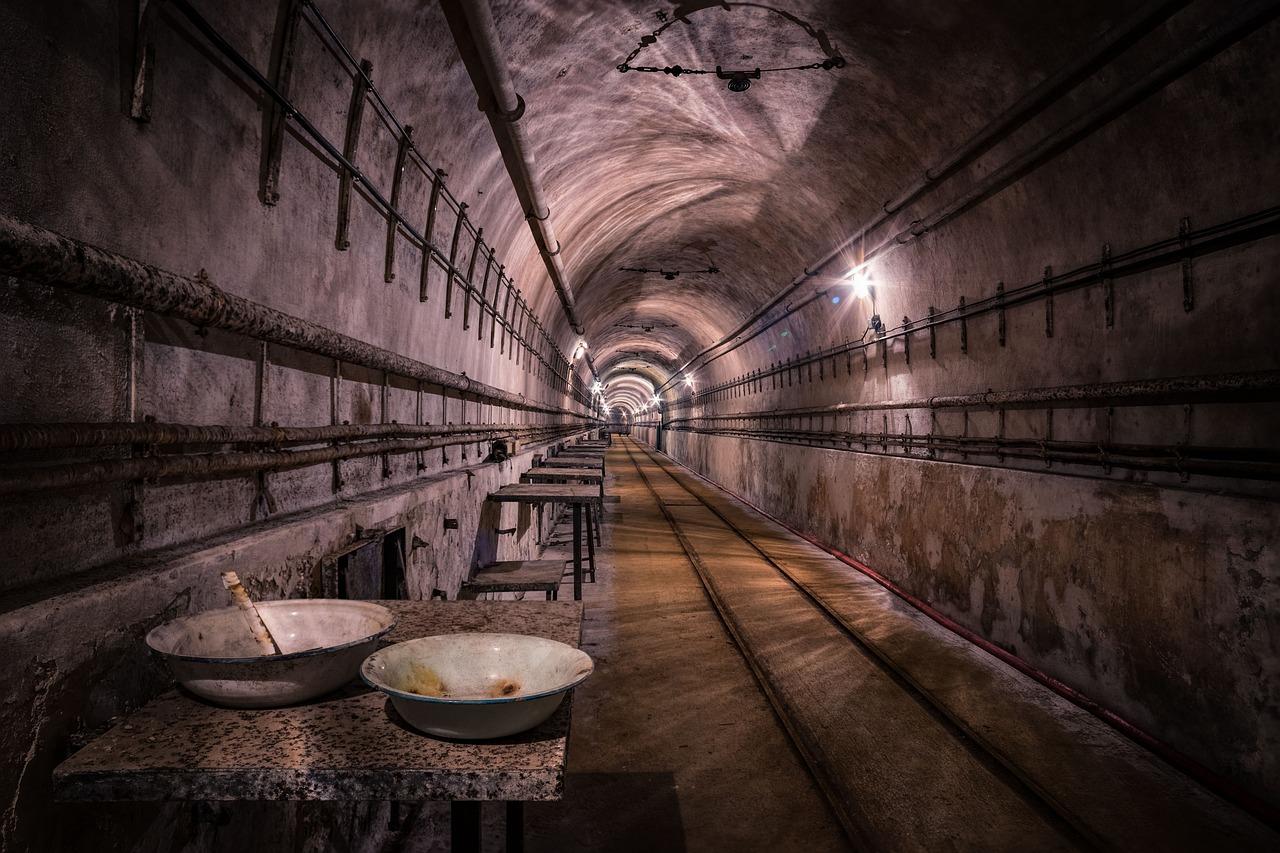
  • •The room is preserved as Stewart and his team found it, with old newspapers, shoes and official notices still in place
  • •Rather than recreate the past, the trust conserved the room so visitors experience it much as it was found
  • •Stewart is appealing for relatives of those who served there to come forward

"What we know about it is based on a manual and ghost markings on the floor," Stewart said, which is why he wants families of the operators to add their stories to the room's thin paper trail.


HAUT MONDE POST

Independent journalism of the highest standard. A chronicle of world culture, politics, arts, and public thought.

Publication

AboutEditorial

Newsletter

Get the best Haut Monde Post content delivered to your inbox every week.

© 2026 Haut Monde Post. All rights reserved. Digital edition hautmondepost.com.

Friday, Nov 13, 2026

english

World

• Analysis

Fan Bay plotting room, second world war 'brain' bunker in Dover's white cliffs, opens to public

A second world war command bunker buried four metres deep in the white cliffs of Dover welcomes the public from Friday, as the National Trust opens the Fan Bay plotting room via guided tours.

By Haut Monde Post

Nov 13, 2026 • 4 Min Read
Fan Bay plotting room, second world war 'brain' bunker in Dover's white cliffs, opens to public

A 'brain' beneath the cliffs

From Friday, visitors can descend into a Fan Bay plotting room buried four metres deep in the white cliffs of Dover, where the National Trust will run guided tours of a second world war bunker that helped direct the guns defending the town.

According to Jon Stewart, who led the excavation project for the National Trust, the chamber housed the first land-based computer-aided targeting system. It served as a 'brain' for a gun battery used to defend Dover and attack German ships in the Channel, at a time when the town sat on the frontline of a Britain under regular bombardment from enemy guns in occupied France.

  • •The room directed a gun battery that defended Dover and attacked German ships in the Channel
  • •Its targeting system was the first of its kind on land, Stewart said
  • •Up to 10 people at a time worked inside the plotting room

Rediscovered in 2017

The bunker had been secretly mothballed in 1957 and remained classified until 1981. When it was rediscovered in 2017, Stewart was the first person to go in. He described the moment in terms few outside his trade might reach for.

"It was a Tutankhamun moment for a conflict archaeologist," he said.

Stewart has drawn a parallel with another act of rescue from Britain's wartime past: the campaign in the 1990s to save Bletchley Park, which is now, he said, all part of the national consciousness. The plotting room, by contrast, is a new hidden history. What lies at its heart, he stressed, is not a map but a cutting-edge electromechanical computer, and it is completely unique.

Churchill's orders and 'Churchill's pets'

The battery owed its existence to a visit by Winston Churchill to the Kent coast soon after his 'fight them on the beaches' speech. He was alarmed to observe enemy ships passing through the strait of Dover unchallenged, and set down his response in writing. In a July 1940 memo he wrote:

"We have to fight for command of the straits by artillery, to destroy the enemy batteries and fortify our own."

Churchill ordered the most advanced technology available and demanded weekly updates on progress. The demand was met at speed: the guns were ready within 100 days, and the plotting room bunker was completed 64 days later. Locals gave the weapons their own name. "The guns were known around here as Churchill's pets," Stewart said.

Inside the room and the tours

The prize exhibit is gone, but its imprint remains. The room held a 1.8-metre-long electromechanical computer known as a fire direction table, which calculated the positions of moving ships when shells hit and sent firing instructions to gun crews. In 1957 the computer was deliberately destroyed to stop it falling into enemy hands.

What visitors find instead is the room as the excavation team left it. Chalked graffiti reading "heroes fan hole Dodds and Petitt" survives in a service tunnel, and Stewart believes the two named men may have installed the cables running to the bunker. Signs of rushed construction show too, including rough openings for cabling; the equipment was reportedly installed before drawings governing its layout were even available.

Few records survive of the people who worked there. Known operators include Wallas Eaton, an actor who later appeared as Senator Ludicrus Sextus in the TV comedy series Up Pompeii alongside Frankie Howerd. A lance bombardier recorded as a plotter, WP Bryant, was a tailor by trade - a background, Stewart suggested, that gave him a head for numbers.

  • •Tours enter through a hatch in a field, from Friday
  • •The room is preserved as Stewart and his team found it, with old newspapers, shoes and official notices still in place
  • •Rather than recreate the past, the trust conserved the room so visitors experience it much as it was found
  • •Stewart is appealing for relatives of those who served there to come forward

"What we know about it is based on a manual and ghost markings on the floor," Stewart said, which is why he wants families of the operators to add their stories to the room's thin paper trail.

HAUT MONDE POST

Independent journalism of the highest standard. A chronicle of world culture, politics, arts, and public thought. Published and printed daily in Paris, France.

Publication

AboutEditorial

Newsletter

Get the best Haut Monde Post content delivered to your inbox every week.

© 2026 Haut Monde Post. All rights reserved. Digital edition hautmondepost.com. Published in Paris.

Friday, Nov 13, 2026

english

World

• Analysis

Fan Bay plotting room, second world war 'brain' bunker in Dover's white cliffs, opens to public

A second world war command bunker buried four metres deep in the white cliffs of Dover welcomes the public from Friday, as the National Trust opens the Fan Bay plotting room via guided tours.

By Haut Monde Post

Fan Bay plotting room, second world war 'brain' bunker in Dover's white cliffs, opens to public

A 'brain' beneath the cliffs

From Friday, visitors can descend into a Fan Bay plotting room buried four metres deep in the white cliffs of Dover, where the National Trust will run guided tours of a second world war bunker that helped direct the guns defending the town.

According to Jon Stewart, who led the excavation project for the National Trust, the chamber housed the first land-based computer-aided targeting system. It served as a 'brain' for a gun battery used to defend Dover and attack German ships in the Channel, at a time when the town sat on the frontline of a Britain under regular bombardment from enemy guns in occupied France.

  • •The room directed a gun battery that defended Dover and attacked German ships in the Channel
  • •Its targeting system was the first of its kind on land, Stewart said
  • •Up to 10 people at a time worked inside the plotting room

Rediscovered in 2017

The bunker had been secretly mothballed in 1957 and remained classified until 1981. When it was rediscovered in 2017, Stewart was the first person to go in. He described the moment in terms few outside his trade might reach for.

"It was a Tutankhamun moment for a conflict archaeologist," he said.

Stewart has drawn a parallel with another act of rescue from Britain's wartime past: the campaign in the 1990s to save Bletchley Park, which is now, he said, all part of the national consciousness. The plotting room, by contrast, is a new hidden history. What lies at its heart, he stressed, is not a map but a cutting-edge electromechanical computer, and it is completely unique.

Churchill's orders and 'Churchill's pets'

The battery owed its existence to a visit by Winston Churchill to the Kent coast soon after his 'fight them on the beaches' speech. He was alarmed to observe enemy ships passing through the strait of Dover unchallenged, and set down his response in writing. In a July 1940 memo he wrote:

"We have to fight for command of the straits by artillery, to destroy the enemy batteries and fortify our own."

Churchill ordered the most advanced technology available and demanded weekly updates on progress. The demand was met at speed: the guns were ready within 100 days, and the plotting room bunker was completed 64 days later. Locals gave the weapons their own name. "The guns were known around here as Churchill's pets," Stewart said.

Inside the room and the tours

The prize exhibit is gone, but its imprint remains. The room held a 1.8-metre-long electromechanical computer known as a fire direction table, which calculated the positions of moving ships when shells hit and sent firing instructions to gun crews. In 1957 the computer was deliberately destroyed to stop it falling into enemy hands.

What visitors find instead is the room as the excavation team left it. Chalked graffiti reading "heroes fan hole Dodds and Petitt" survives in a service tunnel, and Stewart believes the two named men may have installed the cables running to the bunker. Signs of rushed construction show too, including rough openings for cabling; the equipment was reportedly installed before drawings governing its layout were even available.

Few records survive of the people who worked there. Known operators include Wallas Eaton, an actor who later appeared as Senator Ludicrus Sextus in the TV comedy series Up Pompeii alongside Frankie Howerd. A lance bombardier recorded as a plotter, WP Bryant, was a tailor by trade - a background, Stewart suggested, that gave him a head for numbers.

  • •Tours enter through a hatch in a field, from Friday
  • •The room is preserved as Stewart and his team found it, with old newspapers, shoes and official notices still in place
  • •Rather than recreate the past, the trust conserved the room so visitors experience it much as it was found
  • •Stewart is appealing for relatives of those who served there to come forward

"What we know about it is based on a manual and ghost markings on the floor," Stewart said, which is why he wants families of the operators to add their stories to the room's thin paper trail.