World
• Analysis
Pascal Lamy: Weak Growth Threatens Europe's Social System, 'the Best on Earth'
Pascal Lamy, former European trade commissioner and former WTO Director-General, warns that Europe's 'very sophisticated' social system - which he calls the best on Earth - is endangered by weak economic growth, which he sees as the common cause of the continent's political and economic turbulence.
By Haut Monde Post
• October 22, 2026
• 2 Min Read
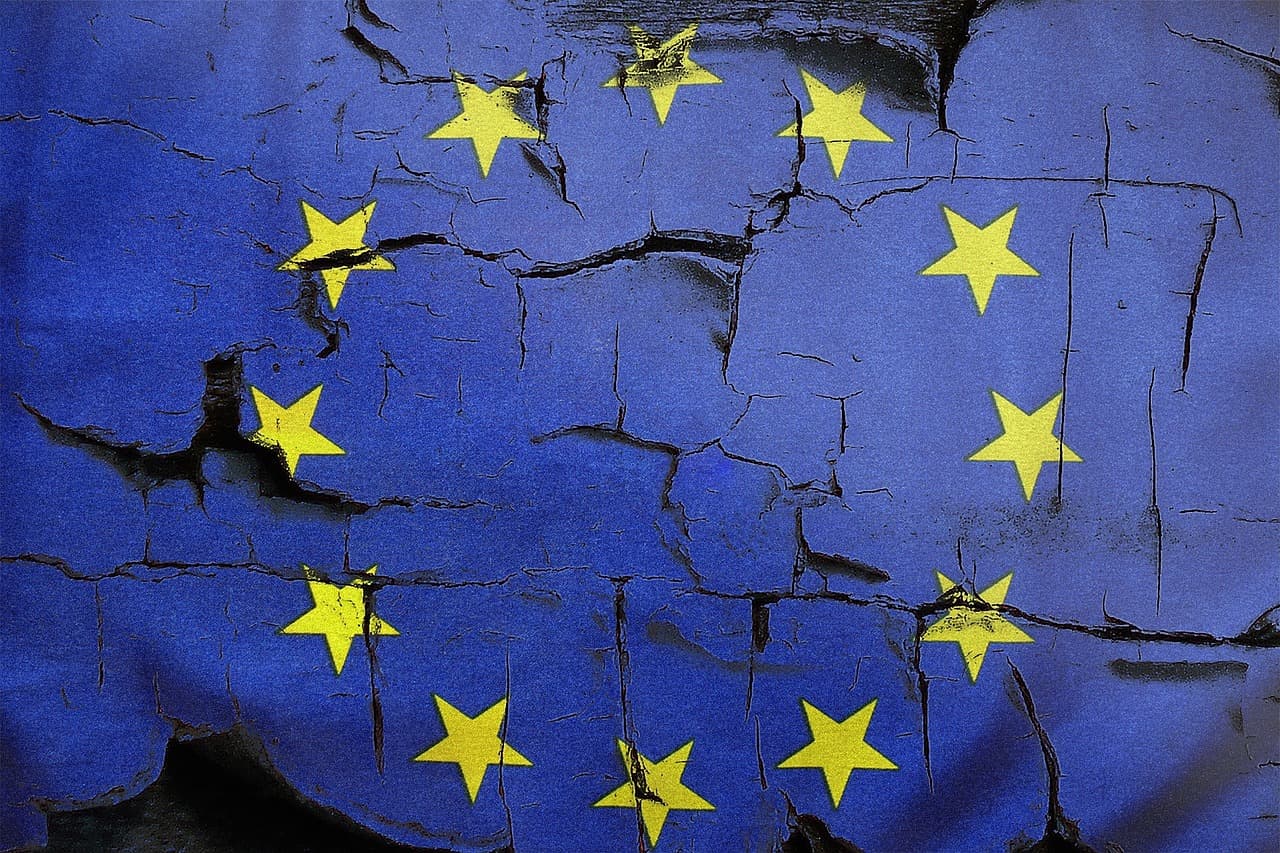
Pascal Lamy, who served as European Commissioner for Trade and as Director-General of the World Trade Organization, has put weak economic growth at the root of Europe's current troubles. In his view, the mismatch between a very sophisticated European social system and slow growth explains the continent's political and economic turbulences.
A Growth Gap Behind Europe's Turbulence
Lamy's diagnosis rests on a stark comparison of growth potential. By his account, Europe's potential growth rate is only half that of the United States, one-third that of China and one-fourth that of India.
The figures, as he presents them, sketch a widening European growth gap against the world's major economies.
Living Costs and Pressure on Households
Turning to France's unrest, Lamy sees both a national tradition of political mobilization and structural weaknesses that Europe shares. Rising living costs, energy vulnerabilities and mounting pressures on lower-income households, he argues, compound social tensions that cannot be explained by unemployment figures alone.
Trade War With China, Not Europe's Plan A
On Chinese exports, Lamy warns that surging shipments threaten the survival of parts of European industry. His prescription is a graduated response: negotiation first, stronger trade defenses if necessary.
He is clear, though, that escalation is not Europe's preferred path.
"There is a trade war, but this is not the European Plan A"
He also cautions that any trade conflict with China would raise prices in Europe.
Reconciling Protection and Openness
The economic security agenda carries an internal tension: protecting industry may raise the cost of living for households already fueling political discontent, while the prospect of Chinese retaliation raises the question of European solidarity.
Lamy leaves Europe's dilemma open: reconciling social protection, competitiveness, strategic autonomy and openness in an international economic order increasingly shaped by rivalry.