Friday, October 2, 2026

english

HAUT MONDE

POST

World

• Analysis

Europe summer heatwave: fire weather worst on record as 680,000 hectares burn

The Europe summer heatwave of 2026 drove fire weather conditions to the worst scientists have ever recorded, with 680,000 hectares burned by the end of September — the third-worst year on record. The same heat put more than half the continent under "very strong" heat stress above 38C, ruined harvests and shut power plants.

By Haut Monde Post

• October 2, 2026

• 4 Min Read
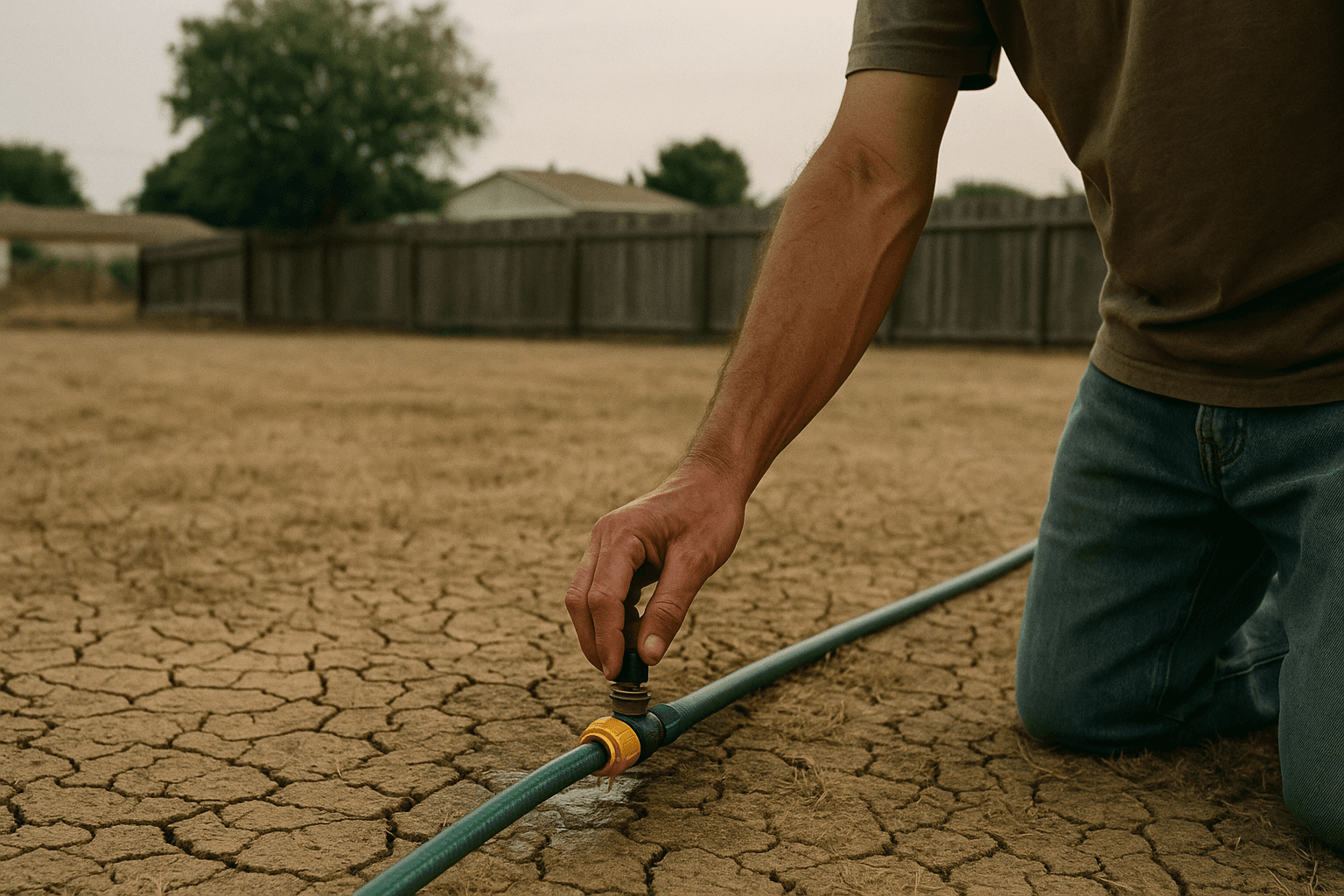
A hand adjusts a garden hose on a cracked, parched lawn under a hazy afternoon sky.

The Europe summer heatwave of 2026 drove fire weather conditions to the worst scientists have ever recorded, with 680,000 hectares burned by the end of September — the third-worst year on record. The same heat put more than half the continent under "very strong" heat stress above 38C, ruined harvests and shut power plants.

Worst fire weather on record, 680,000 hectares burned

Data published by the European Forest Fire Information System on Wednesday showed that the severity of fire weather conditions in 2026 surpassed anything scientists have previously recorded. Hot weather and widespread drought combined to let the wildfires sweep across the continent.

Only two years on the European record have seen more land burn by this point in the season:

  • •2026: 680,000 hectares burned by the end of September, the third-worst year on record
  • •2025: one million hectares burned by this time of year
  • •2022: 768,000 hectares burned

Fire smoke pushed 30% more fine particles into the air

The damage reached beyond the burned land itself. Smoke from the fires carried 30% more fine particulate matter into the air than the average of the past two decades. Smoke is described as one of the greatest environmental threats to human health.

The heat that fed the flames

An update from the EU's Copernicus climate monitoring service, released on Friday, found that surface air temperatures in western Europe from June to August ran 2.5C above the recent decadal average. The report traces the fierce temperatures to fossil fuel pollution clogging the atmosphere. Summer-like conditions began abnormally early, when a powerful heatwave in late May surprised climate scientists, and the heat continued even through September.

  • •More than half the continent fell under "very strong" heat stress — conditions that felt hotter than 38C
  • •At least 60% of western Europe faced temperatures above 30C on 17 days, compared with 11 days in 2003 and seven in 2025
  • •The heat produced a record-breaking 13 days of "very strong" heat stress across western Europe

Where heat, drought and fire struck together, the report found the combination proved particularly damaging. The repeated heatwaves also ruined harvests and shut power plants.

What scientists say must happen next

Samantha Burgess, a climate scientist at the European Centre for Medium-Range Weather Forecasts, said the consequences of the season reached far past temperature records:

"The consequences extended far beyond temperature records – affecting water availability, energy systems, transport, ecosystems and human health"

As the climate continues to warm, she added, events like these underscore the need to build resilience to increasingly interconnected climate risks.

Xavier Rodó, who leads the climate and health programme at ISGlobal, a Spanish research institute, and was not involved in the report, said that, frankly, after the summer the continent has just had, there is little new to say. In his view, the growing number and intensity of extreme weather events points to unprecedented changes in the European climate, with records broken locally, regionally and continentally.

Doctors and climate scientists have called on governments to stop burning fossil fuels, shade buildings and green cities to stave off the heat, and to install air conditioning in hospitals, schools and care homes.

The findings arrive as an El Niño of unprecedented strength lifts global temperatures and supercharges violent weather from South America to Australia. The sea warming pattern has broken the temperature record months before its expected peak at the end of the year, and it is expected to cause almost half a million extra heat-related deaths by February. In Europe, its effects are felt mostly indirectly, through higher food prices and inflation.

Friday, Oct 2, 2026

english

World

• Analysis

Europe summer heatwave: fire weather worst on record as 680,000 hectares burn

The Europe summer heatwave of 2026 drove fire weather conditions to the worst scientists have ever recorded, with 680,000 hectares burned by the end of September — the third-worst year on record. The same heat put more than half the continent under "very strong" heat stress above 38C, ruined harvests and shut power plants.

By Haut Monde Post

Oct 2, 2026 • 4 Min Read

A hand adjusts a garden hose on a cracked, parched lawn under a hazy afternoon sky.

The Europe summer heatwave of 2026 drove fire weather conditions to the worst scientists have ever recorded, with 680,000 hectares burned by the end of September — the third-worst year on record. The same heat put more than half the continent under "very strong" heat stress above 38C, ruined harvests and shut power plants.

Worst fire weather on record, 680,000 hectares burned

Data published by the European Forest Fire Information System on Wednesday showed that the severity of fire weather conditions in 2026 surpassed anything scientists have previously recorded. Hot weather and widespread drought combined to let the wildfires sweep across the continent.

Only two years on the European record have seen more land burn by this point in the season:

  • •2026: 680,000 hectares burned by the end of September, the third-worst year on record
  • •2025: one million hectares burned by this time of year
  • •2022: 768,000 hectares burned

Fire smoke pushed 30% more fine particles into the air

The damage reached beyond the burned land itself. Smoke from the fires carried 30% more fine particulate matter into the air than the average of the past two decades. Smoke is described as one of the greatest environmental threats to human health.

The heat that fed the flames

An update from the EU's Copernicus climate monitoring service, released on Friday, found that surface air temperatures in western Europe from June to August ran 2.5C above the recent decadal average. The report traces the fierce temperatures to fossil fuel pollution clogging the atmosphere. Summer-like conditions began abnormally early, when a powerful heatwave in late May surprised climate scientists, and the heat continued even through September.

  • •More than half the continent fell under "very strong" heat stress — conditions that felt hotter than 38C
  • •At least 60% of western Europe faced temperatures above 30C on 17 days, compared with 11 days in 2003 and seven in 2025
  • •The heat produced a record-breaking 13 days of "very strong" heat stress across western Europe

Where heat, drought and fire struck together, the report found the combination proved particularly damaging. The repeated heatwaves also ruined harvests and shut power plants.

What scientists say must happen next

Samantha Burgess, a climate scientist at the European Centre for Medium-Range Weather Forecasts, said the consequences of the season reached far past temperature records:

"The consequences extended far beyond temperature records – affecting water availability, energy systems, transport, ecosystems and human health"

As the climate continues to warm, she added, events like these underscore the need to build resilience to increasingly interconnected climate risks.

Xavier Rodó, who leads the climate and health programme at ISGlobal, a Spanish research institute, and was not involved in the report, said that, frankly, after the summer the continent has just had, there is little new to say. In his view, the growing number and intensity of extreme weather events points to unprecedented changes in the European climate, with records broken locally, regionally and continentally.

Doctors and climate scientists have called on governments to stop burning fossil fuels, shade buildings and green cities to stave off the heat, and to install air conditioning in hospitals, schools and care homes.

The findings arrive as an El Niño of unprecedented strength lifts global temperatures and supercharges violent weather from South America to Australia. The sea warming pattern has broken the temperature record months before its expected peak at the end of the year, and it is expected to cause almost half a million extra heat-related deaths by February. In Europe, its effects are felt mostly indirectly, through higher food prices and inflation.

Friday, Oct 2, 2026

english

World

• Analysis

Europe summer heatwave: fire weather worst on record as 680,000 hectares burn

The Europe summer heatwave of 2026 drove fire weather conditions to the worst scientists have ever recorded, with 680,000 hectares burned by the end of September — the third-worst year on record. The same heat put more than half the continent under "very strong" heat stress above 38C, ruined harvests and shut power plants.

By Haut Monde Post

Oct 2, 2026 • 4 Min Read

A hand adjusts a garden hose on a cracked, parched lawn under a hazy afternoon sky.

The Europe summer heatwave of 2026 drove fire weather conditions to the worst scientists have ever recorded, with 680,000 hectares burned by the end of September — the third-worst year on record. The same heat put more than half the continent under "very strong" heat stress above 38C, ruined harvests and shut power plants.

Worst fire weather on record, 680,000 hectares burned

Data published by the European Forest Fire Information System on Wednesday showed that the severity of fire weather conditions in 2026 surpassed anything scientists have previously recorded. Hot weather and widespread drought combined to let the wildfires sweep across the continent.

Only two years on the European record have seen more land burn by this point in the season:

  • •2026: 680,000 hectares burned by the end of September, the third-worst year on record
  • •2025: one million hectares burned by this time of year
  • •2022: 768,000 hectares burned

Fire smoke pushed 30% more fine particles into the air

The damage reached beyond the burned land itself. Smoke from the fires carried 30% more fine particulate matter into the air than the average of the past two decades. Smoke is described as one of the greatest environmental threats to human health.

The heat that fed the flames

An update from the EU's Copernicus climate monitoring service, released on Friday, found that surface air temperatures in western Europe from June to August ran 2.5C above the recent decadal average. The report traces the fierce temperatures to fossil fuel pollution clogging the atmosphere. Summer-like conditions began abnormally early, when a powerful heatwave in late May surprised climate scientists, and the heat continued even through September.

  • •More than half the continent fell under "very strong" heat stress — conditions that felt hotter than 38C
  • •At least 60% of western Europe faced temperatures above 30C on 17 days, compared with 11 days in 2003 and seven in 2025
  • •The heat produced a record-breaking 13 days of "very strong" heat stress across western Europe

Where heat, drought and fire struck together, the report found the combination proved particularly damaging. The repeated heatwaves also ruined harvests and shut power plants.

What scientists say must happen next

Samantha Burgess, a climate scientist at the European Centre for Medium-Range Weather Forecasts, said the consequences of the season reached far past temperature records:

"The consequences extended far beyond temperature records – affecting water availability, energy systems, transport, ecosystems and human health"

As the climate continues to warm, she added, events like these underscore the need to build resilience to increasingly interconnected climate risks.

Xavier Rodó, who leads the climate and health programme at ISGlobal, a Spanish research institute, and was not involved in the report, said that, frankly, after the summer the continent has just had, there is little new to say. In his view, the growing number and intensity of extreme weather events points to unprecedented changes in the European climate, with records broken locally, regionally and continentally.

Doctors and climate scientists have called on governments to stop burning fossil fuels, shade buildings and green cities to stave off the heat, and to install air conditioning in hospitals, schools and care homes.

The findings arrive as an El Niño of unprecedented strength lifts global temperatures and supercharges violent weather from South America to Australia. The sea warming pattern has broken the temperature record months before its expected peak at the end of the year, and it is expected to cause almost half a million extra heat-related deaths by February. In Europe, its effects are felt mostly indirectly, through higher food prices and inflation.