World
• Analysis
Europe Summer Heat Stress: Record 52% of Continent Exposed, EU Monitor Says
Europe summer heat stress reached a record extent in 2026, with 52 percent of the continent exposed to intense levels during an exceptionally hot summer, the EU's climate monitor Copernicus said on Friday — a season that was Europe's third warmest on record and the hottest for western Europe.
By Haut Monde Post
• October 2, 2026
• 2 Min Read
A season of stacked records
Samantha Burgess, climate lead at the European Centre for Medium-Range Weather Forecasts (ECMWF), which operates Copernicus, said "the heat was not only remarkable for its intensity, but also for its geographical extent". At a media briefing, she noted that four of Europe's top 10 heatwaves fell in this single summer, while August 2003 remains the most severe ever recorded in Europe. Several countries reported all-time temperature highs. What set the summer apart, Burgess said, was the way its extremes arrived together.
"it was not a single record. It was the way that multiple records appeared together across the climate system"
What 'very strong' heat stress means
The record share of the continent refers to a specific point on Copernicus's scale. The monitor classes heat stress as "very strong" once temperatures feel hotter than 38C. A far larger area crossed the lower "strong" level, and it did so on more days than any season before has measured.
- •A record 52 percent of Europe faced "very strong" heat stress, with feels-like temperatures above 38C
- •Around 80 percent saw "strong" heat stress — feels-like temperatures of more than 32C — on a record 41 days by the end of the season
- •Heat stress sets in when the body's natural cooling systems are overwhelmed, bringing symptoms that range from dizziness and headaches to organ failure and death
From excess deaths to shrinking rivers
Heatwaves fuelled by climate change began unusually early in the spring across Europe, the world's fastest-warming continent, breaking temperature records and causing tens of thousands of excess deaths. Burgess said summer 2026 demonstrated how heat stress is becoming both more widespread and more persistent, and that it is the leading cause of weather-related mortality globally.
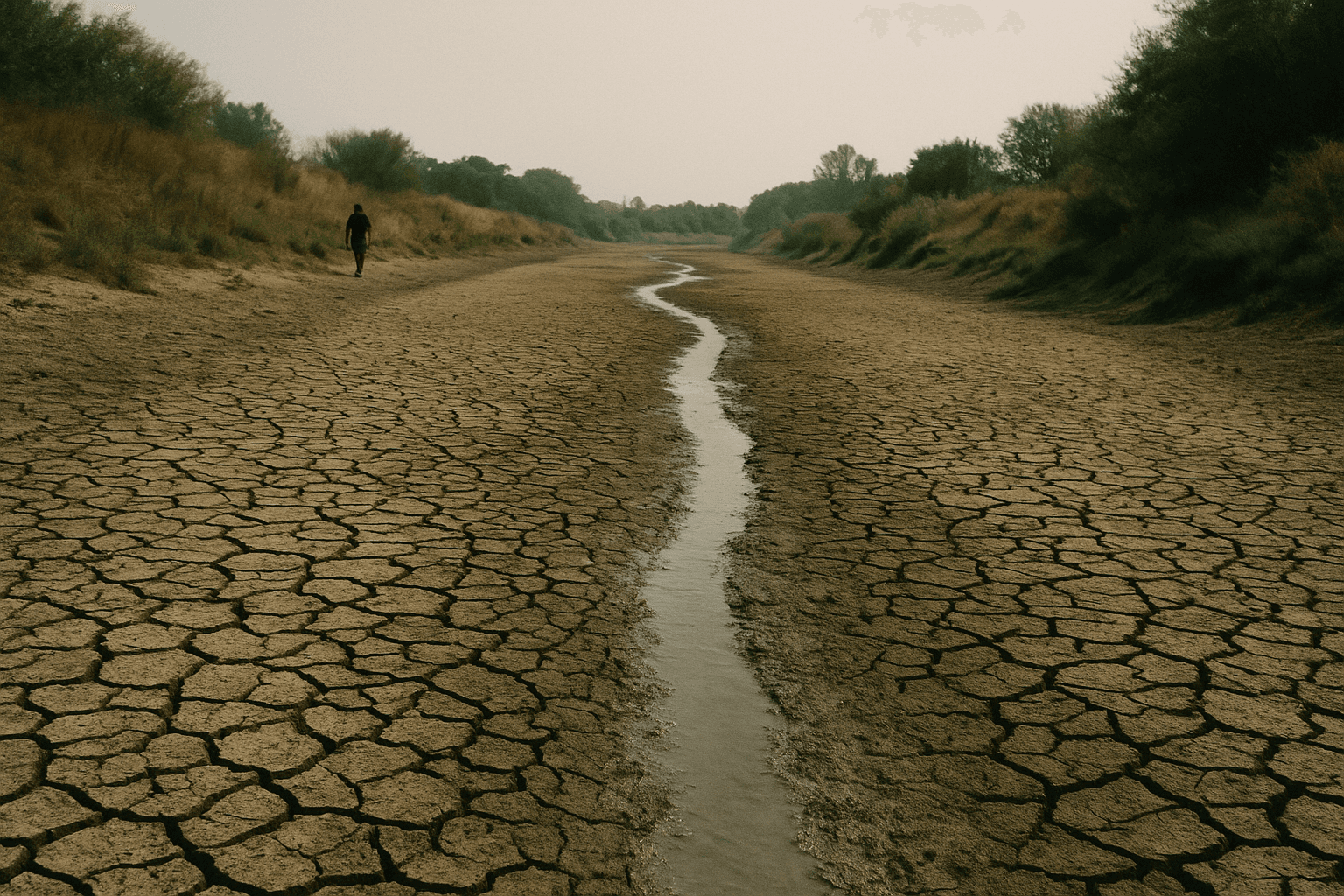
- •Dry conditions brought the lowest river flows since records began in 1992, according to Copernicus, disrupting freight transport and putting pressure on irrigation, nuclear reactor cooling and hydropower
- •Drought conditions have been increasing in Europe over the last 45 years
By the end of August, Burgess said, drought affected almost half of Europe. Copernicus released the assessment on Friday.